
Small-Game Hunting
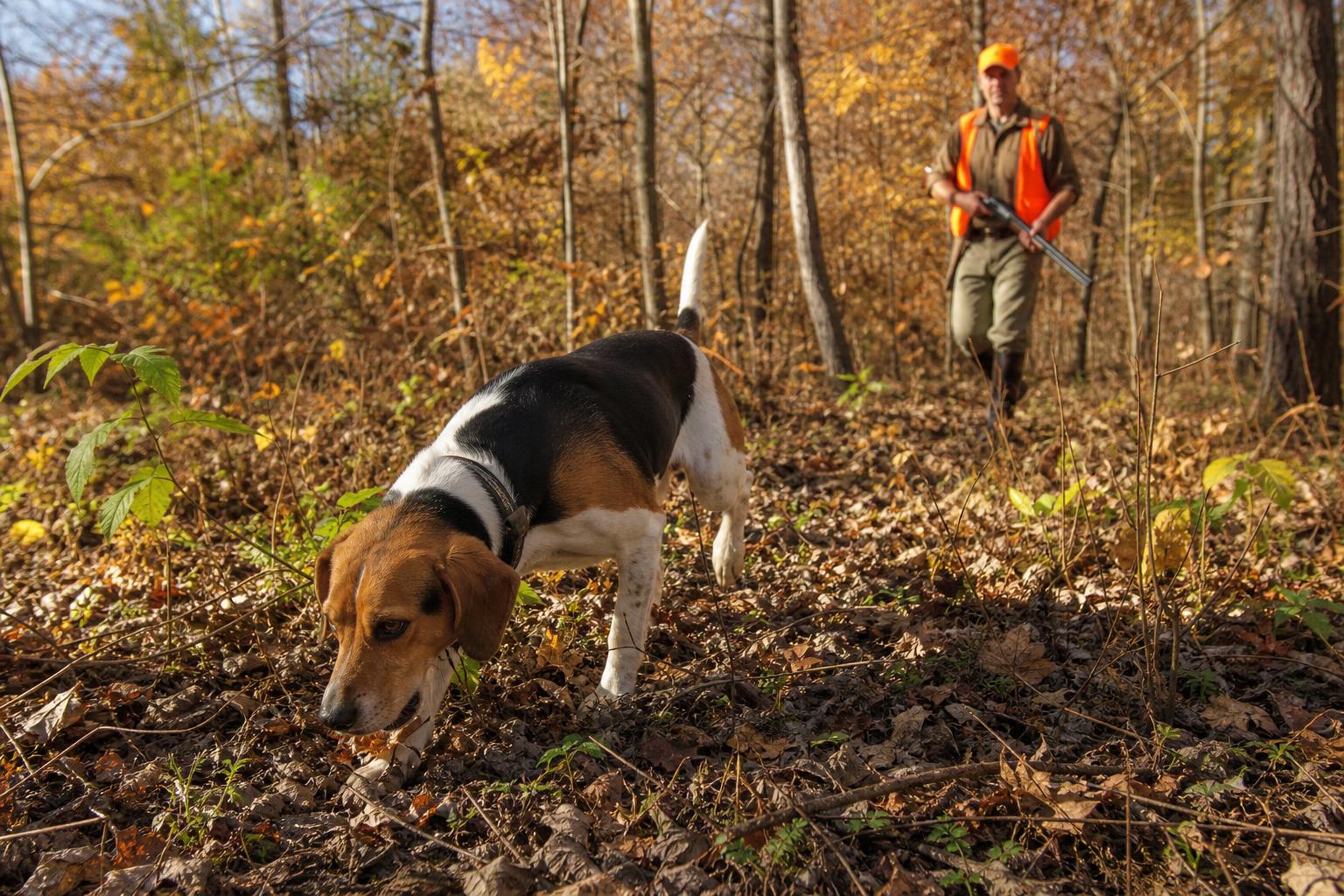
Small-game hunting is a broad category that includes pursuing animals like rabbits, squirrels, upland birds in some contexts, and other smaller quarry depending on region and regulations. It’s often one of the most accessible ways people learn hunting traditions because it can be done close to home and with relatively simple gear. Dogs are common partners in small-game hunting because they can locate animals in thick cover, track scent through complex terrain, and retrieve game that would otherwise be lost. The experience can range from the music of hounds running rabbits, to a terrier working for vermin, to a versatile dog retrieving downed game—different styles tied together by the scale and habitat of the quarry.
Dog roles vary by game and method. Rabbit hunting often uses small hounds that locate, jump, and circle rabbits while the hunter positions for a shot. Squirrel hunting commonly uses cur and feist types that hunt by sight and scent, tree squirrels, and hold them with barking until the hunter arrives. Terriers may be used for vermin control and ground quarry in some contexts. In all cases, the dog’s training matters. A dog that ranges too far can push game out of the area. A dog that is under-controlled can create unsafe shot situations. Good small-game dogs have reliable recall or handling systems, a clear job they understand, and enough composure to work close to humans with firearms.
Because small game often lives in dense cover, tracking and recovery can be a large part of the work. A wounded rabbit can disappear quickly in briars. A squirrel can fall into leaf litter and vanish. Dogs trained to track and retrieve reduce waste and make hunting more humane. Many hunters also value dogs that can handle varied scent conditions—frost, rain, wind, dry leaves—and stay persistent without getting frantic. Handlers learn to read their dogs, manage pace, and make decisions about when to slow down and when to let the dog work. Safety and land access matter as well; small-game hunting is often done in mixed-use areas where boundaries and awareness are important.
Small-game hunting remains popular because it is honest, active, and deeply connected to dogs’ natural skills. It can be social and family-friendly, and it often emphasizes the chase and the dog work as much as the harvest. When done responsibly, it teaches patience, marksmanship, and respect for the animal. With a good dog, it also becomes a partnership sport: the dog finds, tracks, or trees; the handler supports and makes safe choices; and the result is a clean recovery. In a catalog sense, it functions well as an umbrella label, but the richness is in the specific style—hounds, tree dogs, terriers, and versatile dogs each bring a different flavor to the same general goal.