
Scent Work/Nosework
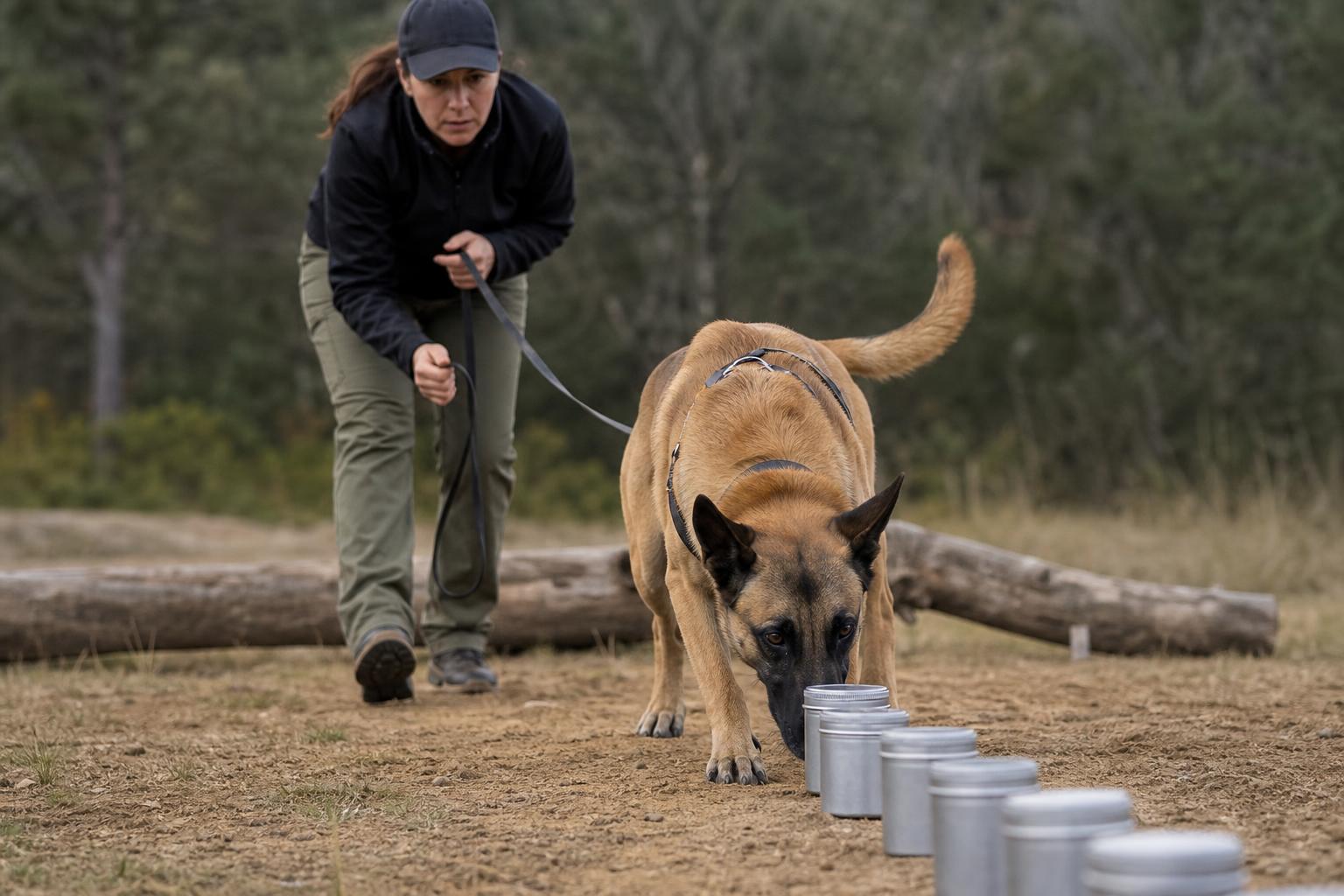
Scent work and nosework are activities where a dog learns to search for a specific odor and communicate when it has located the source. People love it because it taps into a dog’s natural strengths: curiosity, problem-solving, and that extraordinary sense of smell. In sport settings, the odors are standardized and the searches are set up in containers, interiors, exteriors, or vehicles. In practical settings, the same learning principles can support detection tasks like finding wildlife scat, invasive species, bed bugs, or other target odors. The common thread is that the dog becomes an active partner—hunting with purpose, not waiting for the handler to point at the answer.
Training often begins with making the target odor valuable. The dog learns that finding that smell predicts reward, and very quickly the dog starts offering behavior that says, “It’s here.” The indication can be a sit, a down, a stare, a nose freeze, or a scratch depending on the rules and the goals. Good trainers choose an indication that is clear and safe for the environment. Then they build search skills: how to work systematically, how to stay in odor, how to handle odor movement caused by airflow, and how to return to the handler when the search area is clear. A lot of the handler’s job is learning to trust the dog. Humans want to direct. But odor is invisible, and dogs perceive it differently. The handler learns to read subtle changes—breathing, tail tempo, head snaps, pacing—that signal odor.
As the dog improves, setups become more realistic. Hides get elevated. Odor gets hidden in seams. Search spaces get larger and more distracting. The dog learns persistence without frustration. The handler learns leash handling and search strategy without micromanaging. Many teams also teach “blank rooms,” so the dog doesn’t invent an indication to get paid. That honesty is critical. In good training, the dog is rewarded for accurate finds and not rewarded for guesses. The dog learns that it can be wrong and keep trying, which builds confidence and reduces stress. Sessions remain short and successful, because success builds desire.
Scent work tends to create a dog that is calmer in daily life. It’s mentally tiring in a healthy way. It also gives busy, high-drive dogs a job that doesn’t require pounding joints like high-impact sports. The dog’s confidence grows, because the dog is allowed to solve problems. And the handler’s confidence grows, because they learn to observe rather than control. When people say, “My dog lights up during nosework,” they’re not exaggerating. You can see it: the dog becomes purposeful, engaged, and proud. That’s the magic of letting a dog do what it was built to do—use its nose—and turning that instinct into a structured, rewarding partnership.