
Akita
Basics
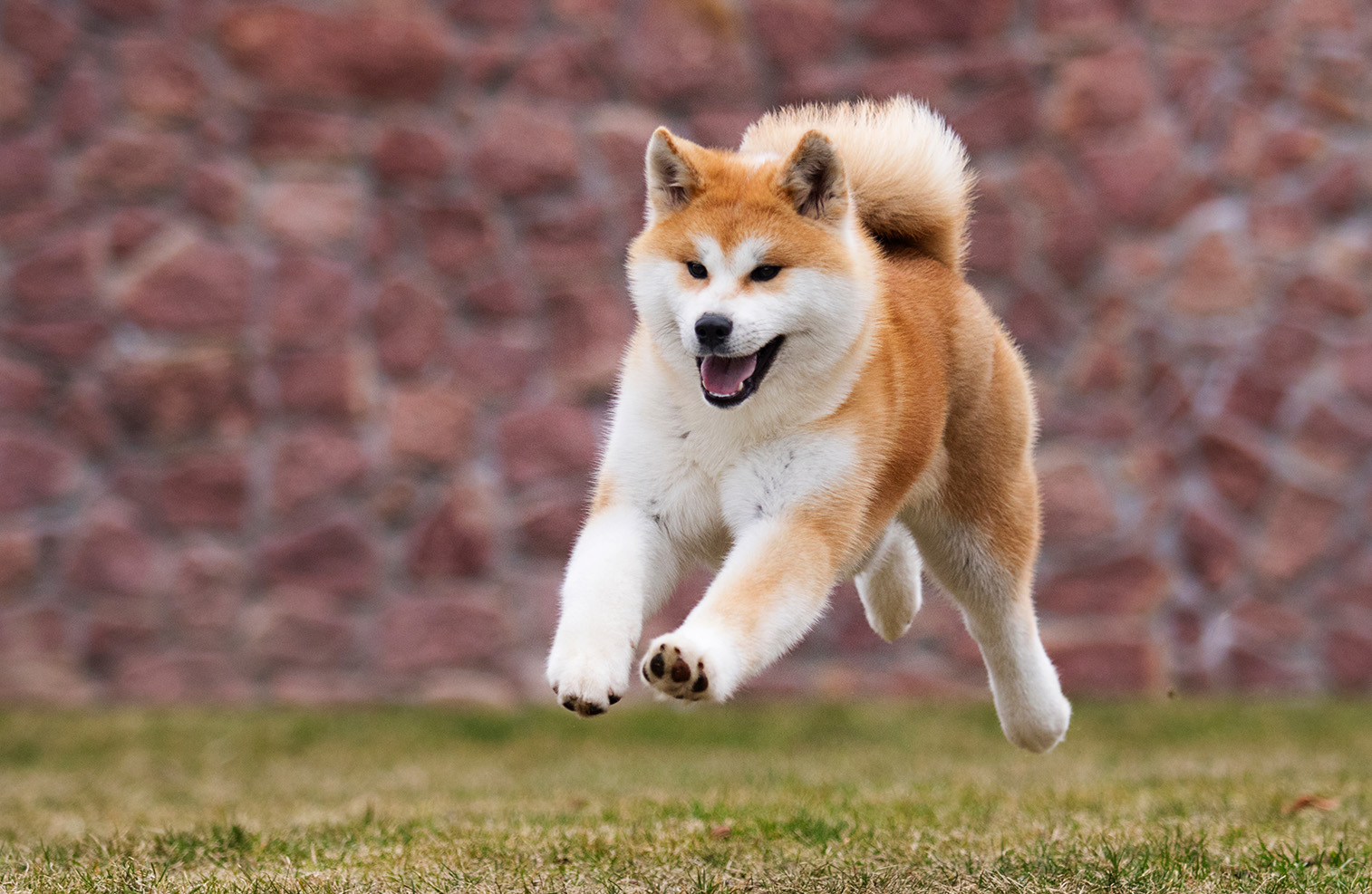
The Akita is a large spitz-type dog from northern Japan with a long cultural history as a guardian and hunting companion. In modern settings, Akitas are most often kept as companions and family guardians, known for loyalty and a calm, self-possessed presence.
They are typically best suited to owners who appreciate a strong, independent dog and who can provide structure, early socialization, and consistent management. Because size and power are part of the package, thoughtful training is important from puppyhood.
Description
The Akita is a large, powerful, and noble dog breed originating from Japan, where it was traditionally used for hunting large game such as bears, boars, and deer. Known for its loyalty, courage, and strong protective instincts, the Akita has a dignified presence and is highly regarded as a family guardian.
Physically, the Akita is a well-muscled dog with a broad head, erect ears, and a thick double coat that can come in various colors, including white, brindle, and a range of solid colors like red or black. Their bushy tails curl over their backs, further adding to their majestic appearance.
Akitas are intelligent and independent, which can sometimes make them a challenge to train, as they may be stubborn or aloof with strangers. However, they are generally very loyal to their families and protective of their loved ones. Early socialization and consistent, positive reinforcement are important for managing their temperament.
While Akitas are often good with children and can form close bonds with their family members, they may not always get along well with other animals, especially smaller dogs or pets. This breed has a strong prey drive and may be territorial, so supervision is advised in multi-pet households.
Due to their size and strength, Akitas require regular exercise to stay healthy and content, but they are typically calm and composed when indoors. Overall, the Akita is a devoted and courageous companion for experienced dog owners who can provide them with proper training, socialization, and care.
History
The Akita is a noble and ancient breed that originated in Japan, specifically in the Akita Prefecture on the island of Honshu. Its history dates back more than a thousand years, where it was revered as a versatile working dog, hunter, and loyal companion. Initially bred to hunt large game such as bears, wild boars, and deer, the Akita's strength, courage, and resilience were highly valued in the rugged mountainous terrain of its homeland. The breed's historical roots are closely tied to Japan's feudal era, during which it was often associated with the samurai class and considered a symbol of loyalty and protection.
During the 17th century, the Akita was further developed under the patronage of the ruling shogunate, who sought to refine the breed's size, strength, and temperament. Akitas were highly prized and often owned exclusively by nobility. They were trained not only as hunters but also as guard dogs and companions for Japanese aristocrats. The breed was so esteemed that special ceremonies were held to mark important moments in an Akita's life, and ownership was considered a sign of prestige.
The Akita faced challenges during the early 20th century, particularly during World War II, when many dogs were either conscripted for military use or euthanized due to food shortages. To preserve the breed, some breeders secretly crossbred Akitas with other dogs, including German Shepherds, to ensure their survival. After the war, efforts to restore the Akita's original traits intensified, particularly with the establishment of preservation programs in Japan. Around the same time, Akitas were introduced to the United States, most famously by Helen Keller, who brought the first Akita to America in 1937 as a gift from the Japanese government.
Today, two distinct strains of Akitas exist: the Japanese Akita Inu, which retains the breed's traditional appearance and is recognized for its fox-like features, and the American Akita, which is larger and more robust, reflecting its mixed lineage. Both versions of the breed are celebrated for their loyalty, dignity, and protective nature. The Akita remains a cherished symbol of devotion and strength, epitomized by the story of Hachikō, the faithful Akita who waited for his deceased owner at a Tokyo train station for nearly a decade, capturing the hearts of people worldwide.
Appearance
Akitas are large, solidly built dogs with a broad head, small triangular ears, and a curled tail typical of spitz breeds. The FCI standard describes a well-balanced, substantial dog with a noble, dignified expression and a tough constitution.
They have a double coat with a harsh, straight outer coat and a soft, dense undercoat. Commonly described colors include red fawn, sesame, brindle, and white; non-white coats typically feature “urajiro” (whitish areas on the underside and parts of the face/body) in standards that use that term.
Colors
• Brindle
• Red
• Red Fawn
• Sesame
• White
Health
Akitas are generally considered hardy, but, as with many large breeds, certain conditions are commonly reported in the population. These may include orthopedic concerns (such as hip issues) and immune, skin, or thyroid-related problems in some lines.
A veterinarian can advise on appropriate screening, diet, and preventive care. If purchasing from a breeder, ask what health testing is done and what conditions have occurred in relatives; for rescues, ask about any known history and current veterinary findings.
Care
Akitas need routine exercise (walks plus opportunities for structured play), but many are not “hyper” dogs when their daily needs are met. Mental stimulation—training games, scent work, and calm enrichment—helps keep them engaged.
Coat care is seasonal: they shed year-round but often “blow coat” heavily at times, requiring more brushing. Regular nail trims, ear checks, and dental care round out the basics, and weight management is important to reduce stress on joints.
Training
Training should start early and focus on practical, real-world manners: leash skills, impulse control, calm greetings, and cooperative handling. Akitas often respond well to clear, fair boundaries and positive reinforcement, but they can resist heavy-handed methods.
Because of their size and strength, it’s wise to make training a lifestyle rather than a short puppy phase. Many owners benefit from structured classes with a trainer who has experience with spitz/guardian-type breeds and who emphasizes calm, non-confrontational techniques.
Temperament
Akitas are often described as composed, faithful, and receptive, with a steady, watchful demeanor. Many are reserved with strangers and strongly bonded to their household.
Because they can be discerning and strong-willed, early socialization is important—especially polite greetings, comfort around handling, and calm behavior in public. As with many guardian-leaning breeds, clear rules and consistent leadership help prevent pushy or overprotective behavior.
Lifestyle
Akitas often do best in homes that value routine and calm structure. Many are affectionate with family but reserved with strangers, so they may not be a “party dog” that enjoys constant new social contact.
They typically require secure fencing and sensible management on walks. If you have other dogs, especially of the same sex, careful introductions and ongoing supervision may be needed depending on the individuals involved.
Ownership
Prospective owners should look for stable temperament and strong early socialization. Because Akitas mature into powerful adults, it’s important to choose a source (breeder or rescue) that can talk candidly about behavior, handling, and household fit.
Plan for ongoing training, high-quality basic equipment (sturdy leash/collar or harness), and regular coat maintenance—especially during heavy shedding periods. Setting house rules early and keeping them consistent is one of the simplest ways to set an Akita up for success.
Interesting Facts
• The Akita is a large spitz-type breed originating from northern Japan.
• Breed standards emphasize a substantial, well-balanced dog with a noble, dignified expression and curled tail.
• Akitas have a double coat and often shed heavily during seasonal coat changes.
• Commonly recognized colors include red fawn, sesame, brindle, and white (standards vary by registry).
• The breed is widely associated with loyalty in Japanese culture (e.g., the story of Hachikō).