
American Foxhound
Basics
The American Foxhound is a colonial-era American scenthound developed for fox hunting, built for stamina and a strong “follow your nose” work ethic. They’re typically good-natured and social with other dogs, but their hound independence means they’re not the best fit for a very sedentary household.
As a pack hound, many American Foxhounds are happiest with plenty of daily exercise, secure space to run, and patient owners who understand scent-driven wandering and vocalizing can be part of the package.
Description
The American Foxhound is a breed of hound known for its endurance, speed, and strong hunting instincts. Originally developed in the United States in the 18th century, it was bred primarily for fox hunting due to its ability to track and chase game over long distances. The breed is a true working dog and is well-regarded for its stamina and determination, making it a favorite among hunters.
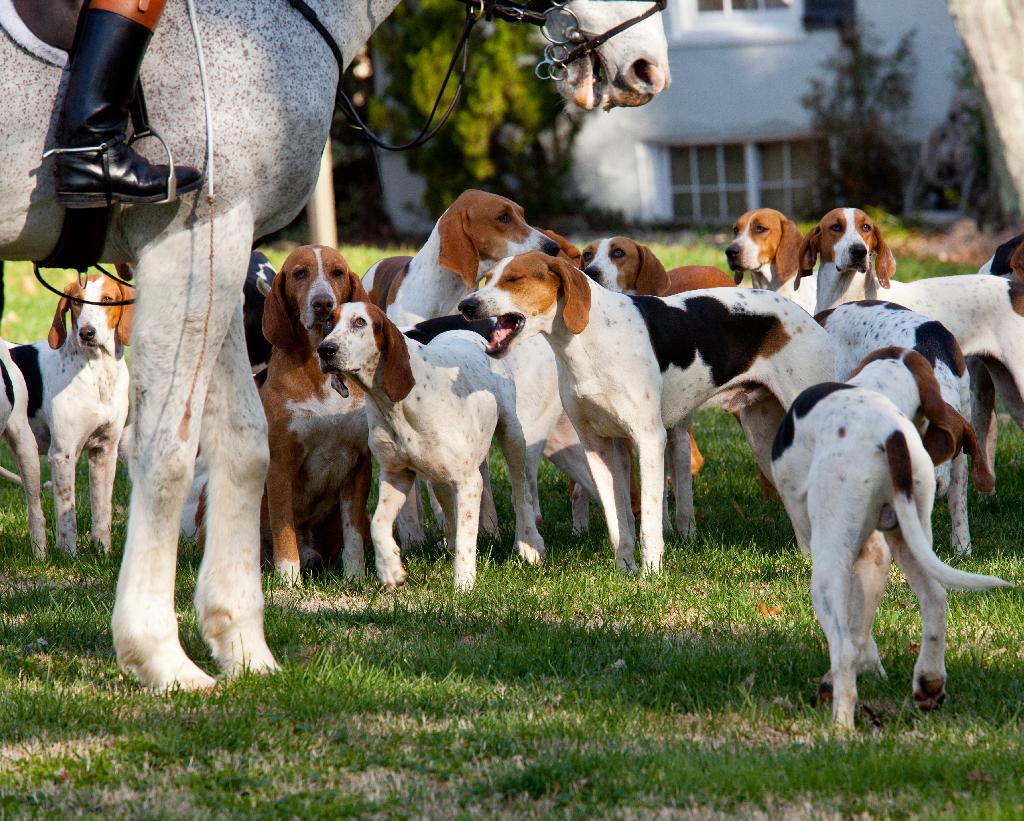
Physically, the American Foxhound is a medium-sized dog with a lean, athletic build. It has a short, dense coat that comes in various colors, including tri-color (black, white, and tan), as well as red and white or lemon (light tan and white). The breed’s long ears, straight back, and graceful yet powerful frame contribute to its elegant yet purposeful appearance.
American Foxhounds are known for their calm and friendly temperament. While they are naturally independent and have strong prey drives, they are also social and tend to get along well with other dogs, animals, and people when properly socialized. They are generally not aggressive but can be reserved or aloof with strangers. With their high energy levels, they require ample exercise and stimulation to stay content, which makes them better suited to active households or owners who enjoy outdoor activities.
Training the American Foxhound can be a challenge, as the breed’s strong hunting instincts can sometimes make it more focused on scenting or following its own interests rather than obedience commands. However, with patience, consistency, and positive reinforcement, the breed can be trained effectively.
Due to their love of exercise, American Foxhounds need plenty of space to roam and thrive in environments where they can be kept active. They are well-suited for experienced dog owners who can provide the right amount of physical and mental stimulation. With the right care, the American Foxhound can be a loyal, loving companion for those who appreciate its hardworking nature and active lifestyle.
History
The American Foxhound is one of the oldest American dog breeds, with a history that dates back to the early colonial period. Its origins can be traced to the English Foxhounds brought to the American colonies in the mid-17th century. In 1650, Robert Brooke, a colonial settler, brought a pack of English Foxhounds to Maryland, laying the foundation for the breed’s development. Over the next two centuries, American breeders refined the breed to adapt it to the unique terrain and hunting needs of the new country.
In the 18th century, French influence further shaped the breed. In 1785, the Marquis de Lafayette gifted George Washington several French hounds, which were subsequently bred with the existing English Foxhounds. The result was a dog with heightened stamina, a keener sense of smell, and a more melodious voice, traits that proved advantageous in the vast forests and rugged landscapes of America. Washington, a passionate fox hunter, played a significant role in developing the American Foxhound, maintaining detailed records of his breeding practices.
The American Foxhound was bred primarily for fox hunting and is renowned for its exceptional speed, endurance, and ability to work in packs. Unlike its English counterpart, which was designed for the slower, more structured hunts of the British countryside, the American Foxhound was built for the faster-paced, more demanding hunts of the American wilderness. The breed’s leaner frame, longer legs, and lighter build reflect this adaptation.
Officially recognized by the American Kennel Club (AKC) in 1886, the American Foxhound remains a symbol of American sporting tradition. While it is less commonly seen as a family pet due to its high energy and independent nature, it retains a devoted following among hunters and enthusiasts. The breed’s history is intertwined with the story of America’s development, and it stands as a testament to the resourcefulness and ingenuity of early American breeders. Today, the American Foxhound is celebrated both as a working dog and as a piece of the nation’s heritage.
Appearance
American Foxhounds are lean, athletic hounds with long legs and a balanced, efficient outline designed for endurance rather than bulk. The head is fairly long with large, soft hound eyes; the ears are long and set low, hanging close to the head.
The coat is short-to-medium, close, and hard, and any color is acceptable. In UKC’s standard, typical height ranges are about 22–25 inches for males and 21–24 inches for females at the withers.
Colors
• Black & White w/ Tick
• Black and Tan
• Blue
• Brown & White
• Brown White & Tan
• Red
• Tan
• Tricolored
• White
• White & Cream
Health
American Foxhounds are generally athletic, durable dogs, but like many medium-large hounds they benefit from keeping a lean body condition and building fitness gradually. Discuss breed-relevant screening and joint/orthopedic monitoring with your veterinarian, especially for active dogs.
Pay attention to ear health (long, low-set ears can trap moisture) and to safe exercise in hot weather—hounds will keep going if a scent is compelling.
Care
Plan on substantial daily exercise—long walks, runs, hiking, or structured play—plus time to sniff. Because they’ll follow their nose, a fenced yard and leash reliability are important; off-leash time should be in safely enclosed areas.
Coat care is simple: a weekly brush and occasional bath usually suffice. Keep ears clean and dry, trim nails regularly, and use dental care (brushing + veterinary cleanings as needed).
Training
Training works best with short, upbeat sessions and high-value rewards, especially around distractions. A strong recall can be challenging for scent hounds; many owners focus on a reliable “check-in” and use long lines for safe practice.
Early socialization, polite leash walking, and calm handling are key. Scent games and tracking-style activities can channel natural instincts into cooperative work.
Temperament
Most American Foxhounds are friendly, even-tempered dogs who generally do well with other dogs and can be gentle with respectful children. They were bred to hunt with drive and persistence, so they can be single-minded when a scent is interesting.
They’re often less “people-pleasing” than some sporting breeds: expect a sweet nature paired with independence. Many will bay or “sing” when excited, bored, or following scent, so noise tolerance matters.
Lifestyle
This breed tends to thrive in active homes with space, predictable outlets for exercise, and owners who enjoy the outdoors. Apartment life can work only if you’re committed to lots of daily activity and you’ve managed the breed’s tendency to vocalize.
They often do best when they have canine companionship or frequent social opportunities. Mental enrichment that involves sniffing and problem-solving helps prevent boredom.
Ownership
Choose an American Foxhound if you want an endurance athlete with a kind temperament and you’re comfortable managing a scent hound’s independence. Secure fencing is non‑negotiable, and many households do best with structured exercise rather than casual backyard time.
Look for breeders who prioritize stable temperaments and sound structure, and who can show health practices and working/field suitability. Rescue groups can also be a great route for experienced hound owners.
Interesting Facts
• Developed in colonial America from English Foxhound foundations, with later influences from other hounds (UKC history).
• Recognized by the United Kennel Club in 1905 (UKC).
• Short, hard coat; any color is acceptable (UKC).
• Typical height: males ~22–25 in; females ~21–24 in at the withers (UKC).
• A social pack hound that may bay when excited or on scent (AKC/UKC).