American Pit Bull Terrier
Basics
The American Pit Bull Terrier (APBT) is a medium-sized, athletic ‘bull-and-terrier’ breed developed in the 1800s from bulldog-and-terrier crosses and later refined in the United States. In modern times, well-bred APBTs are best described as versatile canine athletes—confident, energetic, and eager to engage in structured activities with their people.
This is a powerful, driven dog that does best with an experienced, hands-on owner. Clear rules, daily exercise, and ongoing training aren’t optional; they’re what allow the breed’s enthusiasm and intensity to show up as stable, enjoyable companionship.
Description
The American Pit Bull Terrier, often simply referred to as the Pit Bull, is a strong, muscular, and highly energetic dog breed known for its loyalty, courage, and affectionate nature. Originally bred for dog fighting and later as a farm dog and family companion, the Pit Bull has a controversial reputation, but when raised in a loving and responsible environment, it can be an incredibly devoted and well-mannered pet.
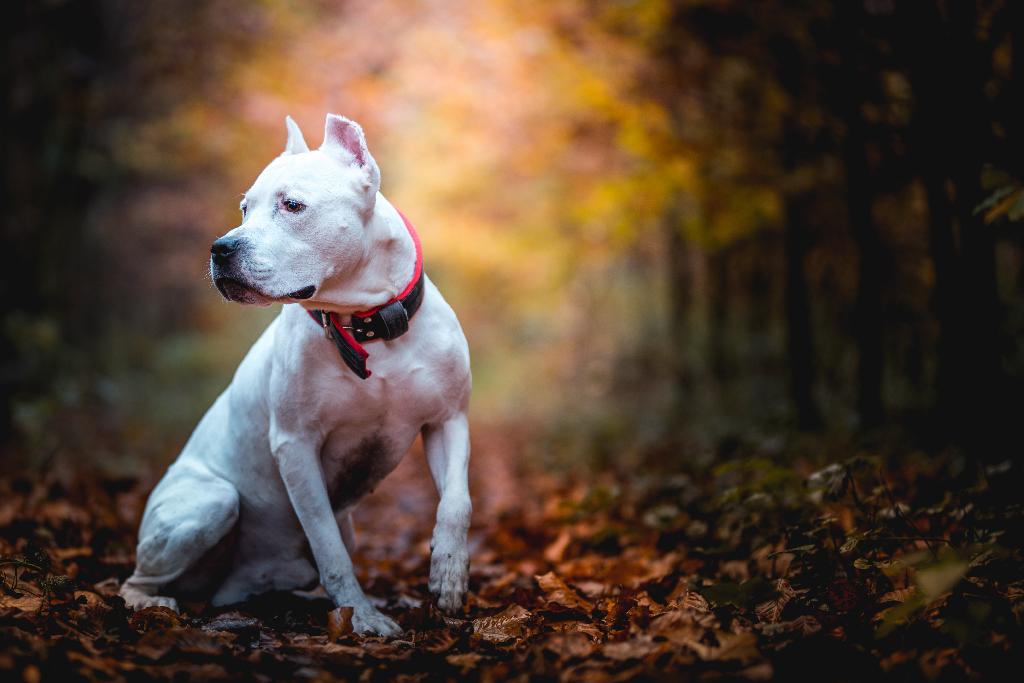
Physically, the American Pit Bull Terrier is a medium-sized dog with a stocky build and a powerful, athletic frame. It has a short, smooth coat that comes in a variety of colors, including black, blue, brindle, fawn, and more. Its muscular appearance, strong jaw, and broad chest give it a striking and confident presence.
Known for its high energy and playful personality, the American Pit Bull Terrier thrives in active households where it can get plenty of exercise and mental stimulation. It is a highly intelligent breed, making it responsive to training when approached with positive reinforcement and consistency. However, it can also be stubborn at times, so early socialization and obedience training are essential to ensuring good behavior.
Despite its fierce reputation, the American Pit Bull Terrier is generally affectionate and gentle, particularly with family members, including children. Many Pit Bulls form strong bonds with their owners and are known to be great companions. They can also be good with other pets if raised with them from a young age, though they may have a strong prey drive towards smaller animals.
While the American Pit Bull Terrier requires regular exercise to prevent boredom and destructive behaviors, it can adapt to various living environments, provided it receives enough physical activity and mental engagement. This breed is best suited for experienced dog owners who are prepared to invest time in training, socializing, and providing the necessary care. When raised in a loving, responsible environment, the American Pit Bull Terrier can be a loyal, friendly, and protective member of the family.
History
The American Pit Bull Terrier (APBT) has a history rooted in the 19th century, descending from English bulldogs and terriers that were bred for blood sports such as bull-baiting and bear-baiting. These activities were outlawed in Britain in the 1830s, leading to the rise of dog fighting as an underground activity. Bulldogs were crossed with various terrier breeds to create a dog with the strength of a bulldog and the agility and tenacity of a terrier. These early dogs became the ancestors of what would eventually become the American Pit Bull Terrier.
During the mid-19th century, many of these dogs were brought to the United States by immigrants, where they were further developed for different purposes. In America, the breed transitioned from its origins in blood sports to becoming a versatile working dog. Farmers and ranchers valued the breed for its strength, intelligence, and loyalty, using it for tasks such as herding livestock, hunting wild game, and guarding property. The breed also became a beloved family companion, earning the nickname "nanny dog" due to its gentle and protective nature toward children.
The term "American Pit Bull Terrier" was officially adopted in the late 19th century, with the United Kennel Club (UKC) recognizing the breed in 1898. Over time, the breed gained a reputation for its athleticism and loyalty, excelling in roles ranging from farm work to competitive dog sports. However, the breed’s association with dog fighting, which persisted illegally in some circles, has contributed to its controversial reputation in modern times.
Despite this, many American Pit Bull Terriers are loving, well-behaved companions, embodying the traits of courage, affection, and resilience for which they were originally bred. Today, advocates of the breed work to dispel misconceptions, emphasizing responsible ownership and the breed's potential as a devoted and versatile family dog. The APBT remains a symbol of strength and loyalty, with a legacy that reflects its complex and evolving relationship with humans over the centuries.
Appearance
Breed standards describe the APBT as solidly built and muscular, but never bulky—strength and athleticism with balance and agility. The body is slightly longer than tall, with a deep chest, defined musculature, and a low-set tail that tapers to a point.
The coat is short, glossy, and close. UKC describes the breed as coming in all colors and patterns except merle. Overall, the ideal dog looks like an all-around athlete: lean, conditioned, and capable of working, running, jumping, and breathing easily while exerting itself.
Colors
• Black
• Blue
• Brindle
• Brown
• Fawn
• Gray
• Grey
• Red
• Tan
• White
Health
As an athletic, short-coated breed, the APBT is commonly kept in lean, conditioned form, which supports joints and overall stamina. ADBA’s conformation guidance emphasizes an exercised, healthy presentation and notes that certain color patterns linked to health issues (such as merle and albinism) are considered serious faults.
For a puppy, the most practical health step is choosing a responsible breeder who can explain the pedigree, temperament goals, and any screening they do for heritable issues. For adult dogs, consistent veterinary care, parasite prevention, weight management, and prompt attention to skin/ear irritation or mobility changes help keep them thriving.
Care
APBT grooming needs are straightforward: a short coat that benefits from weekly brushing to remove loose hair and keep the skin and coat glossy. Nail trims, ear checks, dental care, and routine bathing as needed usually cover the basics.
Their real ‘care requirement’ is exercise and structure. Plan on daily physical outlets (brisk walks, runs, flirt pole, conditioned play) plus mental work (obedience, scent games, puzzle feeding). Secure fencing is important—many are capable climbers and determined explorers, and management prevents escapes and unwanted encounters.
Training
Training should start early and stay consistent for life. The APBT often responds very well to positive reinforcement, clear criteria, and fair boundaries; harsh methods can create frustration or avoidance in a strong dog.
Prioritize skills that keep everyone safe: leash manners, rock-solid recall games (with long-line practice), ‘leave it,’ calm greetings, and confident crate training. Because dog-dog issues can develop even in well-socialized individuals, training should include neutrality around other dogs and the owner’s ability to redirect and disengage.
Temperament
A sound APBT is typically confident, alert, and zestful—often very people-oriented and eager to please in training. In the ring and in performance sports, you’ll often see a dog that is focused, enthusiastic, and highly motivated by toys, food, and praise.
At the same time, many APBTs show some level of dog/animal aggression, which standards explicitly note as a common breed tendency. That means responsible ownership includes proactive socialization, careful management around other dogs, and avoiding situations that invite conflict. Human-directed aggression is considered uncharacteristic and undesirable.
Lifestyle
This breed usually fits best in an active household that enjoys training and structured play. APBTs often love having ‘a job’—obedience, rally, agility foundations, tracking games, weight pull-style conditioning, or simply being a reliable partner on long walks and runs.
They are rarely a good match for owners who want a low-energy, hands-off pet. Housing matters too: because management around other dogs can be important, plan for secure containment, thoughtful introductions, and the ability to separate dogs safely when needed.
Ownership
Owning an APBT responsibly means committing to training, containment, and community-minded handling. Use sturdy equipment, maintain secure fencing, and avoid off-leash situations where you can’t control greetings. Invest in early socialization, but also accept that maturity can change dog-dog dynamics and plan accordingly.
Look for breeders or rescues who prioritize stable temperament, athletic function, and owner support—not exaggerated size or appearance. A well-run rescue or ethical breeder will talk openly about drive level, management needs, and whether a particular dog is suited for homes with other pets.
Interesting Facts
- UKC was the first registry to recognize the American Pit Bull Terrier (1898).
- Developed from 19th-century bulldog-and-terrier crosses; valued for strength, athleticism, and agility.
- UKC standard allows all colors and patterns except merle.
- Breed standards describe a medium-sized, balanced athlete—muscular but not bulky.
- Many individuals show some level of dog aggression; careful socialization and management are part of responsible ownership.
- ADBA’s Heritage Conformation Standard lists an ideal conditioned show weight range of 30–75 lb and flags merle/albinism as serious faults.