
American Water Spaniel
Basics
The American Water Spaniel is a medium, all‑around gun dog developed in Wisconsin’s lake country to hunt and retrieve from both land and water. Bred to work out of small skiffs and canoes, it’s compact, athletic, and notably fond of swimming.
In the home, this breed is typically devoted and people‑focused, doing best with owners who enjoy outdoor time and can offer regular activity. It’s an uncommon breed, but prized by hunters and active families for its versatility and cheerful attitude.
Description
The American Water Spaniel is a versatile and intelligent hunting dog breed known for its keen ability to work in water and on land. Originating in the Midwest, particularly in Wisconsin, the breed was developed in the early 19th century as a companion for hunters, particularly for retrieving game from water. Its natural swimming abilities, energetic nature, and strong scenting skills make it a great working dog for waterfowl hunters, though it also excels in other types of fieldwork.
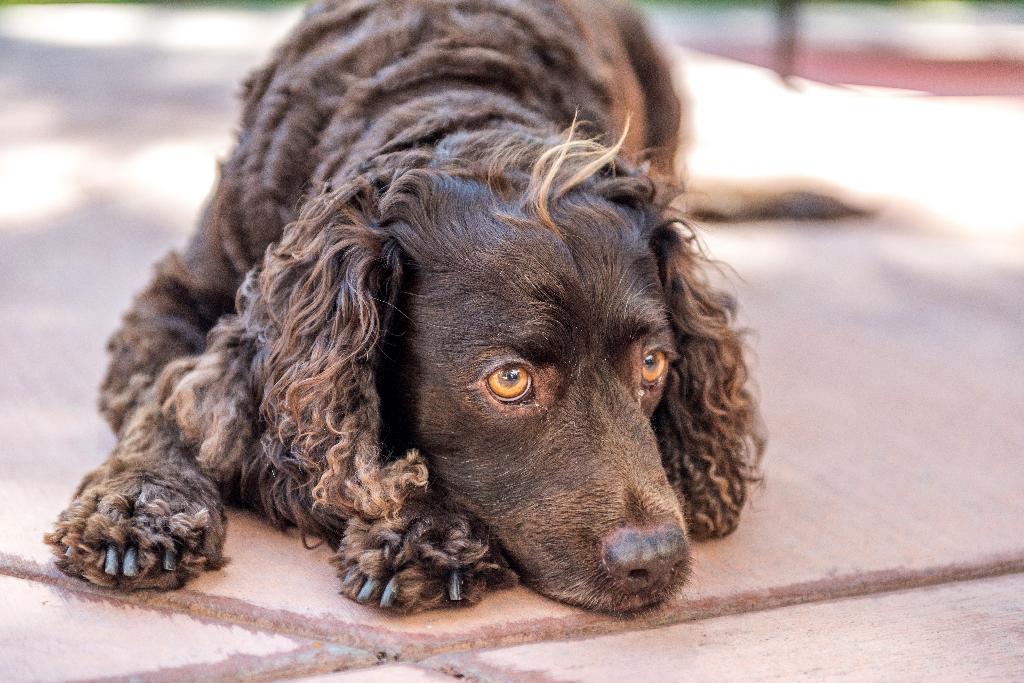
Physically, the American Water Spaniel is a medium-sized dog with a sturdy, athletic build. It has a thick, curly or wavy coat that is water-resistant, helping it stay warm and dry while working in wet conditions. The breed’s coat is usually brown or liver-colored, with some dogs also displaying lighter markings. The American Water Spaniel has a broad head, expressive eyes, and a tail that is often carried in a slight curve.
This breed is known for its intelligence, trainability, and eagerness to please, making it relatively easy to train with positive reinforcement methods. It is highly energetic and requires regular exercise to stay physically and mentally healthy. While its hunting instincts are strong, the American Water Spaniel is also an affectionate and loyal family dog that bonds closely with its owners.
The American Water Spaniel typically gets along well with children and other pets, especially when raised in a social environment. Its friendly, playful, and sometimes even mischievous nature makes it an enjoyable companion, though it does require sufficient mental and physical stimulation to prevent boredom.
Because of its working background, the American Water Spaniel is best suited for active families or individuals who can provide ample exercise and room to roam. Its intelligence and high energy mean that it thrives in environments where it is engaged in activities like retrieving, running, or swimming. With proper care, training, and attention, the American Water Spaniel makes a loyal, hardworking, and loving companion.
History
The American Water Spaniel is a uniquely American breed, developed primarily in the Upper Midwest, particularly in the Great Lakes region, during the mid-to-late 19th century. Its exact ancestry is not fully documented, but it’s widely believed to be a blend of various spaniel and retriever breeds, potentially including the Irish Water Spaniel, Curly-Coated Retriever, and some type of early field spaniel. Hunters in the area needed a versatile gun dog—one that was adept at both flushing and retrieving birds, could handle cold water, and was compact enough to fit easily into small boats or canoes. Through selective breeding, these requirements led to a dog with a distinctive curly or wavy coat that offered protection against frigid water and rough conditions.
Over time, the American Water Spaniel became a reliable and prized companion for sportsmen, prized for its stamina, adaptability, and friendly disposition. Despite its working prowess, however, the breed remained relatively unknown outside its geographic home. Early owners didn’t necessarily care about formal recognition; they were more interested in a practical hunting partner than a show dog. By the early 20th century, a concerted effort emerged to preserve and promote the breed. One figure often credited with raising awareness is Dr. F.J. Pfeifer from Wisconsin, who bred and sold these dogs and played a significant role in garnering official recognition for the American Water Spaniel.
In 1920, the United Kennel Club (UKC) recognized the American Water Spaniel, followed by the Field Dog Stud Book. The American Kennel Club (AKC) granted full recognition to the breed in 1940, placing it in the Sporting Group. Despite these milestones, the American Water Spaniel has always remained relatively rare, even in modern times. Recognized as the state dog of Wisconsin in 1985, it continues to maintain a loyal following, especially among dedicated hunters and enthusiasts who value its dual role as a capable working dog and affectionate family companion.
Today, the American Water Spaniel’s numbers remain small but stable. Known for its intelligence, eagerness to please, and moderate size, the breed can excel in activities like agility, obedience, and, of course, waterfowl retrieval. With careful breeding programs and devoted owners, this true American original lives on, serving as both a link to America’s sporting heritage and a delightful companion for those who appreciate a loyal, versatile gun dog.
Appearance
The American Water Spaniel is a sturdy, moderate-sized dog, typically about 15–18 inches tall and roughly 25–45 pounds. The overall outline is compact and workmanlike, built for endurance rather than extreme speed or bulk.
Its hallmark is a water-resistant coat that’s either closely curled or has a “marcel” (wavy) pattern, usually in solid liver or dark chocolate, with a small amount of white sometimes seen on toes or chest. Long, curl-covered ears, a lively “rocker-shaped” tail, and webbed feet reflect its water-retrieving heritage.
Colors
• Brown
• Chocolate
• Liver
Health
A well-bred American Water Spaniel is generally a hardy working dog, but owners should still shop carefully and keep up with preventive care. Ask breeders what health screenings they do and what issues they track in their lines.
Because this breed often swims and works in brush, practical health habits matter: maintain a lean body condition to protect joints, keep nails and paw pads in good shape, and routinely check/clean/dry ears to reduce the risk of irritation or infections.
Care
Plan on daily exercise that uses both body and brain: brisk walks, retrieving games, scent work, and (if available) swimming. Without enough outlets, an energetic spaniel can invent its own entertainment.
Coat care is manageable but real—regular brushing/combing helps prevent matting and keeps the curls/waves tidy. Because they love water, ears and skin deserve extra attention: dry the ears after swims, check for debris, and bathe as needed after muddy outings.
Training
Training goes best when it’s upbeat and reward-based. Keep sessions short, varied, and purposeful—this breed responds well when it understands the “why,” especially with food, toys, and chances to retrieve as motivation.
Prioritize a reliable recall, calm leash manners, and impulse control around birds and small animals. Pair that with early socialization (people, dogs, sounds, different places) so their natural watchfulness doesn’t turn into unnecessary suspicion.
Temperament
This is an upbeat, eager worker with a strong desire to have a job—retrieving, swimming, hiking, or structured play. Many are affectionate with their people and thrive on being included in daily life.
As a hunting spaniel, the American Water Spaniel can be a bit independent: sometimes reserved with strangers and occasionally stubborn if training gets repetitive. Early socialization and consistent, fair rules help them stay confident and mannerly.
Lifestyle
This breed fits best with an active routine and a family that enjoys doing things together—weekend trails, training classes, field work, or frequent outdoor play. They’re happiest when they can alternate exercise with close time at home.
They can adapt to smaller spaces if their activity needs are met, but they are not a low-energy “set it and forget it” companion. Access to safe water play is a bonus, and puzzle toys or scent games help on days when weather limits outdoor time.
Ownership
Choose an American Water Spaniel if you want a versatile companion and you’re ready to provide daily exercise, consistent training, and the kind of togetherness spaniels tend to crave. They do best with owners who enjoy teaching skills and setting clear household routines.
When looking for a puppy or adult dog, prioritize temperament and responsible breeding over rarity. Ask about socialization, hunting/working ability (if that matters to you), and what support the breeder or rescue provides as the dog matures.
Interesting Facts
• Developed in Wisconsin’s Wolf and Fox River Valley region as a compact dog that could hunt from small canoes and skiffs.
• Recognized by the United Kennel Club (UKC) in 1920; later recognized by the American Kennel Club (AKC).
• Medium-sized: typically about 15–18 inches tall and roughly 25–45 pounds.
• Coat is water resistant and curly or wavy (“marcel”), usually solid liver or dark chocolate; a little white on toes/chest may be seen.
• Webbed feet and a strong love of swimming make it a natural water retriever.