
Barbet
Basics
The Barbet is an old French water-dog breed, recognized for its rustic look and its dense curly coat. Historically, the Barbet worked closely with people as a versatile helper—especially around water—retrieving and assisting hunters.
Today, many Barbets are kept as active companions who still love swimming and outdoor time. They tend to do best with owners who enjoy training, like having a dog “in the mix” of family life, and can provide regular exercise year-round.
Description
The Barbet is a cheerful, friendly, and versatile water dog breed known for its distinctive curly coat and excellent swimming abilities. Originating in France, the Barbet has a long history as a hunting and retrieving dog, particularly in waterfowl hunting, where its skills as a water retriever were highly valued. The breed is known for its strong work ethic, intelligence, and affectionate nature.
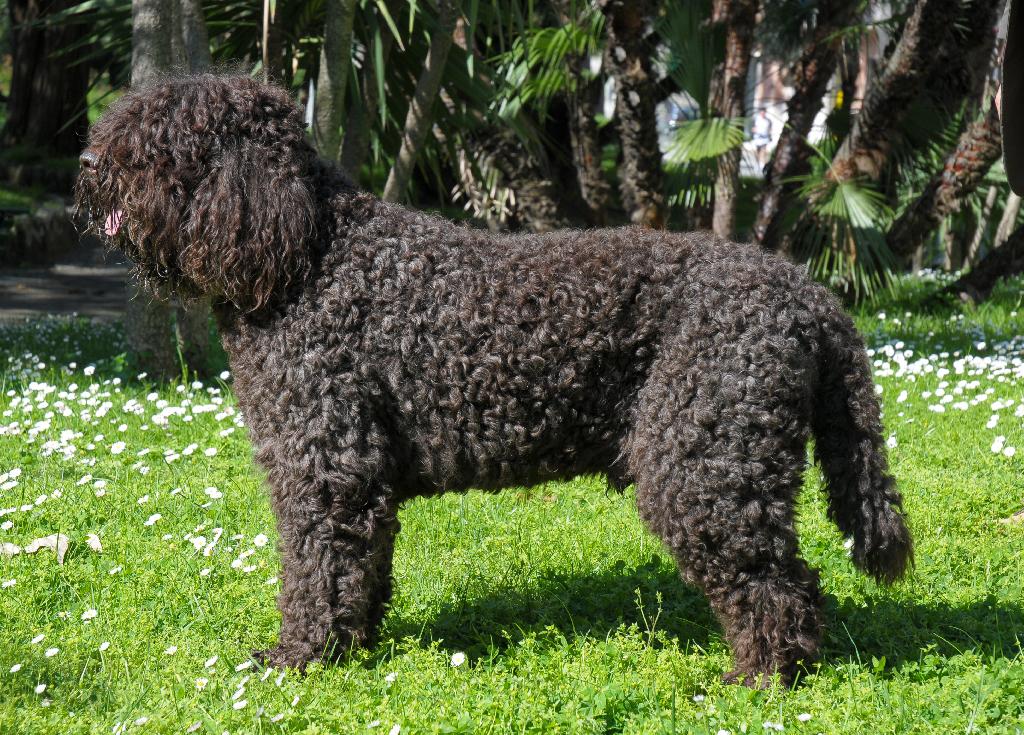
Physically, the Barbet is a medium-sized dog with a sturdy, athletic build. It has a dense, curly coat that is water-resistant, which helps it stay warm and dry while working in wet conditions. The breed’s coat comes in various colors, including black, brown, fawn, and more, and requires regular grooming to prevent matting. Its face is often characterized by a beard and mustache, adding to its distinctive look. The Barbet’s expressive eyes and gentle expression contribute to its friendly demeanor.
The Barbet is known for its intelligence and eagerness to please, making it highly trainable and responsive to commands. It thrives in environments where it is mentally and physically stimulated and can excel in activities like obedience, agility, and hunting. The breed is generally friendly and social, making it a good fit for families, including those with children and other pets. Its outgoing nature and love of human interaction mean it enjoys being part of family life and is often very affectionate with its owners.
While the Barbet is adaptable and can live in various environments, it does require regular exercise and mental challenges to stay happy and healthy. Its thick coat also demands consistent grooming to prevent tangling and matting. As an active, loving, and intelligent breed, the Barbet makes an excellent companion for families or individuals who are committed to providing it with the necessary attention and care. With proper training and regular exercise, the Barbet is a loyal, fun, and well-mannered dog that is sure to be a cherished member of the family.
History
The Barbet is a rare French water dog with a history tracing back several centuries. Its name comes from the French word *barbe*, meaning “beard,” which refers to the breed’s distinctive facial hair. Historically, the Barbet was used by hunters and fishermen to retrieve waterfowl from lakes, rivers, and marshes, thanks to its thick, curly coat that provided insulation against cold water. Early references to the Barbet appear in French literature and art dating as far back as the 16th century. The breed became particularly popular among European nobility for its keen retrieving instincts and friendly disposition, and some historians believe that the Barbet contributed to the development of other water-related dog breeds, including the Poodle and the Portuguese Water Dog.
During the 18th and 19th centuries, the Barbet was a familiar sight in French wetlands, where it excelled at flushing and retrieving game in challenging, swampy terrain. However, the breed’s working role diminished with changes in hunting practices and the draining of many marshlands. Additionally, events like the World Wars further disrupted the population of many European dog breeds, including the Barbet. By the mid-20th century, the breed had become quite rare, verging on the brink of extinction.
Fortunately, a dedicated group of French breeders and enthusiasts committed themselves to saving and revitalizing the Barbet during the latter half of the 20th century. Through careful breeding programs, they aimed to preserve the breed’s original characteristics: intelligence, endurance in the water, and a distinctive curly coat. As a result of these efforts, the Barbet population slowly rebounded, and it gained increasing recognition in France and beyond. Over the past few decades, the breed has found a niche among dog fanciers who appreciate its gentle temperament, trainability, and history as a skilled water dog.
Today, while still relatively uncommon, the Barbet is recognized by several major kennel clubs worldwide, including the Société Centrale Canine (French Kennel Club) and the American Kennel Club (AKC). It has transitioned from being primarily a utilitarian hunting companion to a well-rounded family pet and show dog. The breed’s distinctive look, coupled with its warm, people-oriented personality, continues to captivate modern enthusiasts, serving as a testament to the Barbet’s enduring charm and versatility.
Appearance
Barbets are medium-sized, balanced dogs with a slightly rectangular outline and a substantial head. The breed’s signature feature is the thick, woolly coat—often wavy to curly—plus a characteristic beard (the name Barbet is tied to “barbe,” meaning beard).
In the UKC standard, the head and body are described as fully covered with long hair, with low-set ears carried close and also heavily coated. The overall impression is functional and weather-ready: built to handle cold and wet conditions without looking exaggerated.
Colors
• Black
• Brown
• Fawn
• Gray
• White
Health
The Barbet Club of America (AKC parent club) encourages breeders to complete and publicly share key health testing, including hip and elbow evaluations (OFA or PennHIP), regular eye exams by a veterinary ophthalmologist, and PRA/PRCD DNA testing. They note that Barbets are generally healthy but that hip dysplasia and eye conditions, and to a lesser extent elbow dysplasia, are known concerns.
The club also mentions that some breeders may add screening such as cardiac and thyroid testing, knee X-rays, and testing for the D-locus dilution gene. As with any breed, your best protection is choosing a breeder who tests, tracks family health history, and is transparent about results.
Care
The Barbet’s coat is beautiful but not “wash-and-wear.” Regular brushing and combing helps prevent matting close to the skin, and many owners keep a schedule of trimming or professional grooming to maintain comfort and visibility around the eyes.
Because the breed is so water-oriented, pay attention to drying after swims—especially the ears and areas where dense coat holds moisture. Routine nail, dental, and ear care plus consistent exercise are the basics that keep a Barbet comfortable and resilient.
Training
Barbets generally respond well to positive, reward-based training, especially when you keep sessions upbeat and varied. They’re often motivated by play, food, and access to what they love (like retrieving or water time), which makes it easy to build strong recall and cooperation.
Their versatility is a plus: you can channel them into obedience, retrieving games, scent work, or field-style training. Prioritize impulse control early—polite greetings, a reliable settle, and calm handling—so their friendliness doesn’t become pushiness.
Temperament
A well-bred Barbet is typically sociable and people-oriented. The UKC standard specifically calls for a dog that is not aggressive or timid, describing the breed as docile, devoted, and fond of water.
They often mature into steady, companionable dogs, but they still need engagement—especially as adolescents. Without enough activity, a Barbet can become noisy, mouthy, or busy, so calm structure (exercise, training, and downtime) is part of getting the best of their temperament.
Lifestyle
Barbets fit best in active homes that can provide daily exercise and a “job,” even if that job is structured play, training games, and long walks. They’re happiest when they can use both body and brain—retrieving, swimming, hiking, and learning new cues.
They can adapt to suburban life if their needs are met, but they’re not ideal for owners who want a low-maintenance schedule. Expect a dog that likes being close to you, participates in family routines, and benefits from regular opportunities to get wet and move.
Ownership
Because Barbets are still relatively uncommon compared with many popular breeds, finding a well-bred puppy can take patience. Favor breeders who follow parent-club guidance, publish OFA/CHIC-style results, and can show stable, social temperaments in their dogs.
Before committing, be honest about coat maintenance and time outdoors—those are the two most common surprises for new owners. If you enjoy grooming routines, training, and water-friendly adventures, the Barbet can be a deeply rewarding, versatile partner.
Interesting Facts
- A historic French water dog; artwork references go back centuries.
- Known for a dense, woolly, curly coat and a characteristic beard.
- UKC describes the breed as docile, devoted, sociable, and fond of water.
- BCA recommends core health testing: hips, elbows, ophthalmologist eye exams, and PRA/PRCD DNA testing.
- UKC recognized the Barbet on January 1, 1995.