
Basset Fauve de Bretagne
Basics
The Basset Fauve de Bretagne is a small, hardy French scenthound from Brittany, bred to work on foot and admired for drive, toughness, and surprising speed for its size. It’s a true hunting dog that can also be a warm companion in an active household.
They’re typically sociable and affectionate with their people, but outdoors they can be determined and persistent—classic hound traits that call for consistent training and safe management around scent distractions.
Description
The Basset Fauve de Bretagne is a small yet rugged French hound breed known for its distinctive fawn-colored coat and energetic personality. Originating in the Brittany region of France, it was initially bred for hunting small game, including rabbits and hares, thanks to its excellent scenting ability and stamina. The breed is an offshoot of the larger and more widely known Basset Hound, with its own unique characteristics.
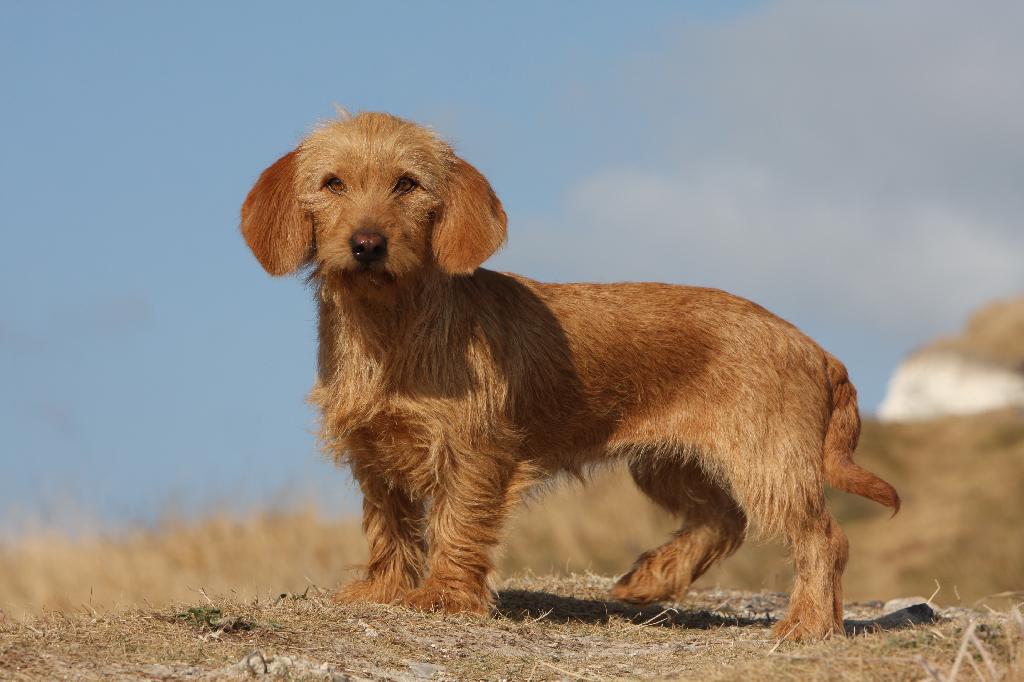
Physically, the Basset Fauve de Bretagne is a compact and muscular dog with a rough, wiry coat that is typically fawn-colored, although it may also have darker or lighter shades. The breed has a broad, expressive face, often highlighted by a bushy beard and eyebrows that give it a distinctive, almost mischievous look. Its ears are medium in size, and its body is low to the ground, typical of scent hounds, built for tracking and burrowing.
The Basset Fauve de Bretagne is known for its friendly, affectionate, and spirited temperament. While it can be reserved or independent at times, it is generally sociable, good with children, and tends to get along well with other dogs, especially if raised with them. This breed is energetic and requires regular exercise to remain happy and healthy, including daily walks and time for play. Though it is often calm indoors, the Basset Fauve de Bretagne loves outdoor activities, especially those that involve its natural hunting instincts, such as scent tracking or playing in a yard.
Training the Basset Fauve de Bretagne can be challenging due to its independent nature and strong prey drive, but with patience, consistency, and positive reinforcement, it can learn commands and behave well. Early socialization is important to ensure the breed interacts well with strangers and other animals. This breed thrives in active homes with owners who can provide plenty of exercise and stimulation.
Overall, the Basset Fauve de Bretagne is a loyal, affectionate, and playful companion with a strong hunting instinct. It is best suited for families who are prepared to meet its exercise needs and who can provide it with plenty of mental challenges and outdoor activities. With the right care and attention, the Basset Fauve de Bretagne makes a loving and energetic family dog.
History
The Basset Fauve de Bretagne is a short-legged scenthound with roots in the Brittany region of northwestern France. Its ancestors likely include larger rough-coated hounds, such as the now-extinct Grand Fauve de Bretagne. Historical accounts and artwork suggest that French hunters in the 18th and 19th centuries developed smaller, more agile versions of these hounds to flush out game like rabbits and hares in dense undergrowth. The distinctive fawn coloring (fauve in French) and coarse, wiry coat evolved as practical traits—helping the dogs blend into the terrain while offering protection against thorns and brambles.
By the late 19th century, the Basset Fauve de Bretagne had become a staple among French hunting packs, particularly prized for its tenacity and keen nose. However, like many European hunting breeds, its population suffered setbacks during the World Wars. In the mid-20th century, the breed faced a dramatic decline, and at times it verged on the brink of extinction. Fortunately, a small circle of dedicated breeders recognized the importance of preserving this unique French hound. They undertook careful breeding programs that revived the Basset Fauve de Bretagne’s numbers and stabilized its key traits.
As a result of these conservation efforts, the Basset Fauve de Bretagne began to rebound. The breed was officially recognized by the Société Centrale Canine (French Kennel Club) and later by the Fédération Cynologique Internationale (FCI). While still relatively rare outside its native country, the Basset Fauve de Bretagne today is known for its energetic, friendly nature and its prowess in the field. Enthusiasts around the world appreciate its compact size, confident demeanor, and delightful “fauve” coat, ensuring that the breed’s legacy as a hardy hunting companion endures.
Appearance
This is a compact, “ramassé” little hound with a harsh, wiry coat. The head is typical of the Breton hounds, with a keen expression and strong muzzle.
FCI lists a height range of about 32–38 cm at the withers (with a small tolerance for exceptional specimens). The coat is very rough and harsh, rather short, and the color is fawn, ranging from golden wheaten to brick red.
Colors
• Fawn
• Red
• Red Wheaten
• Wheaton
Health
The FCI standard emphasizes breeding for functional health. As an owner, prioritize keeping them fit and lean, with regular veterinary checkups and parasite prevention—especially for dogs that spend time in brush or hunting environments.
Monitor skin/coat condition (wire coat care) and ear health, and build exercise conditioning progressively.
Care
They need daily activity—walks plus play and opportunities to use their nose. A secure yard is helpful, and leash/long-line skills are important because scent hounds may roam.
Coat care involves regular brushing and occasional hand-stripping or grooming to keep the harsh texture in good condition. Check ears, trim nails, and maintain dental care routinely.
Training
Train with rewards and consistency. Keep sessions short and engaging, and practice around gradually increasing distractions. Because they can be stubborn when they catch a scent, proofing recall with long lines is a practical approach.
Early socialization and impulse-control games (wait, settle, leash manners) make life easier, especially for a lively, energetic little hound.
Temperament
FCI describes the breed as an impassioned hunter, courageous and obstinate in work, while also being sociable, affectionate, and even-tempered as a companion. SCC likewise emphasizes energy paired with rustic hardiness and a balanced companion nature.
Expect enthusiasm and curiosity; provide clear rules and regular outlets for exercise and sniffing to reduce “selective hearing.”
Lifestyle
These dogs do best in active homes that enjoy outdoors time. They can adapt to smaller spaces if they get enough daily exercise and enrichment, but a purely sedentary routine will frustrate them.
They generally enjoy family life and can do well with other dogs when properly introduced, especially given their pack-oriented working background.
Ownership
Choose this breed if you want a compact but serious hound with plenty of grit and a friendly, affectionate side. Expect to invest time in training, safe containment, and regular activity.
Look for breeders (or breed-specific rescue) who prioritize stable temperament, correct harsh coat, and sound structure for work and long-term comfort.
Interesting Facts
• FCI height: 32–38 cm (with tolerance up to +2 cm for exceptional specimens) (FCI Standard No. 36).
• Coat: very rough/harsh, rather short; never woolly or curly (FCI).
• Color: fawn from golden wheaten to brick red; a few black hairs may appear (FCI).
• Hunts a range of game including rabbit, hare, fox, roe deer, and wild boar (FCI).
• SCC describes it as energetic and hardy, and also sociable and affectionate as a companion.