
Basset Hound
Basics
The Basset Hound is a classic, low-slung scenthound originally developed for hunting on foot, combining powerful scenting ability with a steady, deliberate pace. Despite the relaxed look, it’s a true working hound with impressive endurance.
As companions, Bassets are typically friendly and affectionate, but they can be stubborn—especially if an interesting scent is involved. They do best with patient, consistent owners and a lifestyle that includes daily walks and sniffing time.
Description
The Basset Hound is a distinctive, laid-back scent hound known for its long ears, droopy eyes, and unique ability to track scents. Originating in France and later refined in England, the breed was primarily used for hunting small game, such as rabbits and hares, due to its remarkable sense of smell and strong tracking instincts. Today, the Basset Hound is popular as a companion dog, prized for its loyal and affectionate nature.
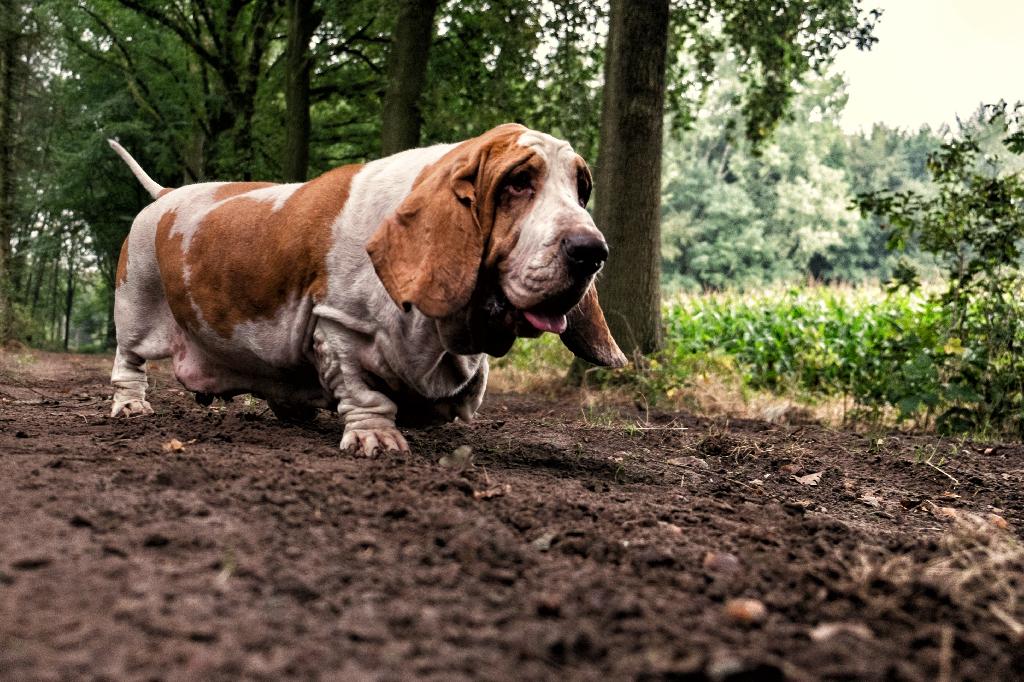
Physically, the Basset Hound is a medium-sized dog with a long, low body and short legs, which are characteristic of scent hounds bred to track game by scent. It has a dense, short coat that comes in various color combinations, typically including combinations of black, tan, and white, or lemon (light tan and white). The breed’s most prominent features are its long, drooping ears and sad, soulful eyes, which give it a melancholy but endearing expression.
The Basset Hound is known for being friendly, calm, and affectionate, making it a great family companion. It is generally good with children and other pets, and while it is usually calm indoors, it can be quite independent and stubborn, especially when following a scent trail. The breed has a strong prey drive and loves to follow interesting smells, so it’s essential to keep it on a leash or in a securely fenced area during walks or outdoor activities.
Training a Basset Hound can be a bit of a challenge due to its independent nature and sometimes selective hearing, especially when its nose is focused on a scent. However, with patience, consistency, and positive reinforcement, the Basset Hound can be trained to be well-behaved. It is important to provide the breed with early socialization to ensure it interacts well with other animals and people.
The Basset Hound is not overly energetic but does require regular exercise to maintain a healthy weight and avoid becoming overweight, as they are prone to obesity. It enjoys leisurely walks and scent-oriented activities but is also content to relax indoors with its family.
Overall, the Basset Hound is a loyal, loving, and easygoing breed that makes a wonderful companion for families, individuals, or anyone who appreciates its charming, low-key personality. With proper care, training, and exercise, the Basset Hound can be a joyful and affectionate member of the household.
History
The Basset Hound has its roots in the 16th-century French aristocracy, where “basset” comes from the French word *bas*, meaning “low.” This name aptly describes the breed’s characteristic short-legged physique, which was deliberately bred to enable slow, steady tracking of small game such as rabbits and hares through dense underbrush. Early records point to French hunting monks and noble estates crossbreeding lower-set hounds in an effort to create a dog that was methodical, highly accurate in its sense of smell, and easy for hunters on foot to follow. These short, sturdy hounds gained popularity among French nobility for their remarkable skill in pack hunts, where their calm, even temperament also shone.
The modern Basset Hound as we know it began to take shape in the 19th century. Following the French Revolution, hunting practices changed significantly and the breed’s role evolved from one primarily held by the aristocracy to a more widespread use among commoners. Around the mid-1800s, the Basset Hound caught the attention of English dog fanciers, who imported and refined the breed. Through selective breeding, early British and French lines were combined, leading to the Basset Hound’s more standardized appearance—long ears, elongated body, and incredibly keen sense of smell. The breed arrived in the United States near the end of the 19th century, where it continued to capture hearts as both a hunting companion and a lovable family pet.
By the early 20th century, kennel clubs in both Europe and America began formally recognizing the Basset Hound. Its low-slung frame and droopy, endearing features contributed to its widespread popularity in the show ring and in popular culture. One iconic example of its public appeal came in the mid-20th century when the Basset Hound was featured in advertising campaigns, solidifying its image as a gentle, easygoing companion.
Today, the Basset Hound remains celebrated for its friendly, laid-back nature and impressive tracking instincts—arguably second only to the Bloodhound in scenting ability. While many still use them for hunting, most Bassets today enjoy life as affectionate family dogs. Despite their evolution from French hunting estates to living rooms worldwide, the Basset Hound’s long-held reputation for tenacity, loyalty, and charm endures as a hallmark of the breed.
Appearance
Bassets are long-bodied with short, powerful legs and heavy bone for their size. Loose skin and very long, low-set ears are characteristic, as is a calm, serious expression.
In the UKC standard, typical height is about 13–15 inches at the withers. The coat is short, close, and smooth, and “any good hound color” is acceptable.
Colors
• Black & Brown
• Black & White
• Blue
• Blue & White
• Chocolate & White
• Closed Red & White
• Honey & White
• Lemon & White
• Open Red & White
• Red & White
• Tricolored
• White & Chocolate
Health
Bassets benefit from staying lean, because excess weight can stress their long back and joints. Work with your veterinarian on weight targets, joint comfort, and ear/skin care.
Because they’re enthusiastic scent hounds, they may overdo it on walks if allowed; build fitness gradually and avoid high-impact activities that encourage repeated jumping.
Care
Daily, moderate exercise helps keep a Basset fit and supports back and joint health—think steady walks and controlled play rather than lots of jumping. Because they follow scent, secure fencing and leash safety are important.
Grooming is relatively easy (short coat), but pay extra attention to ear cleaning, nail trims, and dental care. Keep skin folds clean and dry to prevent irritation, and maintain a healthy weight.
Training
Bassets respond best to patient, reward-based training. Short sessions, tasty treats, and consistent rules help overcome hound “selective hearing.”
Start early with leash manners, handling tolerance, and recall foundations (often using long lines). Scent games and puzzle feeding can improve focus and reduce boredom.
Temperament
UKC describes the Basset as friendly and affectionate, with a pack instinct and a deep, melodious voice, and not aggressive or timid. AKC notes they can be stubborn but are charming and endearing companions.
They tend to be social with people and other dogs, but motivation matters in training—food rewards and clear routines usually work better than repetition or pressure.
Lifestyle
They fit well with many households if their daily walks and enrichment are consistent. They’re generally more “low-key” indoors than many hounds, but they still need time to sniff and explore outside.
Bassets can be vocal and may bay, especially when bored or excited. They usually enjoy company and may not love being left alone for long stretches without enrichment.
Ownership
A Basset Hound is a great match if you want an affectionate, easygoing companion and you’re prepared for hound traits: stubbornness, scent-driven wandering, and occasional loud baying.
Choose breeders who prioritize sound movement and moderation (avoiding exaggerated heaviness), and be realistic about ongoing ear/skin maintenance and weight management.
Interesting Facts
• A tenacious scent hound with a pack instinct and a deep, melodious voice (UKC).
• Typical height: 13–15 inches at the withers (UKC).
• Short, close, smooth coat; any good hound color is acceptable (UKC).
• Originated in France and later became popular in England and beyond (UKC history).
• Often stubborn but consistently charming as a companion (AKC overview).