
Beagle-Harrier
Basics
The Beagle-Harrier is a medium-sized French scenthound developed to work in a pack on hare and other game. In outline it sits between the Beagle and the Harrier—compact enough to be quick and handy, but with more stride and substance than a typical Beagle.
Breed standards describe a balanced, agile, vigorous hound with a short, firm, well-muscled back and an ample chest for endurance work. Although uncommon outside its home country, it’s best thought of as a working hound first and a companion second.
Description
The Beagle-Harrier is a medium-sized, energetic hound breed that originated in France as a cross between the Beagle and the Harrier. This breed was developed for hunting, particularly for tracking and chasing game such as rabbits, hares, and other small to medium-sized animals. With a keen sense of smell, excellent stamina, and a friendly, social temperament, the Beagle-Harrier is well-suited for both hunting and companionship.
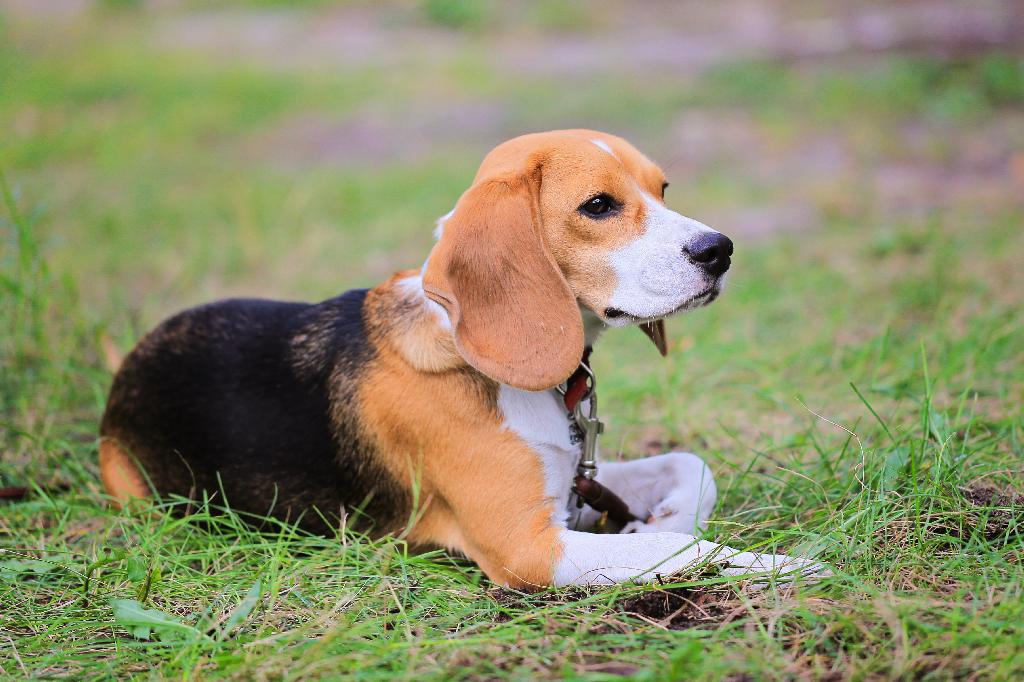
Physically, the Beagle-Harrier has a balanced and athletic build, combining the shorter stature of the Beagle with the slightly larger, more robust frame of the Harrier. It has a short, dense coat that typically comes in combinations of tan, black, and white, with a similar look to the Beagle but with a slightly longer body and legs. The Beagle-Harrier’s expressive eyes, long ears, and alert expression give it a friendly and approachable appearance.
Known for its friendly and sociable nature, the Beagle-Harrier is typically good with children, other dogs, and pets, making it an excellent family companion. It is active and playful, enjoying both physical activities like running and hiking, as well as engaging in scent-based activities that tap into its natural hunting instincts. However, like many scent hounds, the Beagle-Harrier can be independent, so early training and consistent reinforcement are important to ensure good behavior.
Training the Beagle-Harrier may require patience, as it can be somewhat stubborn and easily distracted by scents. Positive reinforcement and early socialization are key to developing a well-behaved dog. This breed thrives in active households that can provide regular exercise and stimulation, particularly in outdoor environments where it can safely explore and follow scents.
The Beagle-Harrier is a healthy, active breed that requires regular exercise to stay fit and prevent boredom. It is best suited for families, active individuals, or those with ample outdoor space, where it can exercise and explore freely. With the right training and environment, the Beagle-Harrier makes an affectionate, loyal, and lively companion.
History
The Beagle-Harrier is a French scenthound that emerged in the late 19th century, believed to be the result of crossing two established British hounds: the Beagle and the Harrier. French hunters were looking for a mid-sized dog that combined the Beagle’s compact build and keen nose with the Harrier’s stamina and agility. The goal was to create a hound adept at chasing hare, fox, and other small game across varied terrain. Over time, selective breeding refined the emerging breed’s scent-tracking abilities, speed, and endurance, culminating in a dog that was equally suited to working in packs or hunting independently.
French dog enthusiasts further developed the Beagle-Harrier in the early 20th century, standardizing its appearance and temperament. They aimed for a hound slightly larger than the Beagle but smaller than the Harrier, with a well-muscled body and an alert, inquisitive expression. Its tricolor coat, floppy ears, and friendly disposition reflect its shared ancestry, while its hunting drive and athletic build set it apart as a versatile field dog. Although primarily bred for practical work, the breed also gained some appreciation as a companion animal due to its sociable nature—though it remained far more common in rural areas than in urban settings.
The Beagle-Harrier was eventually recognized by international canine organizations, including the Fédération Cynologique Internationale (FCI), but it has remained relatively rare outside of France. Today, it continues to find use among dedicated hunters who value its robust work ethic and nose-to-the-ground tracking style. While the breed has not reached the widespread popularity of its parent breeds, the Beagle-Harrier endures as a testament to French breeding ingenuity and remains cherished by aficionados of traditional scenthounds.
Appearance
The Beagle-Harrier is a medium-proportioned hound with a strong, straight forehand and powerful hindquarters built for steady miles. The head is moderately strong with a broad skull and a stop that is not pronounced; the muzzle is about equal in length to the skull, tapering but not pointed.
Ears are set at about eye level, fairly short, and lie close to the head with a slight turn near the lower part. The coat is rather thick, flat, and not too short; typical coloration is tricolor (fawn with black “blanket” and white), with some grey-tri variants also seen.
Most adults stand about 45–50 cm (18–20 in) at the withers, giving an athletic, “small foxhound” look that matches the breed’s purpose.
Colors
• Bi-color
• Grey Tricolor
• Tricolored
Health
There isn’t as much widely published, breed-specific health data for the Beagle-Harrier as there is for more common breeds, so it’s smart to treat them like other medium athletic hounds: prioritize sound structure, healthy weight, and sensible conditioning.
When choosing a breeder (or evaluating an adult), ask about orthopedic soundness and any screening they perform, and watch for clean, efficient movement. Regular ear checks are also important for many drop-eared hounds, especially those that spend a lot of time outdoors.
A veterinarian can help tailor preventive care to the individual dog’s lifestyle (high activity, hunting, rural exposure), including parasite prevention and fitness/weight targets.
Care
Daily exercise is the foundation of Beagle-Harrier care. Plan on brisk walks, jogs, hiking, or structured scent games; a bored hound will invent its own entertainment and may become noisy or mischievous.
Grooming is generally simple: the flat coat needs only occasional brushing to remove loose hair and dirt. Keep nails trimmed for sound movement, and check ears regularly—drop ears and an outdoor lifestyle can make routine cleaning important.
Because they’re food-motivated and active, portion control and body-condition checks help keep them lean and comfortable for long-term work.
Training
Train with a calm, reward-based approach and keep sessions short and frequent. Hounds learn quickly when the payoff is clear, but repetition without purpose can lead to selective listening.
Reliable recall can be challenging: scent trails are highly reinforcing. Use long lines, fenced areas, and incremental proofing (distance, distractions, different environments) rather than expecting an off-leash recall early.
Scent work, tracking-style games, and structured “find it” exercises often turn the breed’s natural instincts into a training advantage and help channel drive in a constructive way.
Temperament
As a traditional pack scenthound, the Beagle-Harrier tends to be energetic, determined, and loyal. Many individuals are social with other dogs and enjoy group activity, but they can also be single-minded once their nose locks onto an interesting scent.
At home, expect an affectionate companion that thrives on routine, movement, and mental outlets. Like many hounds, independence is common—these dogs often weigh their options, especially outdoors.
With early socialization and clear household rules, they can be pleasant family dogs for people who enjoy an active, outdoorsy rhythm.
Lifestyle
This breed fits best with people who genuinely like being outside and can provide daily activity, not just occasional weekend outings. A securely fenced yard is helpful, but it doesn’t replace walks and “nose time.”
Beagle-Harriers typically do well with families who enjoy training games, hiking, or canine sports—anything that lets the dog move and use its scenting brain. Apartment living can work only if exercise and enrichment are consistently met.
Because they’re pack-oriented, many are happiest when they have regular interaction—either with people, other dogs, or both—rather than being left alone for long stretches.
Ownership
Beagle-Harriers are relatively rare in many regions, so ownership often starts with patience: finding a responsible source may take time and travel. Look for breeders who can explain working temperament, provide health history, and place puppies based on activity level and household fit.
Plan for management as much as training—secure fencing, leash skills, and safe outlets for scenting. If you want a dog that can be trusted off-leash in unfenced areas without significant training and supervision, a scenthound may not match your expectations.
For the right home, they’re rewarding companions: athletic, bright, and deeply engaged with the world around them.
Interesting Facts
• Origin: France; developed as a pack scenthound for hunting.
• FCI classification: Group 6 (Scenthounds and related breeds), Section 1.2 (medium-sized hounds), with working trial.
• Typical height: 45–50 cm (18–20 in) at the withers.
• Common coat: flat, rather thick; most often tricolor (fawn/black/white), with grey-tri variations noted in standards.
• UKC recognized the Beagle Harrier on January 1, 1996.
• Generally considered a rare breed outside its native region.