
Bearded Collie
Basics
The Bearded Collie (“Beardie”) is a medium-size Scottish herding and droving dog built for long days outdoors. Historically valued for working livestock in rough weather and terrain, the breed is athletic, quick, and surprisingly light on its feet despite the abundant coat.
Most Beardies thrive with an active routine and plenty of human involvement. They’re typically friendly and outgoing, but their working-dog independence means they do best with owners who enjoy training, grooming, and giving them a job to do.
Description
The Bearded Collie, often affectionately called the "Beardie," is a medium-sized herding dog known for its long, flowing coat, lively personality, and affectionate nature. Originating in Scotland, the Bearded Collie was originally used as a sheepdog, excelling in herding flocks in the rugged terrain of the Scottish Highlands. This breed is intelligent, energetic, and highly trainable, making it a popular choice for active families and dog owners who appreciate its work ethic and playful nature.
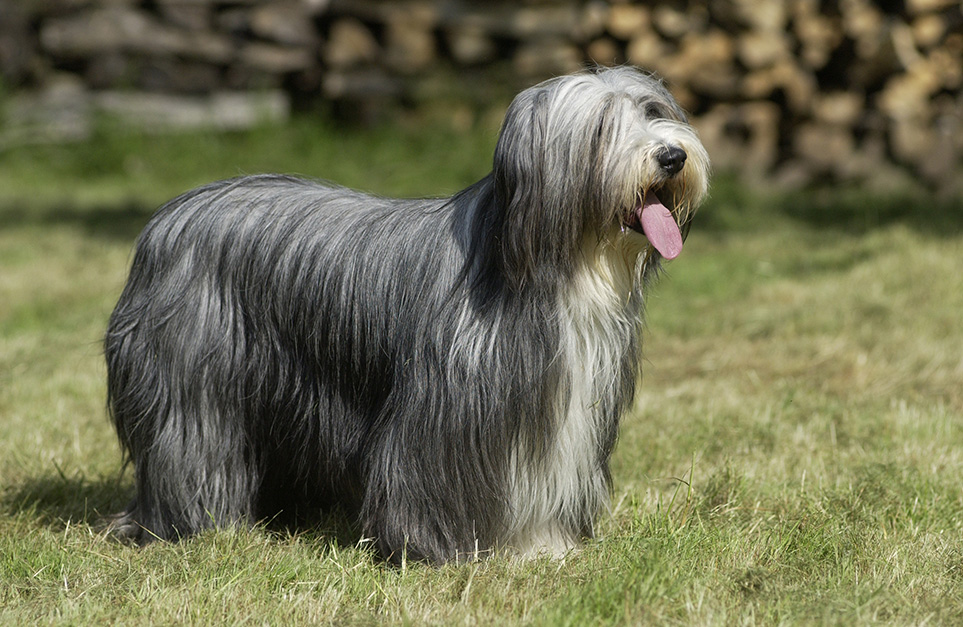
Physically, the Bearded Collie is an elegant and sturdy dog, with a distinctive long, double coat that requires regular grooming to keep it clean and free from tangles. The breed’s coat comes in a variety of colors, including gray, blue, black, and fawn, often with white markings. Its expressive eyes, long eyebrows, and bushy beard contribute to its charming, endearing look. The Bearded Collie has a balanced, athletic build that reflects its origins as a herding dog.
The Bearded Collie is known for being friendly, outgoing, and full of energy. It is typically good with children and other pets, making it an excellent family dog. This breed thrives on human interaction and is eager to please, but it can also be independent and stubborn at times, which can make training a challenge. Early socialization and consistent, positive reinforcement are essential for the Bearded Collie to grow into a well-behaved dog.
This breed requires regular exercise to keep its energetic nature in check. Daily walks, playtime, and mental stimulation are necessary to prevent boredom and ensure that the Bearded Collie remains healthy and happy. Its herding instincts may lead it to chase smaller animals or "herd" family members, so proper training and supervision are important, especially in households with young children or other pets.
Overall, the Bearded Collie is a friendly, intelligent, and active breed that thrives in homes where it receives plenty of exercise, attention, and grooming. With the right care, it makes an affectionate, loyal companion and is well-suited for families with an active lifestyle.
History
The Bearded Collie is an ancient herding breed believed to have its origins in the Scottish Highlands, where it was developed to manage sheep and cattle on rugged terrain. Early references to dogs resembling the Bearded Collie can be found in Scottish literature and artworks dating back to the 16th and 17th centuries. The breed’s ancestors may have included European herding dogs such as the Polish Lowland Sheepdog, introduced to Britain through trade or migration, and various local Highland collies. The combination of these bloodlines resulted in a hardy, intelligent dog that could withstand harsh weather and traverse mountainous landscapes while expertly herding livestock.
By the 19th century, the Bearded Collie had become a mainstay on Scottish farms, prized for its resilience, trainability, and calm demeanor around nervous sheep. Despite its reliability as a herding companion, the breed existed in relative obscurity. Few formal records were kept, and Bearded Collies were often referred to by generic names like “hairy Mou’ed Collie.” During the world wars, when the need for working dogs shifted and agricultural practices changed dramatically, the breed’s numbers dwindled.
In the mid-20th century, a renewed interest in preserving native herding dogs inspired a handful of dedicated enthusiasts to rescue the Bearded Collie from near extinction. They collected breeding stock from remote Scottish farms and began establishing pedigrees and breed standards. By the 1950s and 1960s, organized breed clubs had formed in the United Kingdom, and the Bearded Collie gained recognition from major kennel clubs. Once the breed was introduced to North America, interest in its biddable temperament and distinctive shaggy coat grew steadily.
Today, while the Bearded Collie still excels as a working herder in some circles, it is more commonly seen as a companion and show dog. Its affable personality, intelligence, and distinctive appearance continue to endear it to dog lovers around the world, ensuring that this historic Scottish herding breed remains vibrant well into the 21st century.
Appearance
Bearded Collies are long-and-lean dogs with a bright, inquisitive expression and a characteristic “beard” formed by the longer hair on the muzzle and chin. The body is slightly longer than tall, with good reach and drive for ground-covering movement.
The coat is a weather-resistant double coat: a soft undercoat and a harsh, shaggy outer coat that lies fairly flat (a slight wave can occur). Colors are commonly described as black, blue/gray, brown, or fawn, often with white markings; many dogs noticeably change shade as they mature.
Colors
• Black
• Black & Brown
• Blue
• Brown
• Fawn
• Tricolored
Health
Like many purebred dogs, Bearded Collies have a few health issues owners should understand and screen for. Reputable breeders commonly emphasize inherited eye concerns and orthopedic soundness, and many participate in health registries and recommended testing.
Work with a veterinarian on a preventive plan tailored to your dog’s age and activity level, and watch for subtle changes that can hide under a heavy coat (skin irritation, ear infections, hot spots, or weight gain). Choosing breeders who can document health testing and provide long-term support is one of the best ways to reduce avoidable risk.
Care
Plan on regular coat maintenance. The double coat can mat if neglected, so most owners use a combination of line-brushing, combing, and periodic baths/drying to keep skin and coat healthy—especially behind ears, in armpits, and where harnesses rub.
Daily care also includes routine nail trims, ear checks/cleaning, and dental hygiene. Because Beardies are active dogs, keeping them lean with appropriate diet and measured treats helps support joints and overall stamina.
Training
Start early with positive, reward-based training and clear household rules. Short, upbeat sessions fit the Beardie mindset; they’re intelligent and quick to learn, but they may test limits if training becomes repetitive or heavy-handed.
Socialization is important for shaping confident, polite adults. Many Beardies enjoy sports that channel their natural movement and problem-solving—obedience, agility, herding, rally, and scent work—and structured outlets can make everyday manners much easier.
Temperament
Beardies are often described as upbeat, affectionate, and people-oriented. Many keep a youthful, bouncy attitude well into adulthood and can be wonderfully engaged family companions when included in daily life.
As a breed developed to think and work at a distance, they can also be independent and occasionally willful. They tend to do best with calm, consistent handling and enough exercise and mental work to prevent boredom-driven behaviors like nuisance barking or over-enthusiastic herding of kids, pets, or moving objects.
Lifestyle
This breed is happiest in an active household. A Beardie typically needs daily exercise that goes beyond a quick potty walk—brisk walks, hikes, play sessions, training games, and off-leash running in secure areas are common staples.
They generally handle cool and wet conditions well thanks to the protective coat, but they still need shade, water, and sensible limits in heat and humidity. Because they bond closely with their people, they’re usually a poor fit for homes where they’re left alone for long hours with little interaction.
Ownership
Owning a Bearded Collie is a commitment to both activity and grooming. If you enjoy hands-on coat care, training, and including your dog in adventures, the breed can be an exceptionally fun, affectionate companion.
Before bringing one home, meet adult Beardies, talk with breed clubs, and look for breeders or rescues who prioritize temperament and health testing. Plan for ongoing costs associated with grooming tools/appointments, quality food, training classes, and veterinary care throughout a long, active life.
Interesting Facts
• Origin: Scotland; developed as a herding and droving dog.
• Build: medium-sized, slightly longer than tall, with a lively, ground-covering gait.
• Coat: double coat with a harsh, shaggy outer layer; needs regular brushing to prevent mats.
• “Beardie” look: distinctive beard and eyebrows that frame a soft, expressive face.
• Color: commonly black, blue/gray, brown, or fawn with possible white markings; coat shade often changes with maturity.