
Bedlington Terrier
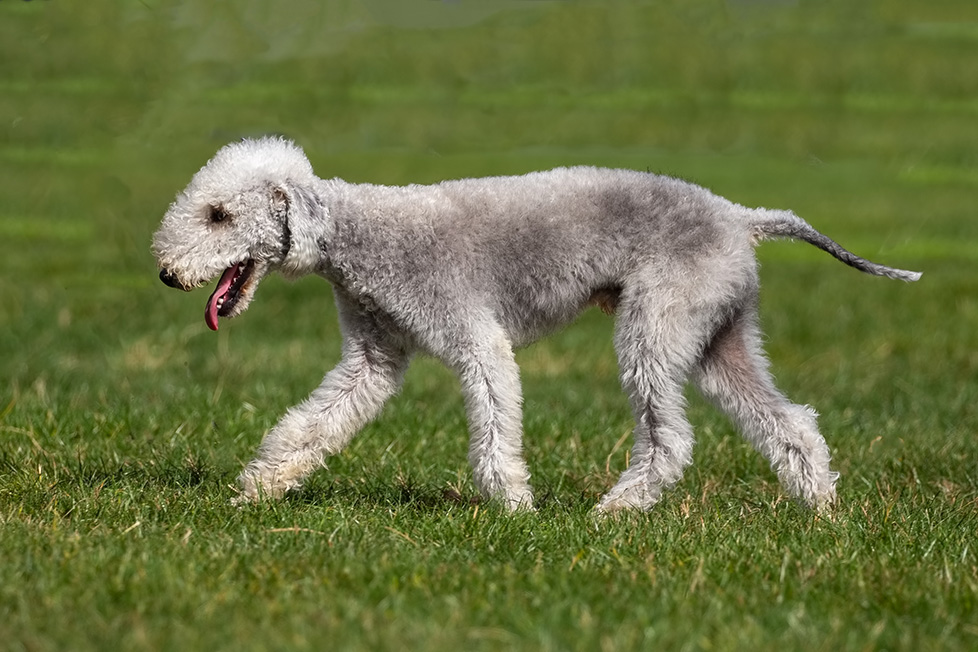
Basics
The Bedlington Terrier is a graceful, racy terrier best known for its lamb-like outline—but underneath the soft look is a true vermin-hunting dog with speed, stamina, and plenty of personality. The breed takes its name from the Northumberland mining town of Bedlington in England, where it gained local fame before spreading more widely.
Today, Bedlingtons are often described as genial housemates and versatile athletes: happy to share the couch, but also ready for brisk walks, training, and dog sports. They tend to do best with owners who enjoy an engaged, “do things with me” companion rather than a purely low-effort pet.
Description
The Bedlington Terrier is a distinctive and historic terrier breed originating in northern England, particularly in the mining regions of Northumberland. Though often recognized for its unique, lamb-like appearance, the Bedlington was originally bred as a tough and versatile working dog. Early Bedlingtons were used by miners and hunters to pursue vermin, rabbits, and even larger quarry such as fox and badger, proving that its refined look hides a surprisingly hard and capable terrier.
Beneath its arched back and curly coat lies a fast, agile, and determined hunter. The Bedlington Terrier combines the speed and flexibility of a sighthound with classic terrier grit, allowing it to work both above ground and below. Historically, the breed was prized for its ability to go to ground, dispatch vermin, and excel in match races and informal coursing competitions, making it a true multi-purpose working terrier of its era.
In temperament, the Bedlington is known for being affectionate and loyal with its family while retaining strong guarding and hunting instincts. It is typically less confrontational than some terrier breeds but remains confident, alert, and courageous when challenged. Proper socialization and training help channel its intelligence and independence into a well-mannered companion, while still preserving its natural drive.
Today, the Bedlington Terrier is more commonly seen in the show ring or as a companion dog, but it remains capable of performance work such as earthdog trials, agility, and lure coursing. Its history as a rugged working terrier is an important part of the breed’s identity, reminding those familiar with it that behind the elegant silhouette is a dog built for speed, endurance, and determination.
History
The Bedlington Terrier’s history traces back to the late 18th and early 19th centuries in Northumberland, England, near the mining town of Bedlington. Early versions of the breed were known by names such as the Rothbury Terrier and were kept by miners, poachers, and hunters who needed a small but fearless dog capable of tackling vermin and game in rough terrain. These early dogs were valued far more for their working ability than their appearance.
Bedlingtons were bred to be versatile hunters, excelling both above and below ground. They were used to pursue rats, rabbits, foxes, and badgers, and were also known to participate in coursing and match racing. Crosses with Whippets and possibly Dandie Dinmont Terriers contributed to their distinctive speed, arched outline, and endurance, giving them a blend of terrier grit and sighthound athleticism that was unusual for the time.
By the mid-1800s, the breed began to gain recognition beyond the working class, particularly after appearing at early dog shows. As selective breeding continued, the Bedlington’s appearance became more refined and standardized, emphasizing the lamb-like coat and graceful outline. Despite this shift toward exhibition, many early breeders worked hard to preserve the breed’s courage, stamina, and hunting instincts.
The Bedlington Terrier was officially recognized by The Kennel Club in England in 1877, one of the earlier terrier breeds to receive formal status. While modern Bedlingtons are most often seen as companions or show dogs, their history as tough, adaptable working terriers remains central to the breed’s identity, reflecting a past shaped by necessity, practicality, and rural working life.
Appearance
Bedlington Terriers are medium-small, lightly built, and athletic, with a distinctive arched loin and a long, narrow head that contributes to the breed’s hallmark silhouette. Their overall expression is often gentle, but the body is made for quick, agile movement.
The coat is crisp and linty (a mix of soft and harsh hair rather than a flat, silky coat) and is typically shaped with grooming to emphasize the breed outline. Common recognized colors include blue, liver, and sandy, with or without tan points.
Colors
• Blue
• Blue & Tan
• Liver
• Liver & Tan
• Sandy
• Sandy & Tan
Health
A key breed-specific health topic is copper toxicosis associated with a COMMD1 gene variant; responsible breeders often use DNA testing to reduce risk in breeding lines. Eye screening is also commonly recommended by kennel-club health guidance.
For owners, the practical approach is to choose a breeder who can show health test results, keep regular veterinary checkups, and watch for signs that warrant prompt evaluation (changes in appetite, energy, weight, or unusual gastrointestinal signs). Good preventive care, parasite control, and maintaining a healthy weight support long-term wellbeing.
Care
Coat care is a real commitment. The Bedlington’s distinctive coat typically needs regular brushing/combing to prevent matting, plus periodic trimming to maintain the breed’s shape; many owners use a professional groomer on a schedule.
Exercise needs are moderate to active: daily walks plus play or training usually keep them content, and they often enjoy activities that use both brain and body. Routine ear, nail, and dental care matter, and keeping the dog lean helps protect joints and overall fitness.
Training
Bedlingtons can be bright and responsive, but terrier independence is common—so training works best when it’s upbeat, reward-based, and consistent. Short sessions with clear goals tend to outperform long drilling.
Recall and impulse control deserve extra attention, since some individuals have strong chase drive. Many do well in sports like agility, rally, and obedience foundations, which provide structure and help prevent boredom-driven behaviors.
Temperament
In the home, Bedlingtons are often affectionate, alert, and relatively easy to live with when their exercise needs are met. Many are friendly with familiar people and can be good family companions, though terrier instincts can mean they’re quick to notice movement and may be selective about unfamiliar animals.
Like most terriers, they can be brave, determined, and surprisingly fast. Early socialization and ongoing training help channel that confidence into good manners—especially around small pets and in exciting outdoor environments.
Lifestyle
Bedlingtons typically fit well with people who want a dog that can relax indoors but still enjoys daily activity and companionship. They can adapt to smaller homes if they get consistent exercise and mental stimulation.
Because they’re terriers, they usually do best with a bit of structure: safe outlets for energy, boundaries around barking or chasing, and supervised introductions with other pets. A securely fenced yard or careful leash management helps prevent “terrier decisions” when something interesting moves.
Ownership
If you love the Bedlington’s look, plan for the reality behind it: grooming time and cost, plus a confident terrier temperament that benefits from early training. A good breeder will talk you through coat care, typical drive level, and how the breed behaves around other dogs and small animals.
When evaluating puppies or adults, prioritize temperament and health testing over aesthetics. If adopting, breed clubs and terrier rescues can be strong resources, and an adult Bedlington can be a great fit if you want a clearer picture of personality and exercise needs.
Interesting Facts
• Named for the Northumberland mining town of Bedlington, England; also historically known as the Rothbury Terrier.
• Famous for a “lamb-like” outline created by a long head, arched loin, and distinctive coat.
• Originally valued as an excellent dispatcher of vermin.
• Coat is crisp/linty and typically needs regular grooming and trimming.
• Breed health guidance commonly includes DNA testing for copper toxicosis (COMMD1) and routine eye screening.
• Often a genial housemate at home, but still a quick, determined terrier outdoors.