
Belgian Malinois
Basics
The Belgian Malinois is the short-coated variety of the Belgian Shepherd Dog and is best known today as an intense, highly trainable working partner. Bred for herding and general farm work, the Malinois has the drive, athleticism, and focus that make it successful in modern roles like sport, police and military work, and search-and-rescue.
This breed typically forms a strong bond with its handler and wants to be actively involved in daily life. Malinois are rarely happy as “just a pet” with minimal exercise; most do best when they have clear structure, training goals, and regular work-like outlets.
Description
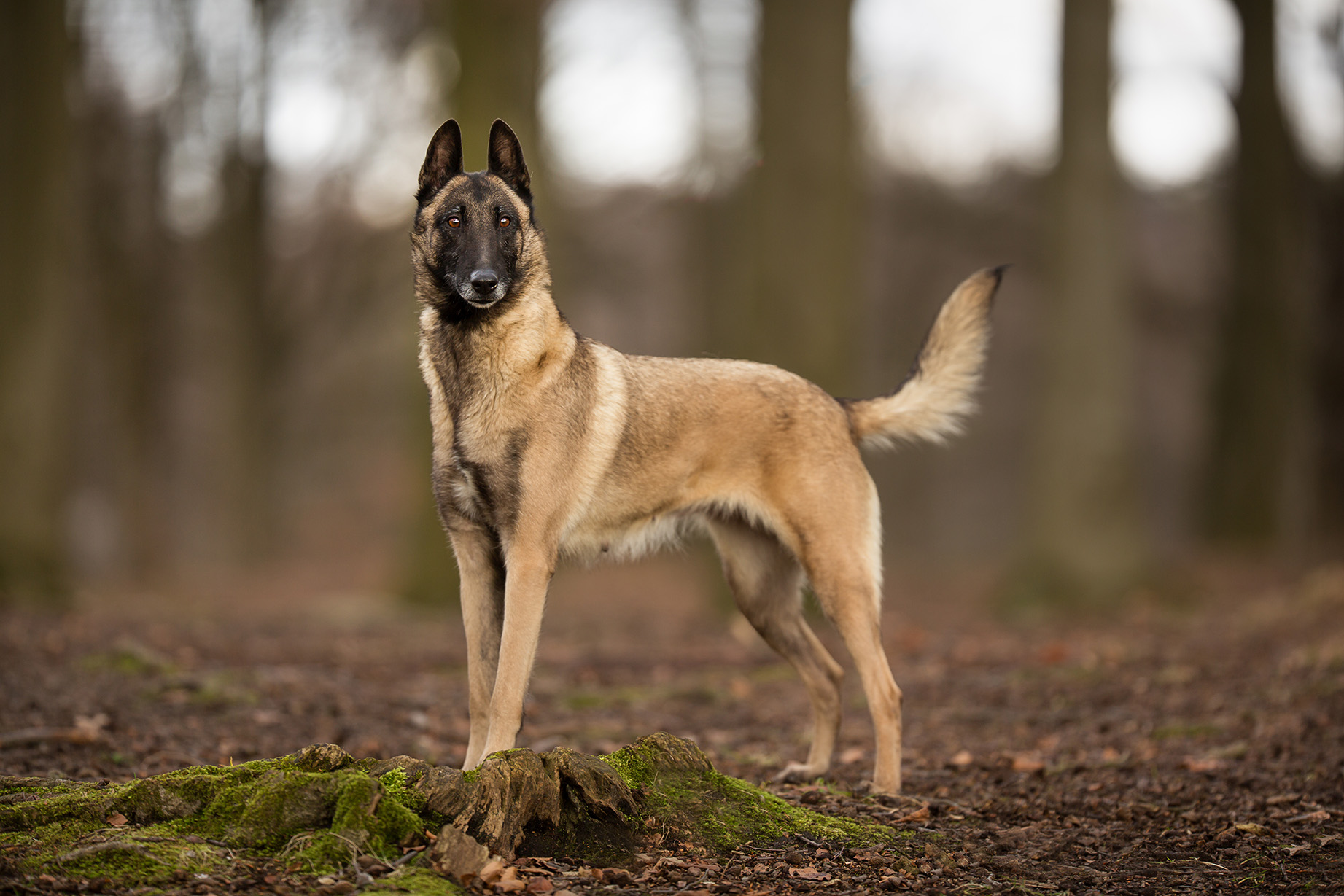
The Belgian Malinois is a highly intelligent, agile, and energetic herding breed originating from Belgium, known for its exceptional versatility and strong work ethic. Similar in appearance to the German Shepherd but with a more slender build, the Malinois has a short, fawn to mahogany-colored coat with a black mask. Its athleticism, intelligence, and strong drive make it a top choice for demanding roles in police and military work, search and rescue, and protection work worldwide.
Malinois are intensely loyal and form close bonds with their families, but they require experienced handlers who can provide consistent training, socialization, and mental and physical stimulation. They are known for their high energy levels, quick reflexes, and problem-solving abilities, making them ideal for active households and handlers who enjoy structured activities like obedience training, agility, or protection sports.
While they are protective and can be wary of strangers, Malinois are affectionate with their families and thrive on interaction and companionship. With the right guidance, Belgian Malinois make highly rewarding companions, excelling in homes that can match their need for purpose and activity.
History
The Belgian Malinois is one of four closely related herding breeds from Belgium, collectively known as the Belgian Shepherd dogs. The other three varieties are the Tervuren, Groenendael, and Laekenois. The Malinois takes its name from the city of Malines (Mechelen in Flemish), where it was extensively developed during the late 19th and early 20th centuries. Early Belgian herding dogs varied greatly in coat type and color, but through concerted efforts by breeders and dog fanciers, these canines were eventually sorted into distinct types based on their physical characteristics and region of origin.
Historically, the Malinois was a herding dog par excellence. Belgian farmers and shepherds needed agile, intelligent, and resilient dogs to manage livestock in a range of terrains and weather conditions. The Malinois excelled in this environment thanks to its keen intelligence, strong work ethic, and protective instinct. As industrialization progressed and the need for dedicated herding dogs shifted, the breed’s talents proved adaptable to other tasks. Beginning in the early 1900s, the Malinois gained attention for its prowess in police and military work, owing to its keen nose, athletic build, and high trainability.
Throughout the 20th century, Belgian Malinois were exported to various countries, where they quickly found roles in law enforcement, search and rescue, and security services. Though at times overshadowed by the more widely recognized German Shepherd Dog, the Malinois steadily built a reputation as a first-rate working animal capable of handling demanding tasks. The American Kennel Club (AKC) granted official recognition to the Belgian Malinois in 1959, classifying it within the Herding Group.
Today, the Belgian Malinois is renowned worldwide for its service in police and military units, including elite canine teams. Its intensity, drive, and versatility continue to make it a preferred choice for handlers who require a confident, trainable partner. As a companion animal, the Malinois thrives in active households that can provide ample mental and physical stimulation, ensuring that this historically hardworking breed maintains both its health and celebrated working heritage.
Appearance
Belgian Malinois are medium-sized, squarely built dogs with a clean, athletic outline and a short, weather-resistant coat. Typical color is fawn to mahogany with a distinct black mask; the overall look is alert and ready to move.
They’re built for speed and endurance rather than bulk, with a balanced gait and quick, efficient footwork. Ears are erect, the coat is relatively easy to maintain compared with long-coated shepherd varieties, and the expression is intelligent and engaged.
Colors
• Fawn
• Mahogany
Health
Belgian Malinois are generally considered a healthy, long-lived working breed, but responsible breeding still matters. Screening for orthopedic issues (such as hip and elbow dysplasia) and routine eye examinations are commonly recommended for breeding stock.
Partner with a veterinarian for preventive care and conditioning guidance, and watch for overuse injuries in highly driven dogs. Choosing breeders who document health testing and prioritize stable temperament is one of the best ways to stack the odds in your favor.
Care
Basic care is straightforward: regular brushing to remove shed hair, routine nail trims, ear checks, and dental hygiene. The bigger “care” requirement is lifestyle management—daily physical exercise plus mental work to keep the dog satisfied and stable.
Feed a high-quality diet and keep the dog lean and conditioned. Many Malinois are so driven that they’ll overdo activity if allowed, so smart scheduling (warm-ups, rest days, controlled repetitive jumping) helps reduce avoidable wear-and-tear.
Training
Early, consistent training is non-negotiable with most Malinois. They learn quickly and often enjoy precision work, but that same sensitivity means sloppy timing, unclear rules, or harsh methods can create big behavior problems.
Start with socialization, impulse control, and engagement games that teach the dog how to settle. Many Malinois thrive in structured activities—obedience, tracking, agility, herding, and protection sports under responsible instruction—because training gives them a job and teaches them to turn intensity on and off.
Temperament
A well-bred Malinois is smart, confident, and intensely motivated to work with a person. Temperament can range from bold and friendly to more reserved with strangers, but steady nerves and clear-headed behavior are key; chronic fearfulness or inappropriate aggression is a serious concern in any dog, especially a powerful working breed.
Because they’re fast to react and “all in” with whatever they’re doing, Malinois can be overwhelming for households that want a laid-back companion. Without enough exercise and training, their intensity can show up as hypervigilance, destructiveness, reactivity, or persistent mouthing and chasing behaviors.
Lifestyle
The Malinois is best suited to active people who genuinely want a training hobby or working partner. Expect to invest time daily in exercise, training, and enrichment—this is not a breed that typically adapts well to long workdays with little interaction.
They often do well in homes with secure fencing and clear routines, and they can live in many housing types if their activity needs are met. Heat and humidity require sensible management; plan early-morning or evening workouts and provide plenty of water and rest.
Ownership
Owning a Malinois is rewarding when you enjoy structure, practice, and progression—because the dog will meet your effort with enthusiasm. They tend to do best with owners who are experienced (or well-coached) and committed to training, not with first-time dog owners looking for an easy companion.
Before bringing one home, meet adult dogs, talk to reputable breeders or rescue groups, and be honest about your time and goals. Budget for training classes, sport/working outlets, durable gear, and the ongoing routine that keeps a high-drive dog safe and happy.
Interesting Facts
• Type: short-coated variety of the Belgian Shepherd Dog.
• Temperament: highly driven, intelligent, and handler-oriented; needs structure and a job.
• Typical look: fawn-to-mahogany coat with a black mask and erect ears.
• Common roles: sport work, tracking, search-and-rescue, and service/patrol work.
• Health screening often recommended: hips, elbows, and routine eye exams.