
Belgian Sheepdog
Basics
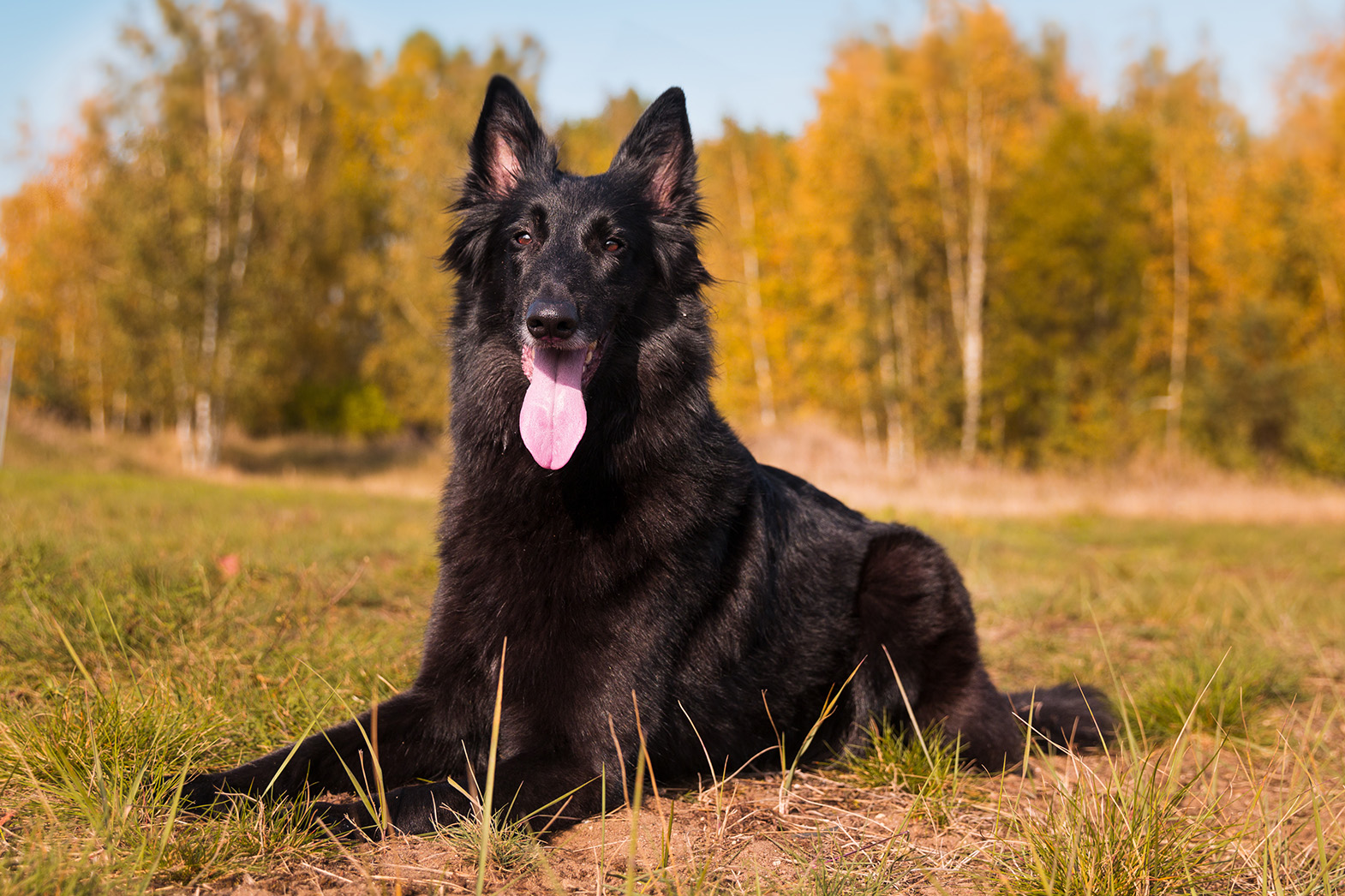
The Belgian Sheepdog is a long-coated, black herding dog known for intelligence, versatility, and close partnership with its people. Originally developed for working stock, the breed is built for endurance and typically thrives when it has training, activity, and a clear role in the household.
Many Belgian Sheepdogs are deeply attached to their families and prefer to be involved rather than left on the sidelines. They can be outstanding sport and working companions for owners who enjoy consistent training and daily engagement.
Description
The Belgian Sheepdog, also known as the Groenendael, is a highly intelligent, versatile, and loyal herding breed originating from Belgium. Known for its elegant, long black coat, this breed is one of four varieties of Belgian herding dogs, each with distinct coat types and colors. The Belgian Sheepdog was initially bred for herding and guarding livestock, but its versatility, agility, and trainability have made it a popular choice for roles in police work, search and rescue, and various dog sports.
Belgian Sheepdogs are medium to large in size, with a well-proportioned, athletic build that reflects their agility and endurance. They are highly alert and protective, which, combined with their strong loyalty, makes them excellent watchdogs and companions. Belgian Sheepdogs form strong bonds with their families and are known for their gentle, affectionate nature with children, but they can be reserved with strangers.
Due to their high intelligence and energy levels, Belgian Sheepdogs thrive with active families who can provide them with regular mental and physical stimulation. They excel in obedience, agility, and herding activities, and they require consistent training and socialization from an early age to channel their energy and intelligence effectively.
History
The Belgian Sheepdog, known in most parts of the world as the Groenendael, is one of four closely related herding varieties that originated in Belgium—the others being the Tervuren, Malinois, and Laekenois. In the late 19th century, Belgian veterinarian Professor Adolphe Reul set out to categorize and standardize the native herding dogs of the region, which came in various coat types and colors. Through his efforts, these dogs were eventually distinguished into separate varieties, each named for the area in which it was developed. The Groenendael, with its long, solid-black coat, took its name from the Château de Groenendael near Brussels, where it was bred and refined by a local kennel owner named Nicolas Rose.
Historically, Belgian Sheepdogs excelled as all-around farm dogs. They were particularly adept at herding sheep, cattle, and other livestock, thanks to their intelligence, agility, and strong protective instincts. As industrialization reduced the need for dedicated herding dogs, the breed’s versatility proved invaluable. Belgian Sheepdogs took on roles in police and military work, performing tasks such as messenger duty, guard duty, and search and rescue. Both World Wars saw them utilized as ambulance dogs and dispatch carriers, further cementing their reputation for trainability and bravery under pressure.
In the United States, the American Kennel Club (AKC) initially grouped all Belgian herding varieties under a single breed name, the “Belgian Sheepdog.” Over time, however, the four varieties evolved into separate AKC-recognized breeds or varieties, depending on the registry. In many other countries, the Groenendael is simply called the Belgian Shepherd (Groenendael), whereas in AKC terminology, the name “Belgian Sheepdog” refers specifically to the black, long-coated variety. Despite these naming differences, the breed’s history remains deeply intertwined with Belgium’s pastoral heritage. Today, the Belgian Sheepdog thrives both as a loyal family companion and as a versatile working dog—serving in fields such as obedience, agility, search and rescue, and of course, herding, carrying forward its proud legacy of intelligence and devotion.
Appearance
Belgian Sheepdogs are well-balanced, squarely built dogs with an elegant outline and a proud head-and-neck carriage. The impression should be strong and athletic without bulkiness, reflecting a dog made to move efficiently for long periods.
The coat is a hallmark: long, straight guard hairs with a very dense undercoat, plus heavier “furnishings” around the neck, legs, and tail. Color is black, with limited white permitted in specific small areas in many standards (such as small forechest markings or a few toe tips).
Colors
• Black
• Black & Cream
• Black & White
• Brown
• Fawn
• Fawn & Black
• Gray
• Sable
• Silver
• Silver & Black
• Wolfgray & Black
Health
Overall health depends heavily on responsible breeding, conditioning, and preventive veterinary care. As an athletic, medium-to-large working breed, maintaining an ideal body condition and building fitness gradually helps reduce avoidable strain.
When choosing a puppy, look for breeders who can explain their health-testing practices and who prioritize stable temperament along with structure. Regular wellness exams help catch issues that can be harder to notice under a heavy coat (skin irritation, ear problems, or weight gain).
Care
Coat care is a real part of ownership. Regular brushing and combing helps prevent tangles and keeps the dense undercoat from packing down; expect heavier seasonal shedding when the undercoat “blows.”
Routine maintenance—nails, ears, teeth, and parasite prevention—fits any active breed. Because these dogs are built to work, keeping them lean and well-conditioned (rather than “pet soft”) supports comfort and mobility over the long term.
Training
Belgian Sheepdogs are highly trainable and often excel when training is consistent, fair, and mentally engaging. They tend to respond well to reward-based methods, clear expectations, and short sessions that build precision without drilling.
Early socialization and impulse-control foundations help channel natural guarding and herding instincts into good manners. Many enjoy advanced outlets like obedience, agility, tracking, herding, and protection sports with responsible coaching, which can make everyday life smoother and calmer.
Temperament
This breed is typically alert, quick to learn, and strongly devoted to its owner. A good Belgian Sheepdog should be watchful and confident, with the steadiness to assess new situations without unnecessary fear or volatility.
They often show natural protectiveness of home and family, which is best supported by early socialization and clear boundaries. With familiar people, many are affectionate and eager for attention, but they may be more reserved with strangers—especially if under-socialized.
Lifestyle
This is a high-engagement breed that generally needs daily exercise plus mental work. Beyond walks, they benefit from training games, off-leash running in secure areas, sport practice, or tasks that let them use focus and problem-solving.
They’re often happiest when they can be near their people and included in routines. Homes that can provide structure, enrichment, and consistent interaction tend to bring out the best in the breed; long periods of boredom or isolation can lead to nuisance behaviors.
Ownership
Belgian Sheepdog ownership is a good fit for people who want a smart, athletic partner and are ready to commit to training and grooming. When their needs are met, they’re often intensely loyal, responsive, and impressive all-rounders.
Before bringing one home, meet adult dogs, talk to the breed club or experienced owners, and be realistic about time for brushing, exercise, and training. Plan for ongoing costs such as classes, sport outlets, quality food, and routine veterinary care.
Interesting Facts
• Type: long-coated Belgian herding breed; often associated with the black, long-haired variety.
• Build: square, athletic, and elegant—strong without heaviness.
• Coat: long, straight outer coat with a very dense undercoat; seasonal shedding can be heavy.
• Color: black, with limited white typically allowed only in specific small areas.
• Common activities: obedience, agility, tracking, herding, and protection sports when well trained.