
Berner Laufhund
Basics
The Berner Laufhund (Bernese Hound) is one of the four colour varieties of the Swiss Hound, a traditional Swiss scent hound developed for hunting with a strong, methodical nose and a clear voice on trail. In Switzerland it is commonly worked as a single dog or in small groups, expected to search independently yet remain connected to its handler.
In the home, this breed is typically described as a clean, pleasant companion that forms a close bond with its people. Most individuals are happiest when their days include purposeful work—structured scent games, long walks, or controlled off-leash running in safe areas—rather than a purely sedentary pet routine.
Description
The Berner Laufhund, also known as the Bernese Laufhund, is a Swiss hunting breed originally developed in the Bernese Oberland region of Switzerland. This breed was primarily used for hunting large game, including boar, deer, and other wildlife, thanks to its excellent scenting ability, stamina, and strong tracking instincts. The Berner Laufhund is known for its ruggedness, agility, and friendly, calm temperament.
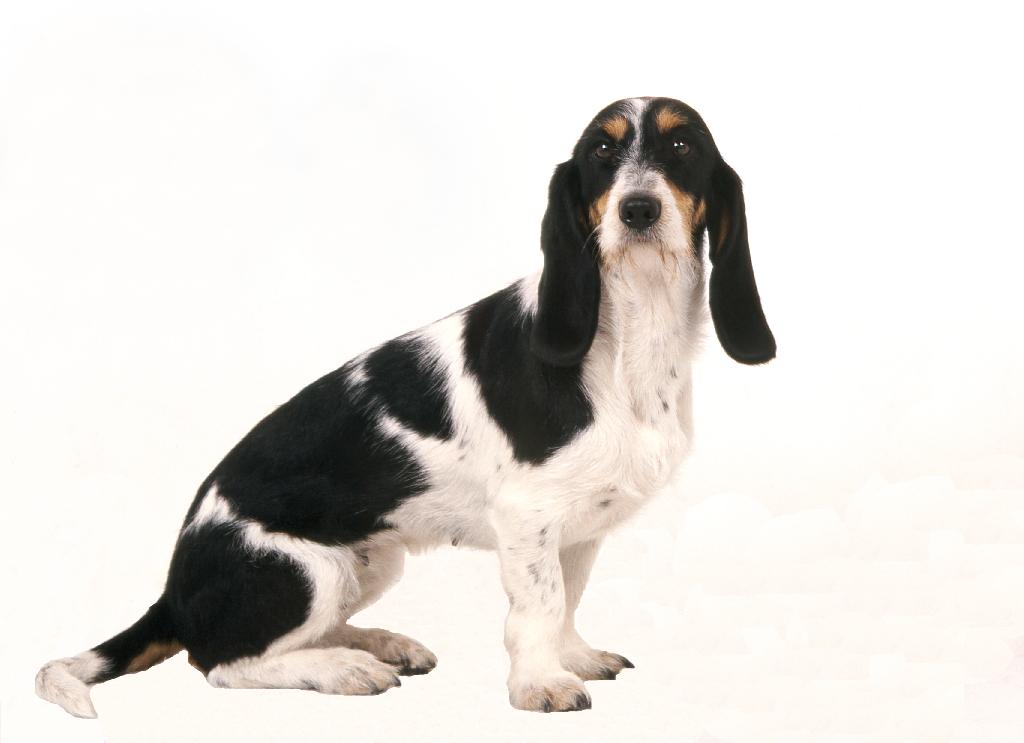
Physically, the Berner Laufhund is a medium-sized dog with a well-proportioned, muscular body built for endurance and agility in the field. It has a short to medium-length coat that is usually tri-colored, typically a mix of black, tan, and white, with distinctive markings. The breed’s expressive eyes, alert expression, and compact build give it a balanced and athletic appearance.
Temperament-wise, the Berner Laufhund is known for being intelligent, loyal, and independent, with a strong desire to work and track scents. It is a friendly and social dog, good with its family, and tends to get along well with other dogs, especially when raised in a multi-dog environment. However, it may show a strong prey drive and can be reserved or cautious around unfamiliar people, making early socialization important.
Training the Berner Laufhund can be a bit challenging due to its independent nature, but with consistent and patient training, the breed is highly trainable and eager to work. It responds well to positive reinforcement techniques and enjoys engaging in activities that stimulate its natural hunting instincts.
The Berner Laufhund is an active and energetic breed that requires regular exercise and mental stimulation to stay happy and healthy. It is well-suited for families or individuals with an active lifestyle who can provide opportunities for outdoor activities and scent work, which tap into its natural instincts.
Overall, the Berner Laufhund is a versatile, hardworking, and loyal companion that makes an excellent hunting partner as well as a devoted family dog. With the right training, exercise, and socialization, it can be a wonderful addition to active households.
History
The Berner Laufhund, also known as the Bernese Hound, is one of four regional varieties of the Schweizer Laufhund (Swiss Hound). Each variety—Berner, Jura, Luzerner, and Schwyzer—is named after the Swiss canton or region where it developed. The Berner Laufhund hails specifically from the canton of Bern in west-central Switzerland, and like its close relatives, it has been used for centuries as a scenthound to track and hunt game such as hare, fox, and occasionally larger quarry. The word *Laufhund* means “running hound” in German, reflecting this breed’s specialized role in pursuing prey over rugged terrain.
Historical references to Swiss hounds date back to the Middle Ages, when scenthounds were highly valued by hunters and nobility for their keen noses and stamina. Over time, geographic isolation and local breeding preferences led to the emergence of distinct regional types. In Bern, hunters favored a medium-sized, elegant hound with a tricolored or bi-colored coat, noted for its harmonious build and resonant baying voice. Selective breeding honed the Berner Laufhund’s nose, tenacity, and pack-working instincts, making it well-suited to the mountainous landscapes and densely forested areas of the canton.
Modern efforts to preserve Swiss hound varieties took shape in the late 19th and early 20th centuries, when dog fanciers and hunting enthusiasts began standardizing breed characteristics and documenting pedigrees. These efforts led to formal recognition of the Schweizer Laufhund by the Schweizerische Kynologische Gesellschaft (Swiss Kennel Club) and later by the Fédération Cynologique Internationale (FCI). While the Berner Laufhund remains relatively rare outside Switzerland, dedicated clubs work to maintain its working heritage and protect its distinctive traits.
Today, the Berner Laufhund is still primarily owned by hunters within its homeland, continuing to excel as a methodical, scent-focused tracker. A modest number of enthusiasts worldwide appreciate it for its historical significance, gentle temperament, and melodious hunting call. Though not as widely popular as some other hound breeds, the Berner Laufhund’s legacy endures as a testament to Switzerland’s long history of regional scenthounds and the local traditions that shaped them.
Appearance
The Berner Laufhund is a medium-sized, athletic hound built for endurance: a lean, dry head with long, low-set ears; a deep chest; and strong legs that support flowing, ground-covering movement. The coat is short, smooth and dense, with finer hair on the head and ears.
Its variety is defined mainly by colour. The typical pattern is white with black patches or a black saddle, with tan points (often above the eyes, on the cheeks, inside the ears and around the anus); light ticking/speckling can occur. Overall expression is noble and alert rather than heavy or coarse.
Colors
• Tricolored
Health
Specific health data is limited because the Berner Laufhund is relatively uncommon outside its home region, so the best protection is careful selection of breeder, pedigree transparency, and routine veterinary care. As a working scent hound, it benefits from maintaining a lean body condition to reduce strain on joints and back.
Practical “field dog” health priorities include parasite prevention (ticks and worms), prompt care for minor injuries, and regular ear and dental checks. If your dog is used for sustained running or hunting, ask your veterinarian about an appropriate conditioning plan and periodic orthopedic screening based on age and workload.
Care
Coat care is straightforward: a weekly brush usually handles shedding and keeps the short coat tidy, with more frequent brushing during seasonal coat changes. Because the ears are long and folded, regular ear checks and gentle cleaning when needed are important—especially for dogs that hunt or spend time in wet grass.
This is an endurance athlete, so care is as much about condition as cosmetics. Keep nails short for traction, build fitness gradually, and watch body condition closely; hounds can gain weight if exercise drops while appetite stays high. After runs in fields or forests, do a quick check for burrs, ticks, and small cuts.
Training
Training is usually most successful when you work with the breed’s nose rather than fighting it. Short, upbeat sessions using food, toys and especially scent-based rewards can produce a dog that is eager to cooperate, even if distractions are high.
Prioritize a rock-solid recall strategy early (long line, rehearsed check-ins, and staged distractions). Many Berners benefit from structured scentwork, tracking games, and controlled hunting-style exercises that satisfy drive while reinforcing handler connection. Harsh corrections tend to backfire; consistency and patient repetition matter more.
Temperament
Bred to follow scent for long periods, the Berner Laufhund tends to be lively, persistent and highly motivated by smells. Many are people-oriented and affectionate with their household, but outside they can become intensely focused once a trail is found.
They are often sensitive and do best with calm, fair handling. Social contact and steady routines matter: a well-socialized Berner Laufhund is typically friendly and cooperative, while boredom and frustration can show up as restlessness, vocalizing, or “selective hearing” when interesting scents appear.
Lifestyle
This breed fits best with an active, outdoors-oriented household. Daily exercise should be meaningful—long walks, steady jogging (once mature), hiking, or scentwork sessions—because a quick potty walk rarely meets its needs.
A securely fenced area is strongly recommended. Off-leash freedom in open, unfenced spaces can be risky for scent hounds, since a promising track can override training. The Berner Laufhund often does well with other dogs, especially when properly introduced, and many enjoy the companionship of a canine housemate.
Ownership
A good owner for a Berner Laufhund enjoys training, can provide consistent boundaries, and is comfortable managing a dog that may follow its nose with determination. Plan for time outside every day and for ongoing enrichment that feels like “a job,” not just play.
If you want a calm apartment dog or a breed that naturally stays close off-leash in unfenced areas, this is usually not the ideal match. The best experiences come from working with responsible breeders who prioritize temperament and functional structure, and from setting realistic expectations: even a well-trained hound will sometimes choose scent over obedience unless management is in place.
Interesting Facts
- One of four colour varieties of the Swiss Hound (Schweizer Laufhund/Chien courant suisse).
- Traditional use: scent trailing and giving voice on track to move game toward the hunter.
- Typical colour: white with black patches or a black saddle, with tan points; may be lightly speckled.
- Short, smooth coat with long, folded ears; ear checks are a routine priority.
- Usually happiest with frequent outdoor time plus scent-based activities (tracking, nosework).