
Blue Lacy
Basics
The Blue Lacy (often called the Lacy Dog) is a purpose-bred Texas working dog developed to handle demanding ranch and hunting tasks. Breed organizations emphasize that Lacys were developed to work hogs in the Texas Hill Country and to be useful, all-around dogs—hunting, herding, tracking, and more.
The Blue Lacy is also recognized in Texas as the official State Dog Breed, which reflects the breed’s deep cultural roots in the state. While “blue” is the best-known color, Lacys may also be red or tricolored, depending on line and registry standards.
Description
The Blue Lacy is a versatile, energetic, and highly intelligent breed originally developed in Texas for working purposes, particularly as a herding dog. Known for its agility, stamina, and excellent scenting abilities, the Blue Lacy is often used for herding livestock, hunting, and even search-and-rescue work. It is recognized for its strong work ethic and loyalty to its owners.
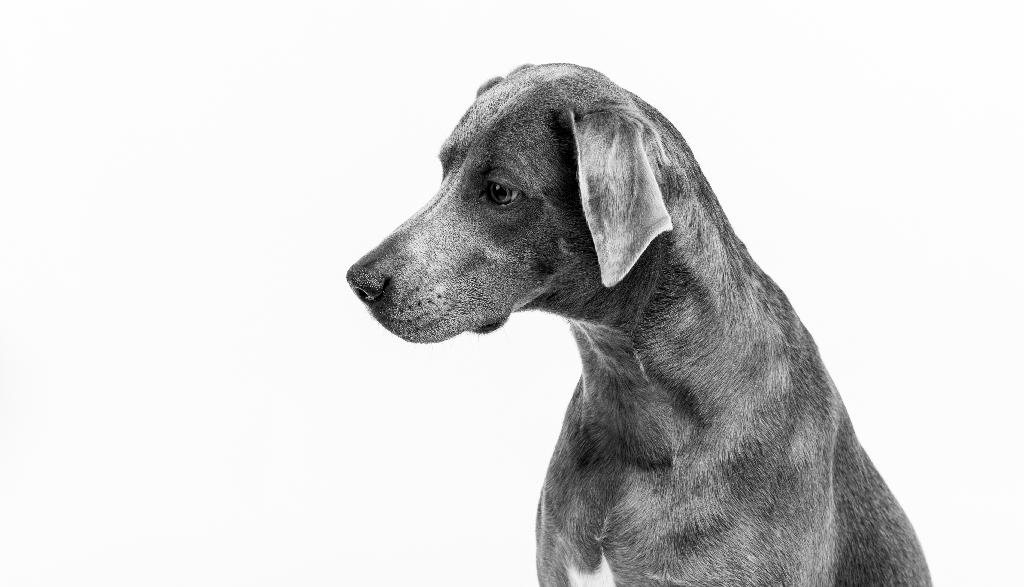
Physically, the Blue Lacy is a medium-sized dog with a sleek, athletic build. It has a short, smooth coat that is typically blue-gray, with some variations in color, including tan or red markings. The breed’s ears are typically pointed, and its expression is alert and intelligent. The Blue Lacy’s strong, lean body is designed for endurance, making it well-suited for long hours of work in the field.
Temperament-wise, the Blue Lacy is known for being friendly, loyal, and highly energetic. It forms strong bonds with its family and can be protective of its loved ones. The breed is typically good with children and other pets, especially if socialized early. However, its strong prey drive and herding instincts may lead it to chase smaller animals if not properly trained. It is an intelligent dog that thrives on mental stimulation and can become bored or destructive if not given enough tasks to do.
Training the Blue Lacy is generally straightforward, as it is highly trainable and eager to please. However, the breed’s independent streak means it requires a confident and consistent handler to prevent it from becoming stubborn. Early socialization and positive reinforcement are key to developing a well-behaved and well-adjusted dog.
The Blue Lacy is an active breed that requires plenty of exercise, including daily walks, runs, or other forms of physical activity to keep it mentally and physically stimulated. It is best suited for owners who have an active lifestyle and the space to provide it with regular opportunities to work or play.
Overall, the Blue Lacy is a loyal, energetic, and hardworking breed that excels in various roles, including herding, hunting, and search-and-rescue. With proper training, exercise, and mental stimulation, the Blue Lacy can make a devoted and versatile companion, especially for experienced dog owners.
History
The Blue Lacy is a working dog breed that originated in the mid-19th century on the rugged ranches of Central Texas. It was created by the four Lacy brothers—Frank, George, Edwin, and Harry—who migrated from Kentucky to Texas in 1858. Settling in Burnet County, they sought to develop an all-purpose dog capable of herding cattle and hogs, hunting wild game, and providing overall farm and ranch support. The dogs they bred eventually came to be known as “Blue Lacys,” a nod to both the unique bluish coloration that commonly appears in their coats and the family name behind their creation. Oral histories suggest the breed’s ancestry may include Greyhounds for speed and scenting ability, English Shepherds for herding instincts, and possibly wolf or coyote stock to enhance resilience.
Over the ensuing decades, Blue Lacys became a fixture on Texas ranches, where their versatility and work ethic made them indispensable. Renowned for their intelligence and tireless energy, they excelled at herding free-range hogs and cattle through the brushy Hill Country terrain. Their keen tracking ability also made them adept hunting companions, equally at home trailing varmints or larger game like feral hogs and deer. Ranchers valued the breed’s loyalty and trainability, which enabled the dogs to adapt to a variety of tasks with minimal oversight. Despite their hardiness and adaptability, Blue Lacys remained mostly unknown outside of Texas ranching circles for much of their early existence.
It wasn’t until the late 20th century that a concerted effort emerged to document and preserve the breed’s unique heritage. Breed associations formed to standardize the Blue Lacy’s characteristics, and Texas officially recognized the Blue Lacy as the “State Dog Breed” in 2005. This formal acknowledgment helped spark wider interest in the breed among hunters, ranchers, and dog enthusiasts nationwide. Even so, the Blue Lacy remains relatively rare and still thrives best in an environment where its energy and working instincts can be fully utilized. Often described as an embodiment of Texas ranching culture, the Blue Lacy stands as a tribute to the resourcefulness and self-reliance of the pioneers who developed it.
Appearance
Blue Lacys are athletic, lightly built but strong dogs designed for speed and endurance rather than bulk. They typically have a short, smooth, tight coat and an overall outline that looks “all business”—efficient for covering ground and working in heat.
Coat colors are commonly described as blue/gray in various shades, as well as red and tricolor. Eyes are often striking (frequently described in yellow-to-amber tones). Because they’re a working type, you may see some variation in size and look across different lines.
Colors
• Blue
• Cream
• Dark Grey
• Red
• Silver
• Tricolored
Health
Working lines are commonly described as hardy, but that doesn’t mean “no health needs.” Active dogs face higher exposure to injuries, heat stress, and parasites, so prevention and prompt treatment matter.
Some sources note that skin problems or food sensitivities can occur in the population, and rare issues (such as color dilution alopecia) have been reported in “blue” dogs in other breeds and occasionally in Lacys. A practical approach is to choose from breeders who prioritize stable temperament and working soundness and who are transparent about issues seen in their lines.
Care
Grooming is usually simple thanks to the short coat: a quick brush weekly and baths as needed are typically enough. Regular nail trimming and dental care are still important, and ear checks are wise for dogs that spend time outdoors.
Because Lacys are commonly worked hard, “care” also includes conditioning and recovery: gradual fitness building, hydration management, and routine checks for pad wear, cuts, and parasites. A tough dog can still get sidelined by preventable issues if after-work checks are skipped.
Training
Blue Lacys are often quick to learn, but they require thoughtful training because their drive is high. Reward-based methods, clear rules, and plenty of repetition around real-world distractions usually produce the best results.
Focus early on recall, leash skills, and impulse control—especially if the dog will be worked around stock or used for hog hunting or tracking. They typically thrive when training is tied to a job (tracking games, herding foundations, structured retrieves) rather than long, repetitive drills.
Temperament
A good Blue Lacy is intense, alert, and highly motivated to work. Many are described as driven and gritty—traits that are valuable for controlling livestock or pursuing game, but that can overwhelm households that want an easygoing, low-energy pet.
With their people, they’re often loyal and responsive, especially when they have consistent leadership and a clear role. Early socialization helps balance their natural seriousness, and many do best when they can channel their energy into training, jobs, or structured sport.
Lifestyle
This breed is happiest in an active lifestyle where it can burn energy every day. Long walks alone may not be enough—many Lacys do best with a mix of physical exercise and problem-solving work like scent games, tracking, training drills, or real ranch tasks.
They can adapt to home life, but they typically need structure and a plan. Without enough activity, a driven working dog can become restless, mouthy, or destructive, so owners should expect to provide consistent outlets rather than hoping the dog “calms down.”
Ownership
A Blue Lacy is a strong choice for experienced, hands-on owners who want a true working companion. The right match can be an impressive partner for hunting, ranch work, or performance sports—but the breed’s intensity means it’s not ideal for everyone.
Before bringing one home, be honest about your daily time budget for training and exercise. Look for breeders or rescues connected to working communities or breed organizations, ask about how the dogs are used (hog work, tracking, herding, etc.), and choose a temperament that fits your environment.
Interesting Facts
- Also known as the Lacy Dog or Texas Blue Lacy.
- Developed in Texas as a working dog; commonly used for hog work, hunting, herding, and tracking.
- The Blue Lacy is the official State Dog Breed of Texas.
- Short, smooth coat; common colors include blue/gray, red, and tricolor.
- Typically described as intelligent, intense, and high-energy—best with a job.