
Bluetick Coonhound
Basics
The Bluetick Coonhound is an American scent hound developed to trail and tree game, especially raccoon. In the house, many are affectionate, people-oriented dogs, but outdoors they can flip into focused “work mode” and follow a scent with impressive determination.
They tend to be highly driven, vocal, and independent-minded—traits that are strengths in the woods but can surprise first-time hound owners. Most do best with a securely fenced yard, consistent routines, and plenty of daily outlets for their nose and legs.
Description
The Bluetick Coonhound is a medium to large-sized breed known for its excellent hunting and scenting abilities. Originating in the southern United States, it was developed to track and hunt raccoons, as well as other small to medium-sized game. The Bluetick Coonhound is highly valued for its endurance, stamina, and deep, melodic bark, which makes it particularly effective in the field.
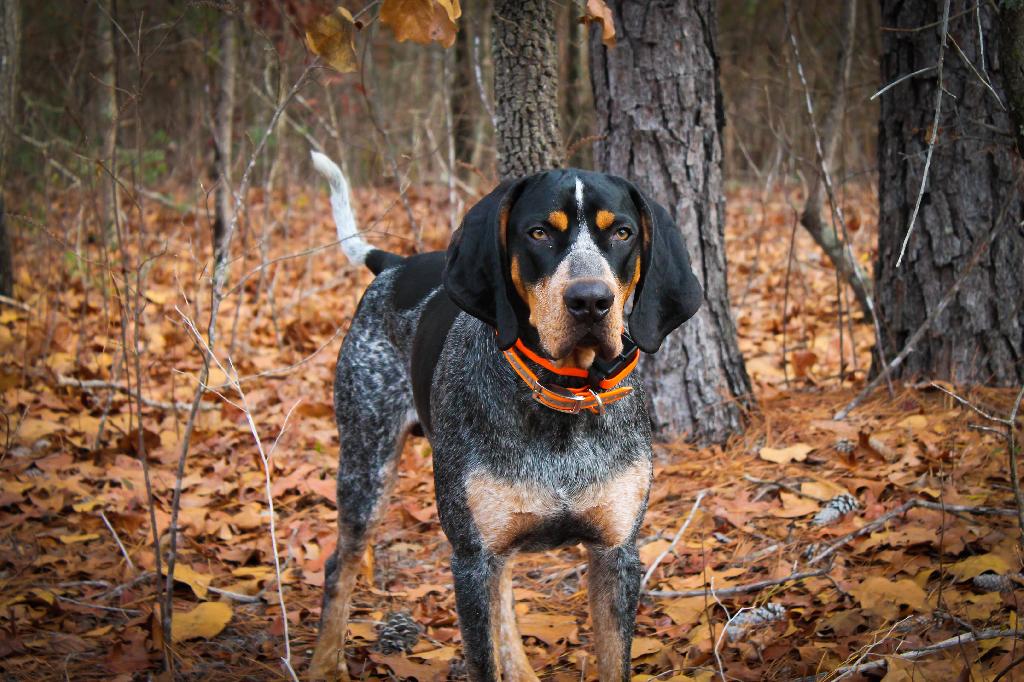
Physically, the Bluetick Coonhound has a sleek, muscular build with a distinctive coat that features a mottled blue color (resembling "ticks") with tan markings on the legs, chest, and eyebrows. Its long, floppy ears, droopy skin, and expressive eyes give it a classic hound appearance. The breed has strong legs and a broad chest, designed for endurance while hunting.
Temperament-wise, Bluetick Coonhounds are known for being friendly, loyal, and energetic. They are typically affectionate with their family, including children, and can get along well with other pets if properly socialized. However, their strong prey drive and hunting instincts mean they may chase smaller animals, so training and supervision are essential. Blueticks can be independent and stubborn, so a firm, patient handler is important for successful training. They respond well to positive reinforcement and thrive in environments that provide mental stimulation and tasks to engage their scenting abilities.
The Bluetick Coonhound requires plenty of exercise to stay healthy and happy. It enjoys outdoor activities, particularly those that allow it to use its natural scenting and tracking skills. This breed is best suited for active families or individuals with experience in handling hounds or working dogs.
Overall, the Bluetick Coonhound is an intelligent, energetic, and loyal breed that excels in hunting and tracking. With the right training, socialization, and exercise, it makes a devoted companion and an excellent working dog for those who can meet its needs.
History
The Bluetick Coonhound is a distinctly American scenthound that traces its roots back to the colonial era, particularly in the southern United States. Its ancestors are thought to include the French Grand Bleu de Gascogne hounds—brought to America in the 18th century—as well as English Foxhounds and other European hunting dogs. Over generations, hunters in states like Louisiana, Tennessee, and Mississippi refined these hounds for trailing raccoons, bears, and other game through dense woods and swamplands. The breed's name stems from its characteristic “blue ticking,” a mottling of black or dark-blue spots on a white coat base, which provides a measure of camouflage in moonlit hunts.
By the early 20th century, the Bluetick had established itself as a reliable and methodical tracker. Unlike faster hounds bred for quick runs, the Bluetick was developed to be a cold-nosed, persistent trailer—able to pick up older scent trails and follow them meticulously over long distances. Hunters valued the breed for its endurance, steady pursuit, and resonant bay that echoed through the night. In the 1940s, a formal push began among dedicated breeders to standardize the Bluetick’s appearance and working traits. These efforts set the foundation for modern breeding programs, ensuring that the dog’s keen nose and distinctive coat pattern remained consistent.
The United Kennel Club (UKC) recognized the Bluetick Coonhound as a separate breed in 1946, distinguishing it from its coonhound relatives like the Black and Tan, Redbone, and English varieties. The American Kennel Club (AKC) followed suit much later, accepting the Bluetick into its Foundation Stock Service in 2001, and eventually granting it full recognition in 2009. Despite this relatively recent formal acknowledgment, the Bluetick Coonhound has long been a fixture in American hunting culture, famously touted by figures such as President Lyndon B. Johnson, who owned Blueticks at his Texas ranch. Today, while still beloved by hunting enthusiasts, the Bluetick’s friendly demeanor and striking looks have also gained it fans in the companion dog world, carrying forward its proud heritage as both a skilled tracker and devoted family companion.
Appearance
Bluetick Coonhounds are athletic, well-muscled hounds built for endurance and a ground-covering gait. The overall outline is balanced and workmanlike rather than bulky, with a deep chest and a strong, level back.
Their coat is short, close, and glossy. The classic look is the “blue” mottled/ticked body (black ticking on a white background) often combined with black patches; the head and ears are typically darker, and tan points may appear over the eyes and on the muzzle, chest, and legs.
Size is medium-large: males are generally about 22–27 inches at the shoulder and females about 21–25 inches, with weight commonly in the 45–80 lb range depending on sex and build.
Colors
• Blue Ticked
• Blue Ticked and Tan
• Bluetick
Health
Bluetick Coonhounds are generally sturdy working dogs, but like many medium-large breeds they can be prone to orthopedic concerns (such as hip dysplasia) and should be kept at a lean, athletic weight. When choosing a breeder, ask about health screening and long-term soundness in their lines.
Their long ears and active outdoor lifestyle can make them more susceptible to ear irritation or infections, especially if they swim or spend time in wet brush. Regular ear checks and prompt treatment of redness/odor can prevent chronic problems.
As with other deep-chested dogs, talk with your veterinarian about bloat (GDV) risk and practical prevention steps. Routine wellness exams, parasite prevention (they often follow scents through tall grass), and age-appropriate conditioning are key.
Care
Exercise and enrichment are the foundation of Bluetick care. A brisk daily walk isn’t always enough on its own; many thrive with scent games, tracking-style activities, long hikes, or structured play that lets them “use their nose” in a controlled way.
Grooming is straightforward: the short coat needs only occasional brushing and routine bathing as needed. Pay extra attention to ear care—long, low-set ears can trap moisture and debris—plus regular nail trims and dental care.
Because they’re motivated by scent (and can be opportunistic eaters), use a secure fence, keep trash/food out of reach, and consider feeding practices that reduce gulping (slow feeders, calm meal times) if your dog eats fast.
Training
Training a Bluetick is very doable, but it usually works best when you lean into what motivates them: food rewards, praise, and especially permission to sniff as a reinforcer. Keep sessions short, upbeat, and consistent—repetition without variety can lead to “hound boredom.”
Recall is the big project for most owners. Many Blueticks will choose a hot trail over a shouted command, so start young, practice on long lines, and build rock-solid habits before trusting off-leash freedom in unfenced areas.
They can also be quite vocal by nature, so it’s wise to teach a “quiet” cue and provide enough exercise/enrichment to reduce boredom baying. Crate training and calm, structured routines help a lot with an independent-minded hound.
Temperament
Many Blueticks are sweet, sociable, and affectionate with their people, often happy to lounge once their exercise needs are met. They can be friendly with visitors, but their “hound hello” may include loud baying and enthusiastic sniffing.
As true scent hounds, they’re typically persistent and single-minded when they catch an interesting odor. That drive can translate to roaming, selective hearing, and intense interest in small wildlife, so management (leash, fence, and training) matters as much as personality.
With early socialization, they often do well with respectful children and other dogs. Cats and small pets can be a tougher fit in some homes due to prey drive—assume supervision and slow introductions are required.
Lifestyle
A Bluetick fits best with an active household that enjoys outdoor time and can commit to daily physical exercise plus mental work. They’re often happiest when they have a “job,” whether that’s hunting, nose work, tracking games, or structured adventures.
Apartment living can work for some individuals, but only if barking is well managed and exercise is taken seriously. Without enough outlets, they can become noisy, restless, or destructive—usually a sign their needs aren’t being met.
They’re typically not ideal off-leash dogs in open areas due to scent drive. Plan your lifestyle around leashes, long lines, and safely fenced spaces so the dog can run and explore without getting lost.
Ownership
Bluetick ownership is most rewarding for people who appreciate hound traits: independence, persistence, and a big voice. If you want a dog that is reliably handler-focused in every situation, this breed can be frustrating; if you enjoy working with a dog’s instincts, they’re a joy.
Expect to invest in secure containment (fencing and gates), training support, and enrichment that channels prey drive safely. Many owners find that hound-savvy training classes (especially scent sport foundations) make a huge difference.
When adopting or buying, look for stable temperament, good health history, and honest discussion about vocalization and drive. A Bluetick that’s well-exercised, well-managed, and included in family life is often a loving, entertaining companion.
Interesting Facts
- “Bluetick” refers to the blue-mottled/ticked coat pattern created by black ticking on a white background.
- The breed is known for strong scenting ability and a distinctive, loud baying voice used on trail.
- Typical adult size is roughly 21–27 inches at the shoulder and about 45–80 lb, depending on sex and build.
- In UKC history, Blueticks were originally registered as English before being recognized as a separate breed in 1946.
- Because they’re scent-driven, secure fencing and dependable leash skills are especially important.
- Their low-set, long ears benefit from regular cleaning/checks to help prevent irritation or infection.