
Border Collie
Basics
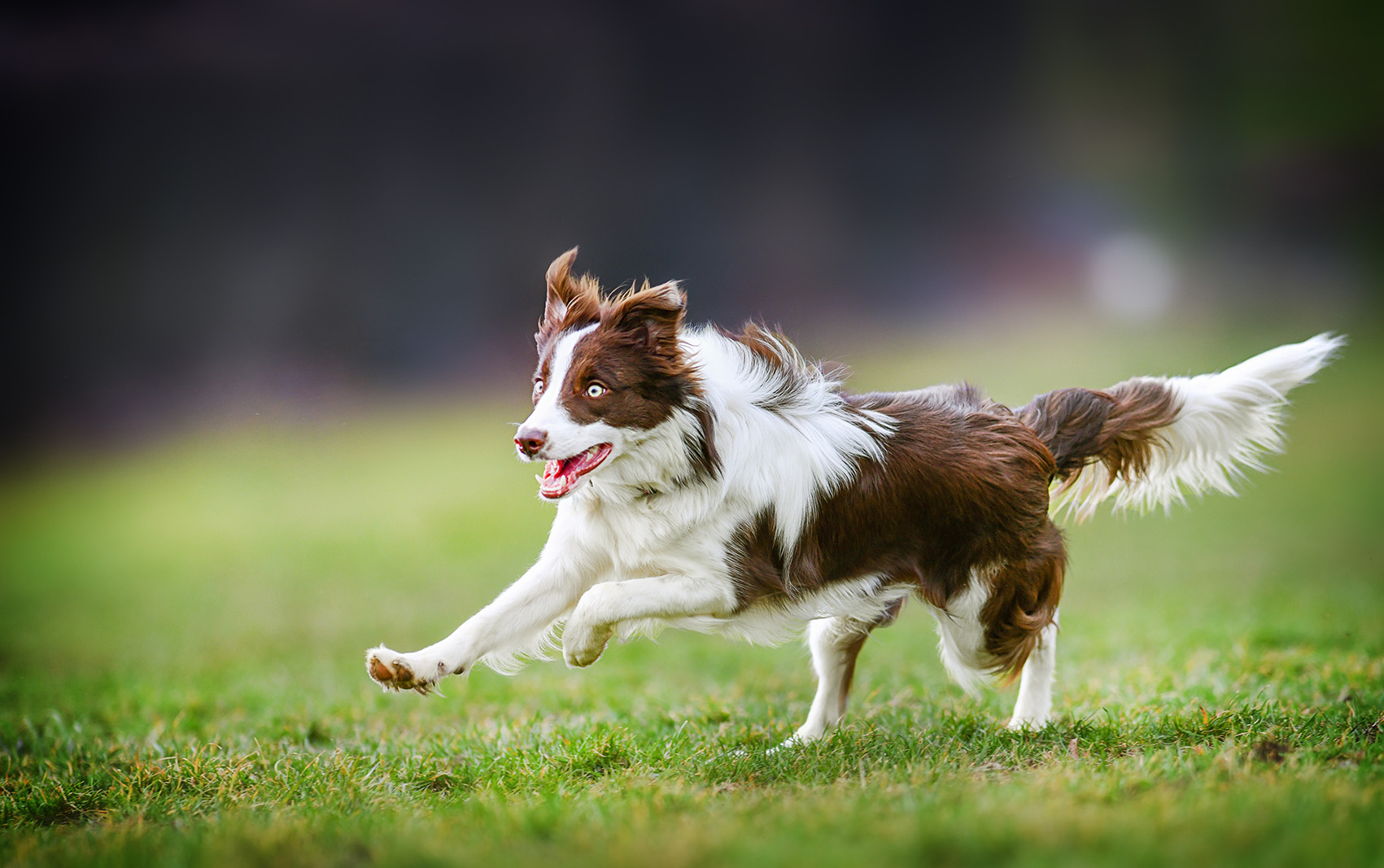
The Border Collie is a purpose-built sheepdog developed in Britain along the English–Scottish border, selected primarily for working ability and responsiveness. Their hallmark is an intense focus on stock—often described as “eye”—paired with quick problem-solving and an eagerness to take direction.
In pet homes, that same working drive shows up as energy, stamina, and a need for mental engagement. Many Border Collies are affectionate and enjoy downtime with their people, but they’re rarely content with only a couple short walks a day.
This breed can be an incredible partner for an active, training-oriented owner, but it’s also one of the easiest breeds to accidentally under-stimulate. When a Border Collie doesn’t have a job, they often create one (chasing motion, herding children, obsessive play, or nuisance behaviors).
Description
The Border Collie is a highly intelligent and energetic herding breed known for its agility, work ethic, and loyalty. Originating along the border between England and Scotland, this breed was developed for herding sheep, excelling at managing livestock with its intense focus, quick reflexes, and "eye" — a unique, mesmerizing stare that helps it control other animals.
Border Collies are medium-sized, with a muscular build and a dense double coat that can be either smooth or rough, often black and white but found in various color patterns. They’re prized for their keen intelligence, often considered the smartest dog breed, and are highly trainable, making them excel in agility, obedience, and other canine sports.
These dogs are best suited to active homes where they can exercise both their minds and bodies regularly. They are affectionate and loyal with their families, though they can be reserved with strangers. While Border Collies make excellent companions, they thrive with people who can meet their need for mental stimulation and physical activity, making them ideal for committed dog owners who enjoy an active lifestyle.
History
The Border Collie takes its name from the region where it was developed—the borderlands between Scotland and England. Dating back to at least the 18th century, the Border Collie’s ancestors were the local herding dogs employed by shepherds to manage flocks of sheep across rugged and often mountainous terrain. These early “collie-type” dogs came in various shapes and colors, but the most adept workers were selectively bred for intelligence, agility, and a remarkably strong herding instinct. Over generations, this intensive breeding process refined a dog uniquely attuned to reading and responding to livestock movements—qualities that would come to define the modern Border Collie.
A pivotal figure in the breed’s history was a dog named Old Hemp, born in 1893 and bred by Adam Telfer in Northumberland, England. Old Hemp was an exceptional sheepherder whose style of working—silent, intense, and reliant on what’s come to be called “the eye”—set a standard for the breed. Shepherds from around the region sought out Old Hemp’s offspring, spreading his influence quickly through the working lines of Border Collies. Trials and competitions became a popular way to showcase these dogs’ remarkable skill, further cementing their reputation as the ultimate sheepherding canine.
In 1906, the International Sheep Dog Society (ISDS) formed to promote standardized training and trialing procedures, giving the Border Collie an official framework to demonstrate its natural abilities. For much of the 20th century, however, breed registries paid little attention to the Border Collie because its identity was tied so closely to function rather than form. It wasn’t until 1995 that the American Kennel Club (AKC) granted official recognition to the breed—an event met with mixed feelings among working-dog enthusiasts, who feared that emphasizing conformation over performance could dilute the breed’s fabled herding aptitude.
Today, the Border Collie is celebrated worldwide, not only for its work on farms but also for dominating dog sports such as agility, obedience, and canine freestyle. Their quick wits, boundless energy, and unwavering focus make them a favorite among trainers and dog lovers alike. Whether rounding up sheep in the Scottish Highlands or weaving through an agility course in a suburban backyard, the Border Collie stands as a testament to centuries of selective breeding for intelligence, athleticism, and an unrelenting work ethic.
Appearance
Border Collies are medium-sized, athletic herding dogs built for efficient, agile movement. They tend to have a balanced frame with a deep chest, strong loin, and the overall look of a dog that can work all day.
Coats come in two common types: smooth (shorter) and rough (medium to longer, often slightly wavy). Regardless of length, the coat is designed for outdoor work and weather protection rather than decorative fluff.
Color and markings vary widely, and working ability has historically mattered more than a uniform “look.” What should be consistent is the breed’s ready-to-move posture and bright, attentive expression.
Colors
• Black
• Blue
• Blue Merle
• Brindle
• Gold
• Lilac
• Red
• Red Merle
• Sable
• Sable Merle
• Saddleback Sable
• Seal
• White & Black
• White & Blue
• White & Blue Merle
• White & Gold
• White & Red
• White & Red Merle
• White & Seal
• White Ticked
Health
Border Collies are generally athletic and tough, but responsible breeding still matters. Ask breeders about orthopedic screening (especially hips) and routine eye evaluations, since herding breeds commonly track these areas.
Some lines can carry inherited eye issues, and overall health varies between working, sport, and show populations. A breeder who can explain what they test for, what they’ve seen in relatives, and how they select for soundness is a strong sign of good stewardship.
For owners, the practical health foundations are consistent: keep the dog lean, condition gradually, and avoid repetitive high-impact jumping during growth. Regular preventive care and early attention to changes in gait, vision, or behavior help keep these hard-working dogs comfortable long-term.
Care
Grooming is usually straightforward compared with many long-coated breeds. Most Border Collies do well with brushing once or twice a week (more during shedding) to remove loose coat and prevent tangles, especially in rough-coated dogs.
Exercise needs are high, but the key is combining physical activity with brain work. A long run, hike, or fetch session helps, yet most Border Collies also need training games, scent work, puzzle feeding, or sport-style skills to feel satisfied.
They also benefit from intentional rest. Teaching relaxation (crate training, settle on a mat, calm rewards) helps prevent a dog from living in a constant state of “on,” which can look like anxiety or compulsive behavior over time.
Training
Border Collies excel with reward-based training that stays interesting and precise. Keep sessions short, frequent, and varied—many Border Collies get bored with repetitive drills but thrive when asked to solve new problems.
Early priorities should include recall, leash manners, impulse control, and a reliable “off switch.” If your dog becomes toy-obsessed, build structure around play (start/stop cues, trade, and calm resets) so games remain healthy rather than compulsive.
Many owners find success by giving the dog a real “job,” such as agility, obedience, rally, flyball, disc, tracking, or herding lessons. Purposeful training isn’t just a hobby for this breed—it’s often the difference between an easy companion and a frustrated one.
Temperament
Border Collies are famously intelligent, responsive, and intense. Many are playful and affectionate with family, but they can be reserved with strangers and may startle or become reactive if they haven’t had thoughtful early exposure to the world.
They learn extremely fast—and they notice patterns. That means they can pick up good habits quickly, but they can also learn unwanted routines (demand barking, shadowing, fixation on balls or lights) if the household reinforces them.
Because they were bred to control movement, some Border Collies are prone to chasing, stalking, and “herding” behaviors in pet settings. Training and appropriate outlets can channel those instincts into something fun and manageable.
Lifestyle
This is a breed for people who enjoy active days and structured interaction. Border Collies typically do best in homes that provide daily training, enrichment, and meaningful exercise—not just a backyard.
They can be excellent family dogs in the right setup, but busy households should plan to manage herding and chasing tendencies around running children, bikes, and other pets. Without guidance, the dog may try to control motion with stalking, barking, or nipping.
Border Collies often struggle when left bored for long hours. If your schedule is demanding, plan for dog sports classes, hired exercise, enrichment routines, and a training plan that builds calm independence.
Ownership
A Border Collie is a great choice if you want a highly trainable, high-energy partner and you have the time and interest to give them a real outlet. They’re less ideal for owners who want a low-maintenance pet that’s content with minimal daily engagement.
When choosing a puppy, decide what “job” you want the dog to do—herding, sports, hiking companion, or family pet—and look for lines and a breeder whose dogs reliably fit that purpose. Temperament, stability, and health testing are at least as important as drive.
Adopters should ask about the dog’s triggers, toy/ball fixation, comfort with handling, and ability to settle. With the right match and routine, Border Collies can be phenomenal companions—but they require intentional, ongoing ownership.
Interesting Facts
• Developed in Britain as a sheepdog; known for intense focus on stock (“eye”).
• Extremely intelligent and quick to learn—both good habits and bad ones.
• Needs substantial daily mental stimulation, not just physical exercise.
• Coat comes in smooth and rough types; grooming is usually moderate.
• Many thrive in dog sports (agility, obedience, disc, flyball) and herding activities.
• Best suited to owners who want an active, training-centered lifestyle.