
Bullmastiff
Basics
The Bullmastiff is a giant, powerful guardian breed developed in Britain to be strong, reliable, and controllable—an imposing presence that could deter threats without needing nonstop motion. In modern homes, Bullmastiffs are often calm companions and natural watchdogs that take their responsibility seriously.
This breed tends to do best with owners who want a steady, loyal dog rather than a high-drive athlete. They usually mature into confident guardians who are affectionate with family, but they still need early training and socialization so their size and protective instincts are safely channeled.
Description
The Bullmastiff is a large, powerful, and protective breed originally developed in England to guard estates and prevent poaching. Known for its strength, loyalty, and gentle nature, the Bullmastiff has become a popular family companion and guardian dog.
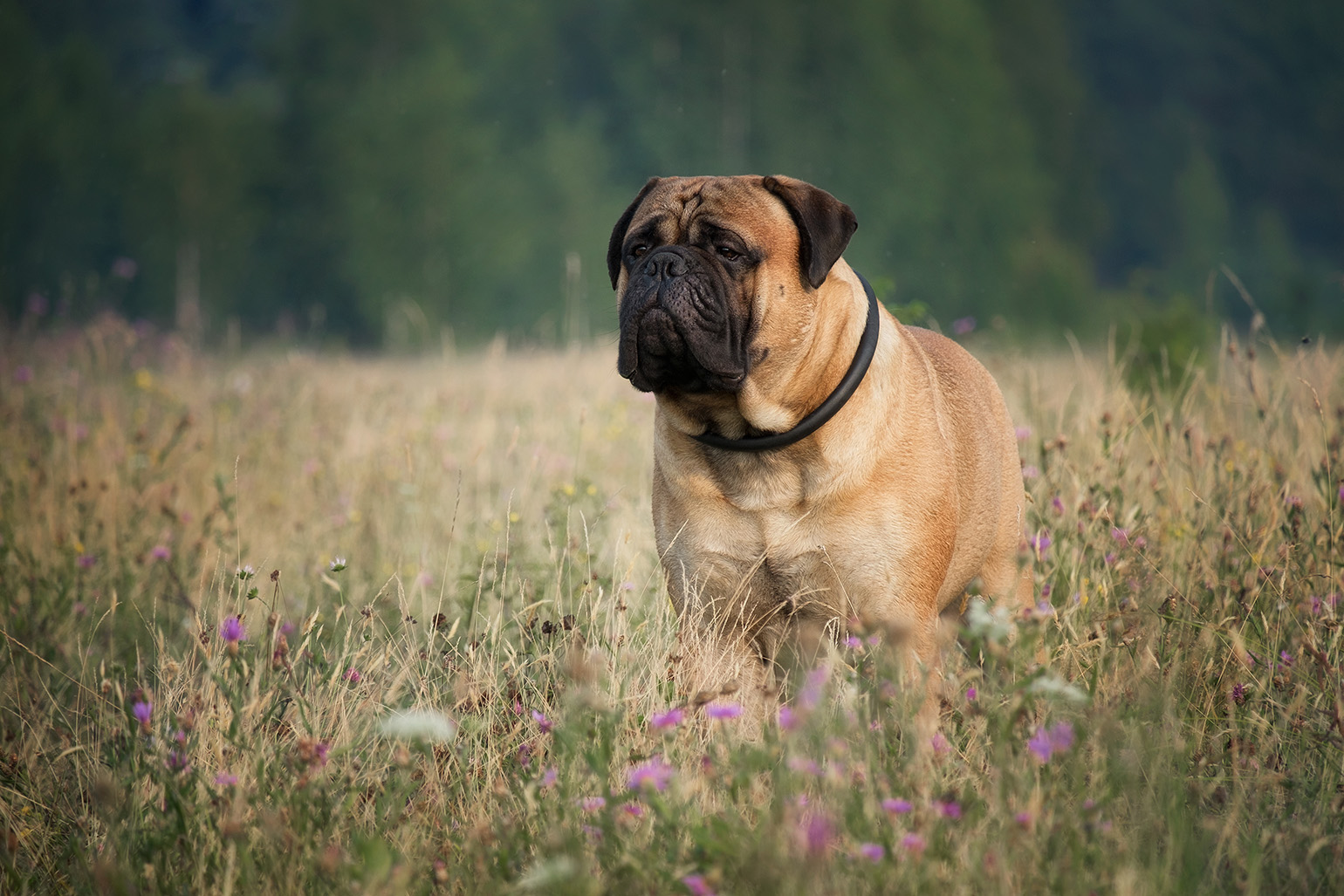
Physically, the Bullmastiff is massive and muscular, with a broad, square head and a short, dense coat that typically comes in fawn, brindle, or red. Its distinctive appearance includes a broad chest, strong limbs, and a short muzzle, along with dark, expressive eyes that convey a calm yet vigilant demeanor.
Temperamentally, Bullmastiffs are known for being calm, loyal, and affectionate with their families. Despite their imposing size, they are typically gentle and patient with children and other pets, especially when properly socialized. Their protective instincts make them excellent guard dogs, but they are not overly aggressive, often showing a reserved and dignified attitude with strangers.
Training a Bullmastiff requires consistency and patience due to their independent and sometimes stubborn nature. While intelligent, they can be selective in their responses, so positive reinforcement works best. Early socialization is important to ensure they are well-adjusted and confident around other people and animals.
Bullmastiffs are not overly energetic, but they still require regular exercise to stay healthy and prevent boredom. Their calm demeanor makes them well-suited for both suburban and rural living, but they need space to move comfortably.
Overall, the Bullmastiff is a loyal, protective, and gentle breed, making it an excellent choice for families who seek a reliable guardian and affectionate companion. With proper training and care, Bullmastiffs are calm and loving pets that form strong bonds with their owners.
History
The Bullmastiff is a relatively modern breed, dating back to the mid- to late 19th century in England. Gamekeepers on large estates needed a dog capable of protecting game from poachers, but without the excessive ferocity that might result in maiming or killing. To achieve this, they crossed the large, steady Mastiff with the tenacious, agile Old English Bulldog. The resulting dog, often referred to as the “Gamekeeper’s Night Dog,” possessed both the size and power of the Mastiff and the drive and quickness of the Bulldog. Its primary job was to track and subdue poachers quietly, rather than bark, and hold them until the gamekeeper arrived.
As estates began to diminish and poaching laws changed, the Bullmastiff transitioned from a specialized working dog to a more versatile guardian and companion. Breeders refined the early crosses, establishing consistent traits such as a short coat in shades of brindle, fawn, or red, a solid build, and a calm but watchful temperament. Known for being reliable and deeply loyal, Bullmastiffs gained popularity in both rural and urban settings. Their size and protective instincts made them ideal guard dogs for estates, factories, and warehouses, even as they quickly earned a reputation as gentle and devoted family pets when properly socialized.
Formal recognition of the breed followed its growing popularity. The Kennel Club (UK) recognized the Bullmastiff in 1924, solidifying its status as a distinct breed rather than a mere crossbreed. Shortly thereafter, the American Kennel Club (AKC) granted recognition in 1933. In the ensuing decades, the Bullmastiff’s distinctive blend of strength, stability, and an affectionate disposition continued to attract admirers worldwide. Though many modern Bullmastiffs live primarily as companions, they retain the imposing presence and self-assured bearing inherited from their days as vigilant protectors on English estates.
Appearance
Bullmastiffs are built for power: muscular, symmetrical, and strong, but ideally not cumbersome. Breed standards describe them as sound and active with a compact, purposeful outline.
They have a broad, square head with a short, blunt muzzle and V-shaped ears set high to emphasize the square skull. The coat is short, hard, and weather-resistant, and typical colors include fawn, red, and brindle; many standards emphasize a dark/black muzzle and markings that contribute to the breed’s expression.
Colors
• Fawn
• Fawn Brindle
• Red
• Red Brindle
• Red Fawn
• Red Fawn Brindle
Health
Bullmastiffs are often described as generally healthy, but they have several recognized risks that responsible breeders and owners watch closely. Orthopedic problems such as hip and elbow dysplasia are commonly discussed, and weight management is important to reduce joint strain.
Heart conditions are also part of the breed’s health landscape, including dilated cardiomyopathy and subaortic stenosis. Eye issues (such as entropion and inherited retinal disease) are also reported in the breed. As with other giant breeds, owners should take any collapse, exercise intolerance, labored breathing, vision changes, or sudden abdominal distension seriously and seek veterinary care promptly.
Care
Coat care is straightforward: the short coat needs only routine brushing, occasional baths, and regular nail, ear, and dental maintenance. Expect some drool and general “giant-breed mess” around water bowls and after meals, and keep skin and facial areas clean and dry to prevent irritation.
Exercise needs are moderate. Daily walks and yard play are usually enough, but most Bullmastiffs are not built for long-distance running or intense endurance work. Like many deep-chested breeds, owners should learn the warning signs of bloat/GDV and discuss prevention strategies (including meal routines and, when appropriate, preventive gastropexy) with their veterinarian.
Training
Training should start early, before the dog reaches full adult size. Bullmastiffs often respond best to calm, consistent, reward-based training with clear house rules. Harsh corrections can backfire, but inconsistent rules can be just as problematic.
Focus on real-world skills: loose-leash walking, reliable “leave it,” a solid recall, and calm behavior around visitors. Because the breed is naturally protective, structured socialization and controlled exposure to new people, places, and handling (including vet and grooming routines) are especially important.
Temperament
A typical Bullmastiff is alert, faithful, and dependable. Many are calm and affectionate with their own people, while remaining watchful and slower to warm up to strangers—traits that fit the breed’s historical guardian role.
Temperament is heavily shaped by early experiences. Well-socialized Bullmastiffs are usually steady and confident rather than reactive, but because they’re large and strong, owners should prioritize polite manners, controlled greetings, and neutrality around unfamiliar people and dogs.
Lifestyle
Bullmastiffs generally fit best in a calmer household where they can be close to their people. They often prefer lounging near the family between short bursts of activity, and many are happiest as indoor dogs with daily walks and a predictable routine.
Space is helpful, but it’s not the whole story. A Bullmastiff can live in a smaller home if exercise and training are consistent, but the breed is rarely suited to owners who can’t manage a giant dog on leash or who want a dog that can safely accompany long runs or all-day hikes.
Ownership
Bullmastiff ownership is a commitment to training, management, and thoughtful handling of a very large dog. They can be wonderful family guardians, but they require early manners training and ongoing socialization so that “protective” stays controlled and appropriate.
When choosing a Bullmastiff, prioritize stable temperament and health transparency. Ask about cardiac screening, orthopedic evaluations, and eye testing, and be prepared for the costs that come with a giant breed (food, medications, preventive care, and emergency care). With the right match and leadership, Bullmastiffs are loyal, reliable companions.
Interesting Facts
- Giant guardian breed known for a powerful, symmetrical build that should be strong but not cumbersome.
- Short, hard, weather-resistant coat; common colors include fawn, red, and brindle.
- Breed standards emphasize an alert, faithful, reliable temperament.
- Typically moderate exercise needs; not usually suited to long-distance running.
- Health topics often include hips/elbows, cardiac screening, and certain eye conditions.
- Deep-chested build means owners should learn bloat/GDV signs and prevention routines.