
Canaan Dog
Basics
The Canaan Dog is a medium-sized, athletic spitz-type breed that developed in the Middle East and is recognized as Israel’s national dog. Historically, dogs of this type were used as camp, flock, and property guardians and were later developed into a consistent breed in the 20th century.
In the home, many Canaans are devoted and steady with their people, but naturally cautious around strangers. They tend to be alert, vocal watchdogs with a strong sense of territory, and they usually do best with owners who appreciate a thoughtful, independent dog rather than a "please-everyone" personality.
Description
The Canaan Dog is an ancient and versatile herding and guard dog breed originating from the Middle East, specifically Israel. Known for its intelligence, loyalty, and independence, the Canaan Dog has been used for a variety of tasks, including herding livestock, guarding property, and even serving as a military and police dog in modern times.
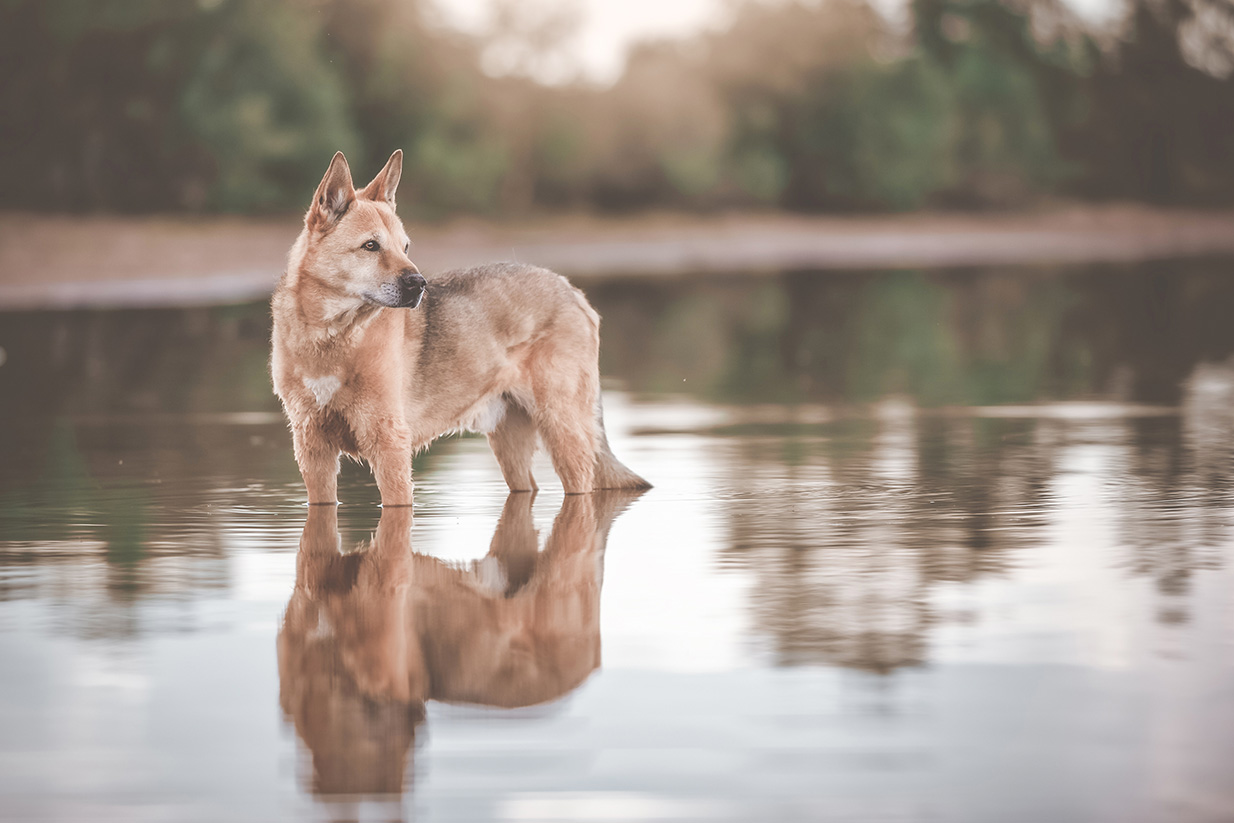
Physically, the Canaan Dog is a medium-sized, well-proportioned breed with a thick double coat that comes in various colors, including white, black, tan, and combinations of these. It has a distinct wedge-shaped head, erect ears, and a curled tail, which adds to its alert and dignified appearance.
The Canaan Dog is intelligent, independent, and protective, making it an excellent guard dog and companion. While it can be reserved or aloof with strangers, it is loyal and affectionate with its family, forming strong bonds with its owners. It is also good with children and other pets when properly socialized from a young age.
Training the Canaan Dog can be a challenge due to its independent nature, but it responds well to positive reinforcement and consistency. Early socialization is important to ensure the dog grows up to be well-adjusted and confident.
The Canaan Dog is an active and energetic breed that enjoys regular exercise, such as running, hiking, or playing. It thrives in environments where it can engage in mentally and physically stimulating activities, making it well-suited for active families or individuals who can provide ample attention and exercise.
Overall, the Canaan Dog is a loyal, intelligent, and versatile breed that excels as both a working dog and a family companion. With proper training, socialization, and regular exercise, it can be a devoted and loving addition to any home.
History
The Canaan Dog is an ancient landrace breed from the Middle East, particularly in the region that is now Israel. Semi-feral dogs of this type likely roamed the deserts and villages of the Levant for thousands of years, serving as livestock guardians and camp sentries for nomadic peoples. Archaeological evidence and biblical references suggest canines resembling the Canaan Dog existed in that area in ancient times, living in close association with human settlements while retaining much of their natural survival instincts. However, as modern towns and Western-style agriculture developed, many of these indigenous dogs were displaced into the Negev Desert and other remote areas.
The modern revival of the Canaan Dog is largely attributed to Dr. Rudolphina Menzel, an Austrian cynologist who emigrated to what was then British Mandate Palestine in the 1930s. She recognized the remarkable intelligence and adaptability of the pariah dogs living outside established communities. Menzel initiated a breeding program, capturing and domesticating select individuals to serve in roles ranging from guard duty to mine detection. Her efforts effectively codified the breed’s traits and temperament, transforming these once semi-feral dogs into recognized working animals and family companions. The breed caught international attention over subsequent decades, leading to recognition by kennel clubs such as the Fédération Cynologique Internationale (FCI) and eventually the American Kennel Club (AKC) in 1997.
Today, the Canaan Dog is celebrated for its keen intelligence, alert nature, and strong survival instincts—all hallmarks of its desert origins. Though still relatively rare worldwide, it remains Israel’s national breed and continues to represent a living link to the region’s ancient canine heritage. As guardians, companions, and skilled problem-solvers, Canaan Dogs carry forward the legacy of the hardy desert pariahs that roamed among nomadic tribes and biblical settlements millennia ago.
Appearance
Canaans are squarely built, moderate, and agile—more about endurance and quickness than bulk. They carry a wedge-shaped head with upright, mobile ears and an expressive, almond-shaped eye that gives a keen, watchful look.
The coat is a weather-resistant double coat with a straight outer coat and dense undercoat. Colors vary widely (including sand, red, cream, black, and various patterns), and the tail is typically bushy and carried over the back when the dog is alert or moving.
Colors
• Black
• Cream
• Golden
• Liver
• Red
• Tan
• White
Health
Canaan Dogs are generally considered a hardy breed, but responsible owners still plan for routine veterinary care, parasite prevention, and a healthy weight—extra pounds quickly add strain to joints and conditioning.
When choosing a breeder, ask about health screening practices and documented results. Breed communities commonly focus on orthopedic and eye health screening; even when overall rates of disease are not high, testing helps preserve the breed’s long-term soundness and helps owners avoid preventable surprises.
Care
The Canaan Dog’s double coat is functional and fairly easy to maintain: routine brushing helps keep the coat clean and reduces shedding, while seasonal “blow coat” periods may require more frequent brushing. Baths are usually only needed when truly dirty.
Like most athletic breeds, they benefit from daily exercise and purposeful activity, not just a quick potty walk. Keep nails trimmed, ears clean and dry, and prioritize dental care; a consistent, simple grooming routine is usually more successful than occasional intensive sessions.
Training
Canaan Dogs are smart and capable learners, but they often respond best to training that is calm, fair, and motivating. Short sessions with clear criteria, rewards they care about, and lots of successful repetitions tend to work better than heavy-handed corrections.
Because many Canaans are naturally wary, early and ongoing socialization is a cornerstone: pair new people, places, handling, and sounds with good experiences. Teaching reliable recalls, polite leash walking, and a "quiet" cue (plus a structured settle/relax behavior) can make a big difference for day-to-day life with this alert guardian breed.
Temperament
The breed is often described as intelligent, vigilant, and reserved with unfamiliar people. Many Canaan Dogs prefer to assess new situations first; they aren’t usually instantly friendly with everyone, but they can be very affectionate and “all in” with their family.
They commonly have strong environmental awareness and will announce changes—visitors, odd noises, or anything out of place—so early training around barking and boundaries matters. With proper socialization, they can live peacefully with respectful children and other pets, but many retain a protective streak and a tendency to be selective about dog friends.
Lifestyle
This is a “noticed everything” dog that tends to thrive with structure, a predictable routine, and a job—whether that’s training games, hiking, scent work, or simply being a serious household watchdog. They usually do best when they can spend a lot of time near their people rather than being left to entertain themselves.
Canaans can adapt to many home types, but they are often happiest when they have space to move and an owner who will meet their mental-exercise needs. If you want a universally social, low-alert dog, this may not be the best match; if you want a loyal, watchful companion, they can be a great fit.
Ownership
Prospective owners should be prepared for a dog that may be aloof with strangers and quick to alert. That’s not a flaw—it’s part of the breed’s identity—so the goal is management and training: controlled introductions, clear rules about visitors, and reinforcing calm behaviors.
Look for breeders who emphasize stable temperament and thoughtful socialization, and who are transparent about health testing and pedigree. Because the breed is relatively uncommon, it can take time to find the right litter or rescue placement; patience usually pays off with a better match and a better-supported puppy.
Interesting Facts
• National dog of Israel, developed from Middle Eastern pariah-type dogs.
• Medium-sized, athletic spitz-type build with upright ears and a bushy tail.
• Typically devoted to family but reserved and watchful with strangers.
• Double coat sheds seasonally; grooming is usually straightforward.
• Often excels when given a job (training sports, hiking, scent games, watchdog duties).
• A good match for experienced owners who enjoy training and steady socialization.