
Canadian Eskimo Dog
Basics
The Canadian Eskimo Dog (also called the Canadian Inuit Dog) is an ancient Arctic working breed developed alongside Inuit communities. For centuries these dogs were essential for hauling, packing, hunting support, and day-to-day survival in harsh northern conditions.
It’s a powerful, endurance-focused dog bred to work in a team and make its own decisions in challenging environments. In modern homes, they can be affectionate with their people, but they are not a casual “easy first dog” breed—most thrive with experienced handling, clear structure, and a serious outlet for their drive.
Description
The Canadian Eskimo Dog, also known as the Canadian Inuit Dog, is a powerful and resilient working breed originally used by Arctic peoples for sledding, hunting, and protection. This ancient breed is known for its strength, endurance, and independence, making it an excellent choice for tasks in extreme cold and rugged environments.
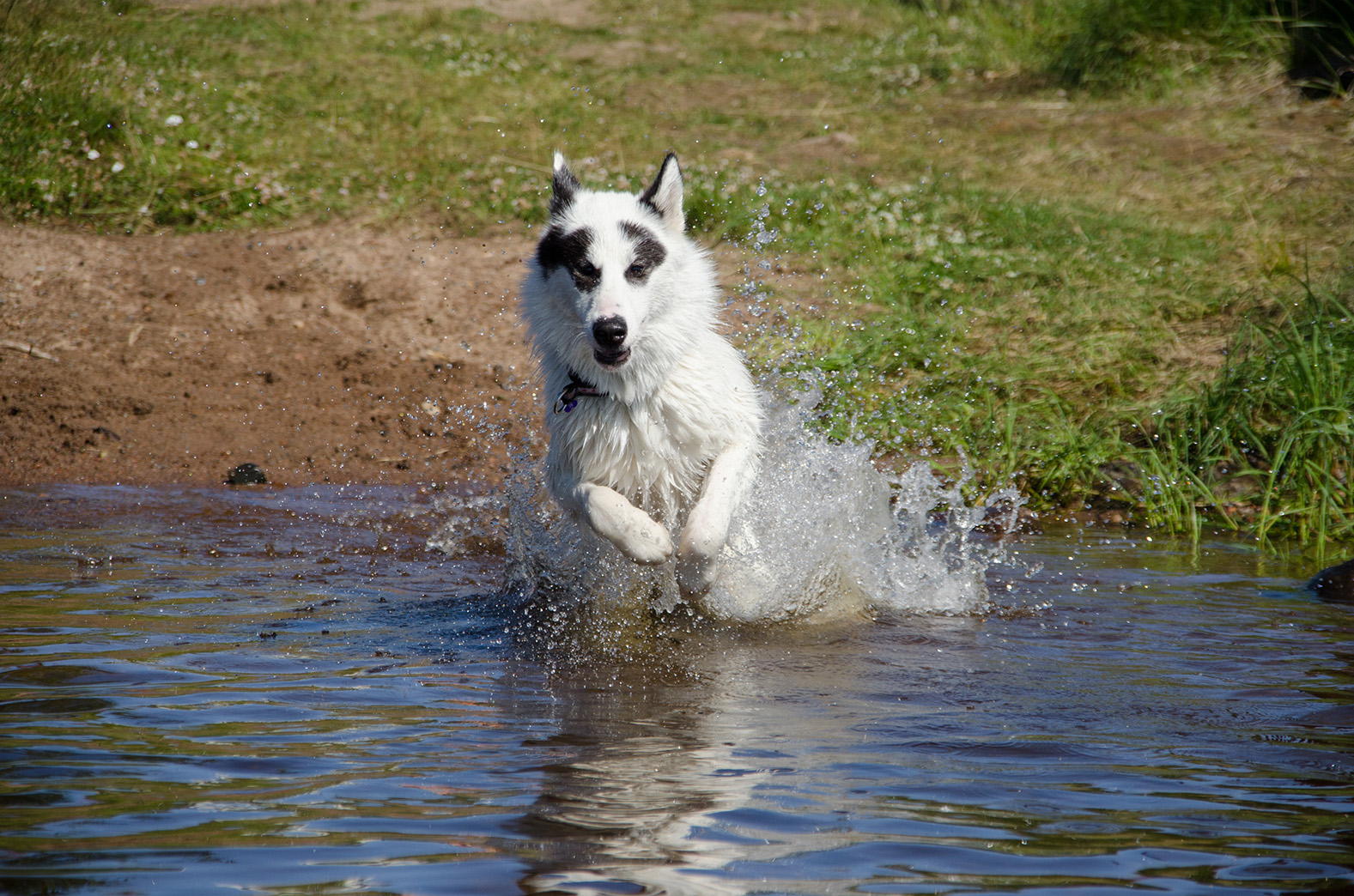
Physically, the Canadian Eskimo Dog is a large, muscular dog with a thick double coat that helps it withstand freezing temperatures. Its coat is usually dense and woolly, often seen in colors like black, white, gray, or sable, with a distinctive "mask" around the eyes. The breed has a bushy tail that curls over its back, erect ears, and piercing eyes that convey its alert and determined personality.
Temperamentally, the Canadian Eskimo Dog is intelligent, independent, and loyal. While it is often reserved with strangers, it is deeply devoted to its family and is known for being protective and affectionate. Early socialization is important, as this breed can sometimes be aloof or territorial. Despite its independent nature, it can form strong bonds with its owners and enjoys being part of family activities.
Training a Canadian Eskimo Dog requires patience and consistency. Though highly intelligent, it can be independent and somewhat stubborn, so a firm yet positive approach is necessary. This breed benefits from regular mental stimulation and physical activity to prevent boredom and ensure it remains well-behaved.
As an active working breed, the Canadian Eskimo Dog requires regular exercise and enjoys outdoor activities such as running, hiking, or pulling sleds. It thrives in environments where it can work and engage in physical tasks, making it ideal for experienced dog owners with an active lifestyle or those who can provide a lot of space.
Overall, the Canadian Eskimo Dog is a loyal, hardworking, and strong breed that excels in demanding environments. It is best suited for experienced dog owners who can meet its exercise needs and provide consistent training. With the right care, it can be a devoted and energetic companion.
History
The Canadian Eskimo Dog, also known as the Canadian Inuit Dog or *Qimmiq*, is one of North America’s oldest and rarest indigenous canine breeds. Archaeological and genetic evidence suggests that these dogs have accompanied the Inuit peoples for centuries—some estimates go back over 4,000 years—serving as indispensable companions in the Arctic. Inuit communities relied on them for transportation, hauling supplies, and aiding in hunting expeditions. Their robust build, thick double coat, and incredible stamina allowed them to thrive in one of the harshest climates on the planet. For many Inuit, the bond with their *Qimmiq* was a matter of survival; the dogs could detect thin ice, protect against polar bears, and travel long distances across ice fields or frozen tundra.
The breed experienced a significant decline in the mid-20th century, partly due to the growing use of snowmobiles and airplanes, which replaced dog-sledding as the primary means of Arctic transport. Also controversial were reported culling programs in northern communities, further decimating their numbers. By the 1970s, the Canadian Eskimo Dog was nearing extinction, prompting a few passionate advocates to initiate preservation programs. Organizations and dedicated breeders stepped in to preserve the breed’s genetic lines and re-emphasize their cultural and historical importance to Inuit heritage.
In modern times, the Canadian Eskimo Dog is still considered rare, even within Canada. Recognized by the Canadian Kennel Club (CKC), the breed is maintained by a small but committed group of breeders and enthusiasts who appreciate its singular combination of toughness, intelligence, and unwavering loyalty. While fewer are used for traditional Arctic work today, some still participate in sledding and polar expeditions, continuing a legacy that has shaped indigenous life in the high north for millennia. The Canadian Eskimo Dog stands as a living testament to resilience and partnership between humans and canines in one of the most demanding environments on Earth.
Appearance
This is a medium-sized but very strong spitz-type dog with substantial bone, deep chest, and a thick neck—built for pulling rather than speed. The head is wolf-like with a broader, more elevated forehead; the ears are erect, short, and thick, and the eyes are generally dark and set to give a keen, wild expression.
A dense double coat protects them from extreme cold. Males often carry a noticeable mane over the neck and shoulders, while females are typically smaller and more lightly coated. Coat colors and patterns are varied, and the tail is bushy and usually carried up or curled over the back.
Colors
• Black
• Black & White
• Grey
• Liver
• Red
• White
Health
As a primitive working breed, the Canadian Eskimo Dog is often described as hardy, but “hardy” doesn’t mean maintenance-free. Routine veterinary care, parasite prevention, and weight control are critical—extra weight quickly reduces athletic function and increases orthopedic risk.
When sourcing a puppy, ask what health screening is performed in that line and how the breeder tracks longevity and working soundness. Even without a long list of breed-specific issues, responsible screening and honest records help preserve a rare breed and protect buyers.
Care
Their coat is designed to shed snow and insulate, so grooming is usually about brushing and undercoat management rather than frequent bathing. Expect heavy seasonal shedding; consistent brushing during coat-blow periods keeps skin healthy and dramatically reduces hair around the home.
Daily physical work matters: long walks alone often aren’t enough for a dog bred to pull for hours. Nail trims, dental care, and regular ear checks should be routine, and keeping this breed lean and fit is one of the most important “care” decisions an owner can make.
Training
Training should start early and focus on cooperation without turning every interaction into a power struggle. Short, structured sessions with clear rules and meaningful rewards work better than repetitive drilling; these dogs are capable thinkers and tend to disengage if training feels pointless or unfair.
Prioritize leash skills, calm crating/settling, handling tolerance (feet, mouth, grooming), and controlled greetings. Because many individuals have strong dog-to-dog opinions, thoughtful socialization and management around other dogs is as important as obedience.
Temperament
Canadian Eskimo Dogs are typically pack-oriented, intense working animals. Many adults are gentle and affectionate with familiar people, but can be somewhat distant with strangers and easily “switched on” by excitement around food, play, or other dogs.
Because the breed was shaped for team work and survival, they may show strong social hierarchies and can be challenging with other dogs if boundaries aren’t managed. They generally do best with confident, consistent adults and careful supervision around children and small pets.
Lifestyle
This breed is best suited to a highly active lifestyle where the dog has a real job: pulling (where legal and safe), carting, conditioning hikes, or structured working-style training. Without enough outlet, many will invent their own “work,” which can look like escaping, destructiveness, or conflict with other dogs.
They generally fit better in rural/suburban setups than dense apartment living, and they need secure fencing and attentive supervision outdoors. They can be wonderful companions for the right handler, but they’re a serious commitment in time, space, and management.
Ownership
Owning a Canadian Eskimo Dog is closer to owning a working team dog than owning a typical pet. Plan for firm routines, clear household rules, and proactive management around other dogs—many owners find that keeping peace is as much about prevention as it is about training.
Because the breed is rare, choose breeders and clubs who prioritize temperament, stable pack behavior, and responsible placements. If your household can’t provide consistent exercise, secure containment, and experienced handling, a different northern breed (or a mixed-breed with lower drive) is usually a better match.
Interesting Facts
• Ancient Arctic working breed closely associated with Inuit communities.
• Built for power and endurance; traditionally used for hauling, packing, and hunting support.
• Spitz-type double coat with heavy seasonal shedding.
• Usually very pack-oriented; can be intense and not ideal as a child’s pet.
• Wide range of acceptable coat colors and patterns; tail typically curled/up over the back.
• Rare breed that has faced very low population numbers in modern times.