
Cesky Fousek
Basics
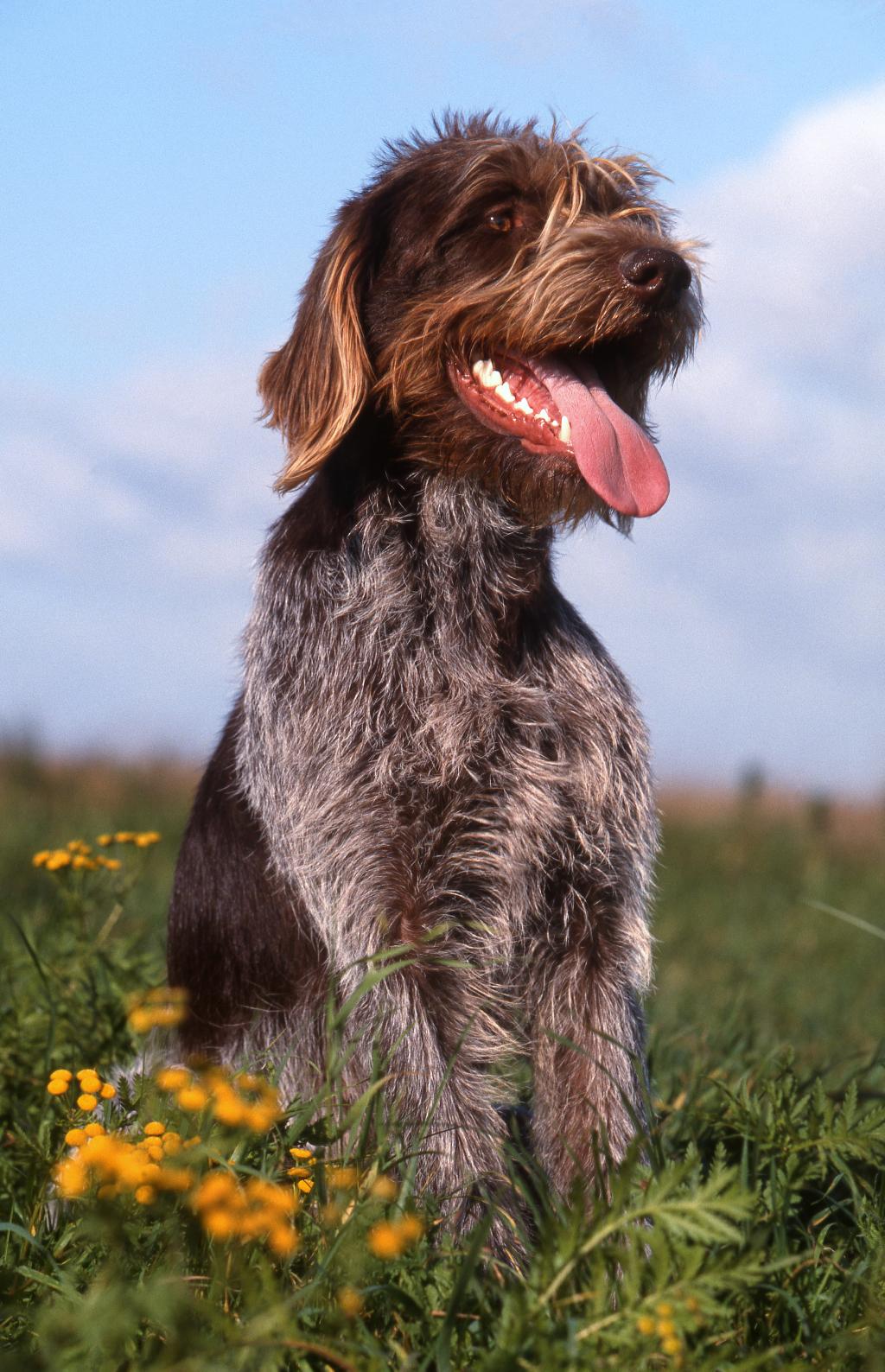
The Cesky Fousek (often described as the Bohemian Wire-Haired Pointing Griffon) is a medium-sized, wire-coated continental pointing dog developed in the Czech lands. It was valued as an all-around gundog and remains known as a versatile hunter able to work field, water, and woodland.
Historically, the breed was widespread in its home region before World War I, then nearly disappeared afterward. A deliberate regeneration effort rebuilt consistent type and working ability, and the Cesky Fousek is still used primarily as a practical, multipurpose hunting companion.
Description
The Cesky Fousek, also known as the Czech Pointer, is a versatile and intelligent hunting dog breed from the Czech Republic. Known for its excellent tracking abilities and adaptability, the Cesky Fousek excels in a variety of hunting tasks, including pointing, retrieving, and tracking both upland game and waterfowl.
Physically, the Cesky Fousek is a medium-sized dog with a strong, athletic build. It has a distinctive wiry, dense coat that is typically brown or liver in color, with a slightly rough texture. Its coat provides protection in harsh outdoor conditions, and the breed also features a bushy beard and eyebrows, adding to its distinctive appearance. The Cesky Fousek has an alert, intelligent expression with a broad head, well-set ears, and a strong tail that is often carried in an upright position.
Temperamentally, the Cesky Fousek is friendly, calm, and affectionate with its family. It is known for its strong work ethic and is highly trainable, making it an excellent choice for both experienced hunters and families. The breed is generally good with children and other pets, especially when properly socialized from an early age. It can be reserved with strangers but is not aggressive.
Training the Cesky Fousek is relatively easy due to its intelligence and eagerness to please, although it does require consistent, positive reinforcement. This breed thrives on regular exercise and mental stimulation, making it a great choice for active owners or hunters who need a versatile and reliable working dog.
Overall, the Cesky Fousek is a loyal, intelligent, and hardworking breed that excels in the field as a hunting companion. With proper training, socialization, and regular activity, it can also make an affectionate and well-behaved family pet.
History
The Cesky Fousek is a versatile and historic gundog breed originating from the Czech Republic, with roots tracing back several centuries. The name "Fousek" refers to the breed's distinctive facial furnishings, meaning "whiskered" or "bearded" in Czech. Known for its hunting abilities, intelligence, and adaptability, the Cesky Fousek was traditionally used by hunters in Bohemia and surrounding regions for a variety of game, including birds and small mammals. Its wiry coat, strong build, and keen sense of smell made it well-suited to the challenging terrains and climates of Central Europe.
During the late 19th and early 20th centuries, the Cesky Fousek faced challenges due to the decline of traditional hunting practices and the introduction of other hunting breeds. By the end of World War I, the breed was nearly extinct, as industrialization and social changes reduced the need for working dogs. However, a dedicated group of Czech breeders recognized the breed’s historical and cultural significance and undertook efforts to revive it. Using remaining Cesky Fouseks and carefully selected similar breeds, they worked to restore the population while maintaining its characteristic traits.
The Cesky Fousek was officially recognized by the Czechoslovak authorities in the mid-20th century and gained international recognition as a versatile hunting dog. It is often classified as a pointer due to its role in locating and retrieving game. Today, the breed is celebrated not only in the Czech Republic but also across Europe and North America, where it is valued for its work ethic, trainability, and loyalty.
While the Cesky Fousek remains a popular choice among hunters, it is also cherished as a family companion. Its history reflects the breed's resilience and the efforts of breeders who worked tirelessly to preserve this unique and versatile dog. The Cesky Fousek stands as a testament to the enduring bond between humans and their canine partners in work and companionship.
Appearance
The Cesky Fousek is built for endurance: a medium, athletic dog with a firm back, deep chest, and balanced angulation for efficient movement at trot. The head is long and somewhat narrow with a moderately arched nasal bridge, and the expression is typically kind and keen.
The coat is a functional “three-layer” system: a soft, dense undercoat plus a harsh, close-fitting topcoat, with longer straight guard hair that protects the body in cover and cold water. Distinctive furnishings include pronounced eyebrows and a beard.
Common colors include dark roan (with or without brown patches), brown with ticking on the forechest and lower legs, and solid brown. Breed standards describe dark brown nose pigment, and compact “spoon-shaped” feet with noticeable webbing between the toes.
Colors
• Brown
• Brown w/ Tick
• Dark Roan
• Dark Roan w/ Patch
• Roan
Health
No breed is “zero-maintenance,” and the Cesky Fousek is best supported with proactive screening and sensible conditioning. Choose breeders who can document health testing appropriate for an active, medium-to-large sporting dog, and who prioritize stable temperament alongside field ability.
Keep joints and soft tissue healthy by managing body condition (lean is protective), building fitness gradually, and avoiding repetitive high-impact exercise in young dogs. Warm-ups before hard work and rest days after heavy hunting can reduce overuse injuries.
Working in water and dense cover also means you should watch for ear infections, minor eye irritation, and small skin wounds. Regular veterinary care, parasite prevention, and prompt attention to limping or persistent soreness help keep an athletic dog performing comfortably.
Care
Plan on consistent coat care. The harsh outer coat and furnishings can trap burrs and seeds, so a quick post-hunt (or post-hike) comb-out helps prevent mats, skin irritation, and foxtail problems. Many owners keep the coat tidy with periodic trimming or hand-stripping to maintain texture.
Because this is a versatile sporting breed, daily exercise is not optional: brisk off-leash runs in safe areas, structured retrieving, tracking/scent games, and swimming are all good outlets. A short “potty walk” won’t meet the breed’s needs.
Routine maintenance should include nail trims, dental care, and ear checks/cleaning—especially after water work. After time in heavy cover, check eyes, paw pads, and the webbing between toes for debris and small cuts.
Training
The Cesky Fousek tends to learn quickly when training is fair, consistent, and purposeful. Because the breed is built for cooperation in hunting, many respond well to positive reinforcement paired with clear boundaries and short, focused sessions.
Start early with socialization, crate training, and leash manners, then move into strong foundations: recall, impulse control, and a solid “place/settle.” For many individuals, building a reliable recall around birds and scent is the biggest long-term project.
Channel drive into work the breed was made for—pointing foundations, retrieving to hand, tracking, and water confidence. If you hunt, thoughtful introduction to birds and gunfire (with patience and proper progression) is key to producing a steady, confident dog.
Temperament
In the field, the Cesky Fousek is intensely purpose-driven: a dog bred to hunt, point, and work through challenging terrain and water with persistence. That working intensity shows up as high motivation, strong scenting interest, and a tendency to stay “on task” once engaged.
At home, well-bred, well-exercised individuals are typically devoted to their people and responsive to training. Breed standards emphasize that, despite strong hunting instincts (and a traditional sharpness toward vermin), the Cesky Fousek should be biddable and closely connected to its handler.
They do best with early socialization and clear routines. Without enough daily activity and mental work, many will invent their own jobs—often through roaming, barking, or destructive chewing.
Lifestyle
This is a breed for active households. The Cesky Fousek is happiest with a job—upland hunting, waterfowl work, tracking, or frequent long outings that mimic that purpose. A securely fenced yard is helpful, but it won’t replace structured exercise and training.
They generally fit best in homes that enjoy the outdoors and can provide daily mental stimulation. Apartment living can work only if the owner is exceptionally committed to exercise, enrichment, and preventing nuisance behaviors.
Because of their hunting background, supervision around small pets and wildlife is important. With training and early exposure, many live well with other dogs, but they still need guidance to switch from “hunt mode” to “family mode.”
Ownership
Prospective owners should expect a serious sporting dog: energetic, intelligent, and often “busy” in mind and body. The best match is an owner who enjoys training, can provide regular off-leash or working outlets, and appreciates a dog that thrives on partnership.
Seek responsible breeders who can explain their breeding goals, prove working aptitude, and support buyers with mentorship. Because the breed’s identity is tied to function, litters produced from evaluated working stock (and sound structure) are an important part of preserving what makes a Cesky Fousek a Cesky Fousek.
Ownership also means planning for grooming, travel/field logistics, and realistic time investment. If you want a low-exercise, low-drive companion, this probably isn’t the right breed; if you want a versatile teammate for the field and an engaged companion at home, it can be a rewarding choice.
Interesting Facts
- Also known as the Bohemian Wire-Haired Pointing Griffon (Cesky Fousek), a versatile continental pointing dog.
- Bred to work in field, water, and woodland; breed standards describe it as a multipurpose gundog.
- Recognized by the United Kennel Club (UKC) on January 1, 1996.
- Distinctive wire coat with eyebrows and a beard; many have a traditionally docked tail (docking is not required for UKC events).
- Typical colors include dark roan (with or without brown patches), brown with ticking, and solid brown.
- Breed standards note compact “spoon-shaped” feet and noticeable webbing between the toes.