
Chihuahua
Basics
The Chihuahua is a tiny companion breed associated with the Mexican state of Chihuahua and best known for outsized confidence in a very small package. Many are intensely devoted to one person or one household and prefer to be carried or close to their people rather than left out of the action.
Because they’re so small and quick, they can be surprisingly athletic indoors, but they still benefit from daily “real world” walks for sniffing and social exposure. Their size also means everyday risks are different: falls, rough handling, and encounters with larger dogs can cause injuries that wouldn’t faze bigger breeds.
Description
The Chihuahua is one of the smallest and most iconic dog breeds, celebrated for its lively personality, big expressive eyes, and signature apple-shaped head. Originating from Mexico, Chihuahuas are believed to descend from the Techichi, a companion dog of ancient civilizations like the Toltec and Aztec. Despite their tiny stature, they are known for their outsized personalities and unwavering loyalty to their owners.
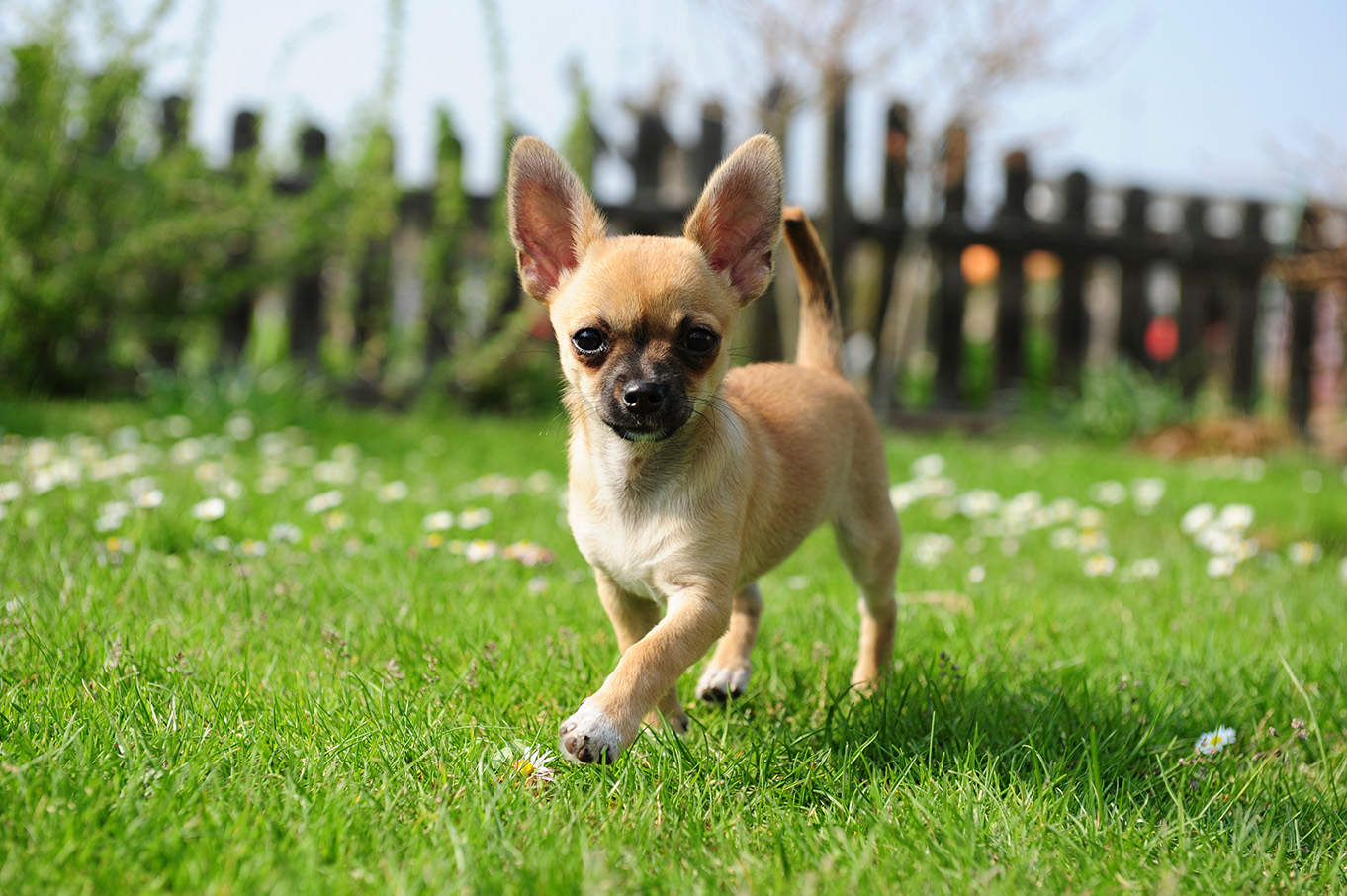
Typically weighing between 2 to 6 pounds and standing 6 to 9 inches tall, Chihuahuas are compact and portable, making them well-suited for urban living or life on the go. They come in a variety of coat types, including smooth and long-haired, and their colors span a wide spectrum, from solid black or white to multicolored patterns. Their large, upright ears and round, prominent eyes give them a distinctive appearance that adds to their charm.
Chihuahuas are affectionate and bond closely with their families, often forming a particularly strong attachment to one person. They are alert and quick-witted, making them excellent watchdogs, though they can sometimes be overly vocal. Their fearless nature belies their size, as they often act as though they are much larger than they are. While their bravery can be endearing, it also requires careful socialization to prevent overprotective or territorial behaviors.
Despite their small size, Chihuahuas are surprisingly energetic and enjoy short bursts of activity. A daily walk or indoor play session is usually sufficient to meet their exercise needs. They thrive on attention and enjoy being part of the family, whether lounging on a lap or joining in on an adventure. However, they can be sensitive to cold weather due to their small size and short coats, often benefiting from sweaters or coats in chilly conditions.
With proper care, training, and socialization, Chihuahuas can live long and healthy lives, often reaching 14 to 18 years of age. Their devotion, charm, and adaptability make them beloved companions for those seeking a small dog with a big heart and personality.
History
The history of the Chihuahua is both fascinating and steeped in mystery, tracing its origins back to ancient civilizations in what is now Mexico. It is widely believed that Chihuahuas descended from a small companion dog known as the Techichi, which was kept by the Toltec people as far back as the 9th century. The Techichi was prized for its companionship and held spiritual significance, often featured in religious ceremonies and associated with the afterlife.
When the Aztecs rose to power in the 14th century, they adopted the Techichi and further refined the breed. The Aztecs believed these small dogs had mystical powers, including the ability to guide souls to the afterlife, heal the sick, and ward off evil spirits. Archaeological findings, including dog effigies and statues resembling Chihuahuas, confirm the breed’s presence in ancient Mesoamerican culture. However, with the fall of the Aztec Empire to Spanish conquistadors in the 16th century, much of the breed's early history was lost.
In the mid-19th century, small dogs resembling modern Chihuahuas were rediscovered in the Mexican state of Chihuahua, from which the breed gets its name. American travelers and dog enthusiasts began to bring these tiny dogs to the United States, where their popularity quickly grew. Early breeders worked to standardize the breed, emphasizing its distinctive traits such as its apple-shaped head, large eyes, and small size.
The Chihuahua was officially recognized by the American Kennel Club (AKC) in 1904, and its popularity surged throughout the 20th century. Its small size, charming personality, and cultural significance made it a favorite among dog lovers. In popular culture, the Chihuahua gained additional fame through its association with Mexican heritage, appearances in movies, and even as a mascot in advertising campaigns.
Today, the Chihuahua is celebrated not only for its unique appearance and vibrant personality but also as a symbol of enduring connection to ancient civilizations. Its rich history, blending myth, culture, and modern appeal, continues to captivate dog enthusiasts around the world.
Appearance
Chihuahuas are compact little dogs with a distinctive head profile. The breed standard calls for a rounded “apple dome” skull, large erect ears, and a moderately short muzzle, creating a bright, saucy expression.
Coats come in two varieties: smooth (close, glossy) and long (soft, flat to slightly wavy) with feathering on ears, tail, and legs. Color is wide open—solid, marked, or splashed—and the overall impression should be balanced and nimble rather than fragile or weedy.
Colors
• Black
• Black & Tan
• Black & White
• Black Sabled Fawn
• Black Sabled Silver
• Blue
• Blue & Tan
• Blue & White
• Blue Brindled Fawn
• Chocolate
• Chocolate & Tan
• Chocolate & White
• Chocolate Blue
• Chocolate Brindled Fawn
• Chocolate Sabled Fawn
• Cream
• Cream & White
• Fawn
• Fawn & White
• Fawn Brindled Black
• Gold
• Gold & White
• Red
• Red & White
• Silver
• Silver & White
• White
Health
Chihuahuas are generally long-lived, but their small size brings some predictable risks. Very small puppies can be prone to hypoglycemia if they miss meals, so breeders and vets often emphasize frequent, appropriate feeding early on.
Dental disease is common and can become severe without preventive care, so regular oral hygiene and veterinary monitoring are important. Like many small breeds, they can also experience issues such as patellar luxation or tracheal sensitivity; keeping them lean, using a harness instead of a collar, and staying current with wellness exams helps reduce strain and catch problems early.
Care
Grooming needs depend on coat type. Smooth coats usually do well with a weekly brush to lift loose hair, while long coats benefit from more frequent combing to prevent tangles in feathering and behind the ears. Regular nail trims and ear checks help keep this small breed comfortable.
Dental care is a major priority for many toy breeds, and Chihuahuas are no exception—consistent tooth brushing and routine veterinary dental guidance can prevent painful periodontal disease. Because they lose body heat quickly, many appreciate sweaters in cold weather and warm bedding at home.
Training
Start with socialization and handling skills: calm introductions to people, safe dogs, grooming, and being gently picked up. Short, upbeat sessions suit their attention span, and pairing cues with food rewards and play tends to work better than corrections.
House-training can take patience; many owners succeed by using a strict schedule, tiny high-value treats, and an easily accessible potty option (such as a grass patch or indoor system) for bad weather. Teaching “leave it,” “come,” and a polite “quiet” cue early also helps channel their alert-barker tendencies.
Temperament
Temperament is often described as alert and self-assured—“big dog” attitude in a pocket-size body. Many Chihuahuas bond tightly, enjoy lap time, and can be reserved with strangers unless they’re socialized early and kindly.
They can be bold around other dogs and may challenge much larger animals, so thoughtful management matters. In the home they’re typically playful and quick to learn, but a stubborn streak is common; they respond best to gentle, reward-based handling rather than pressure.
Lifestyle
This breed fits well in apartments and small homes as long as they get daily enrichment and safe outdoor time. A couple of short walks plus indoor games, trick training, and puzzle feeders usually meet both physical and mental needs.
They’re happiest when included—many dislike long stretches alone—and they do best in households that can protect them from accidental injury (busy feet, stair tumbles, or rough play). Cold climates require extra planning for warmth, and dog parks are often a poor match unless carefully controlled for size and behavior.
Ownership
Prospective owners should plan for “small dog logistics”: sturdy ramps or steps for furniture, safe travel carriers, and supervision around children. Families with very young kids may need to wait or choose a sturdier breed, since even well-meaning handling can hurt a toy dog.
Look for breeders who prioritize sound temperament and health screening, and who raise puppies with early socialization. If adopting, ask about the dog’s comfort with strangers and handling, and budget for long-term dental care, high-quality nutrition in small portions, and appropriate cold-weather gear.
Interesting Facts
- AKC recognition: 1904 (first registered Chihuahua was a smooth coat).
- Breed standard weight limit: not to exceed 6 pounds.
- Two coat varieties: smooth coat and long coat.
- Color: any color, solid, marked, or splashed.
- Many individuals strongly bond to one person/household and can be reserved with strangers.
- Cold-sensitive due to small size and rapid heat loss.