
Clumber Spaniel
Basics
The Clumber Spaniel is a large, heavy-boned flushing spaniel originally developed to push through dense cover and work quietly with its handler. Compared with other spaniels, the Clumber is more deliberate than speedy—built for endurance and steady, methodical hunting rather than quick quartering.
In the home, Clumbers are typically calm and dignified companions who form strong bonds with their people. They do best with families who enjoy a relaxed, affectionate dog and don’t mind the realities of a big spaniel: shedding, some drool, and a tendency to track in nature.
Description
The Clumber Spaniel is a distinctive and calm breed known for its hunting and retrieving abilities, particularly in upland bird hunting. Originating in England, the Clumber Spaniel is one of the oldest spaniel breeds, developed to work in dense cover and retrieve game over long distances.
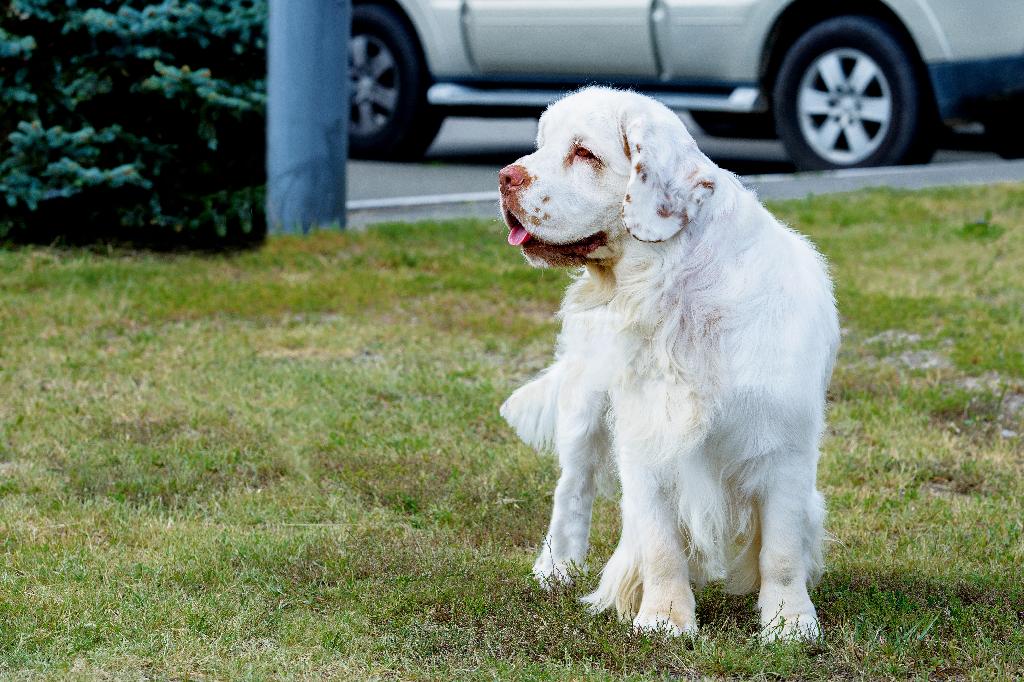
Physically, the Clumber Spaniel is a sturdy, medium-sized dog with a heavy, stocky build. It has a broad, expressive face with drooping eyes and a thick, long coat, usually white with orange or lemon markings. The breed's coat is dense and waterproof, providing protection during long hours of work in wet and rugged conditions. The Clumber Spaniel also has a unique, square-shaped body and short, strong legs.
Temperamentally, the Clumber Spaniel is known for its calm, easygoing nature. It is affectionate, loyal, and good-natured, making it a great companion for families and individuals. While not as energetic as some other spaniel breeds, the Clumber Spaniel is still a working dog at heart, and it enjoys regular walks and moderate exercise. It is also intelligent and eager to please, making it trainable, though it can be a bit stubborn at times.
The Clumber Spaniel is excellent at scenting and retrieving, excelling in fieldwork, particularly for hunting game like pheasants. However, it is also known to be gentle and patient, making it a great family dog that gets along well with children and other pets.
Overall, the Clumber Spaniel is a loyal, affectionate, and intelligent breed, well-suited for both hunting and companionship. With the right training and moderate exercise, it makes an excellent family pet and a dependable working dog.
History
The Clumber Spaniel is a distinguished and unique breed with a history steeped in aristocratic tradition. Believed to have originated in France, the breed’s development is often linked to the Duke of Newcastle, who brought the dogs to his estate at Clumber Park in Nottinghamshire, England, during the late 18th century. According to legend, French nobility gave their prized spaniels to the Duke during the French Revolution, and the breed was subsequently refined on English soil. While the exact origins remain somewhat unclear, the Clumber Spaniel was likely developed from a mix of Basset Hounds and other spaniels, resulting in its distinctive long, low, and sturdy build.
Clumber Spaniels were bred primarily for their abilities as hunting dogs, excelling in flushing and retrieving game birds in dense underbrush. Their methodical pace, keen sense of smell, and quiet demeanor made them ideal companions for English gentlemen engaged in shooting sports. By the mid-19th century, the Clumber Spaniel had become a favorite among the British aristocracy, including members of the royal family such as Prince Albert and later King Edward VII.
The breed was one of the earliest recognized by The Kennel Club in the United Kingdom when it was established in 1873. Clumber Spaniels were also among the first breeds introduced to North America, appearing in the United States during the 19th century. The American Kennel Club (AKC) officially recognized the breed in 1884, making it one of the first breeds in the AKC's registry.
Despite its initial popularity, the Clumber Spaniel’s numbers began to decline in the 20th century as hunting practices changed and faster breeds gained favor. However, dedicated breeders and enthusiasts have worked to preserve the breed’s unique characteristics and gentle temperament. Today, the Clumber Spaniel is cherished as a loyal companion and a show dog, maintaining its reputation for intelligence, affection, and a dignified, endearing charm. Its rich history reflects its role as both a working dog and a symbol of refinement.
Appearance
Clumbers are long, low, and powerfully built with substantial bone and a massive, square head. Their expression is thoughtful and a bit “pensive,” accentuated by heavy brows and deep-set, dark-amber eyes (some visible haw can be normal in the breed).
The coat is abundant, close, silky, and straight, with feathering on the legs and chest. Color is predominantly white, sometimes with lemon or orange markings; light head markings and freckling (ticking) on the muzzle are commonly accepted.
Movement is meant to be straight and efficient with strong drive—easy and workmanlike rather than flashy. Overall, the outline should communicate strength, balance, and the ability to beat through heavy underbrush for a full day.
Colors
• Lemon & White
• Orange & White
• White
Health
Clumber Spaniels are generally healthy, but like many large breeds they can be affected by orthopedic and endocrine issues. Hip dysplasia is seen in the breed, and responsible breeders commonly use screening and track health history across lines.
Breed clubs also note thyroid disease (hypothyroidism) and eyelid problems such as entropion and ectropion. Because the Clumber is a long-bodied dog, some may be predisposed to intervertebral disc disease; keeping them lean and fit is a practical, everyday risk reducer.
Immune-mediated hemolytic anemia (IMHA) has been reported in Clumbers, and breed health resources caution owners to discuss medication choices with their veterinarian (including avoiding sulfa drugs when appropriate). Working with breeders who participate in health programs and supporting ongoing research through breed health organizations can help owners make more informed choices.
Care
Clumbers have a dense, straight coat that benefits from regular brushing to manage shedding and to prevent tangles in feathering. Expect seasonal “blow coat,” and plan on wiping faces and ears after meals or drinks if drool is an issue.
Routine maintenance includes nail trims, dental care, and ear checks/cleaning. Their low set and ear leather can reduce airflow, so keeping ears dry and clean helps minimize irritation.
Exercise needs are moderate: daily walks plus some off-leash sniffing or retrieving (in safe areas) usually suit them well. Because they’re powerful and can gain weight easily, a consistent diet plan and measured treats are important for long-term joint and overall health.
Training
Clumbers respond best to patient, positive training with clear expectations and fair boundaries. They’re smart and often food-motivated, but they can be persistent and independent—so short, consistent sessions usually work better than drilling.
Start early with leash skills, polite greetings, and a reliable recall, especially because many Clumbers love following scents. Foundation cues paired with calm impulse-control games (waits, place work, trading items) fit the breed’s steady temperament.
Given their heritage as a quiet, determined worker, reward the behaviors you want and avoid harsh corrections that can make them shut down or resist. Training that channels their nose—simple tracking games, scent work, or structured retrieving—often brings out their best.
Temperament
A good Clumber Spaniel is steady, reliable, kind, and dignified. Many are a touch more reserved or aloof with strangers than other spaniels, but should not be sharp, timid, or aggressive.
They are intelligent, determined workers with a strong nose and a “quiet” style in the field. That same thoughtful determination can show up at home as a dog that prefers doing things at its own pace—affectionate and eager to be near you, but not typically frenetic.
With children and other household pets, Clumbers often do well when raised and managed thoughtfully. Because of their size and solid build, supervision and polite manners matter—especially around small kids and during greetings.
Lifestyle
Clumbers are typically happiest in a home that offers companionship and a predictable routine. They’re often content with moderate daily activity, but they do best when they can regularly use their noses—sniff walks, low-impact exploring, and occasional retrieving suit them.
They can adapt to suburban or even apartment living if their exercise and mental stimulation needs are met, but they’re not “set-and-forget” dogs. A bored Clumber may become stubborn, overly vocal, or mischievous in a slow, determined way.
Because they’re big, low, and strong, consider practical lifestyle details: they can struggle with lots of stairs, may need help in and out of vehicles as they age, and tend to bring debris indoors. A little management (mats by doors, towels, grooming tools handy) goes a long way.
Ownership
Prospective owners should be comfortable with a large spaniel’s day-to-day realities: shedding, some drool, and routine coat/ear care. Budget for preventive health screening, quality nutrition, and professional grooming help if you prefer to keep feathering neatly maintained.
Choose breeders who emphasize temperament, structural soundness, and health testing, and who can speak clearly about issues seen in the breed (hips, eyes, thyroid, and spinal concerns). Ask what screenings were done on the parents and how they raise and socialize puppies.
If adopting, look for rescues or breed clubs that understand Clumber-specific needs. Set the dog up with low-impact exercise, weight management, and early training—Clumbers thrive with kind consistency and close family involvement.
Interesting Facts
- Breed type: a large, long-bodied flushing spaniel developed for steady work in heavy cover.
- Typical size: males about 18–20 in. tall and 70–85 lb; females about 17–19 in. and 55–70 lb.
- Coat/color: straight, dense, silky coat; predominantly white with lemon or orange markings.
- Temperament snapshot: steady, kind, dignified; often more reserved than many other spaniels.
- Noted health considerations: hips, eyelids (entropion/ectropion), thyroid disease, and possible disc issues in some dogs.
- Lifestyle note: moderate exercise plus lots of sniffing/brain work; weight management is especially important.