
Coton de Tulear
Basics
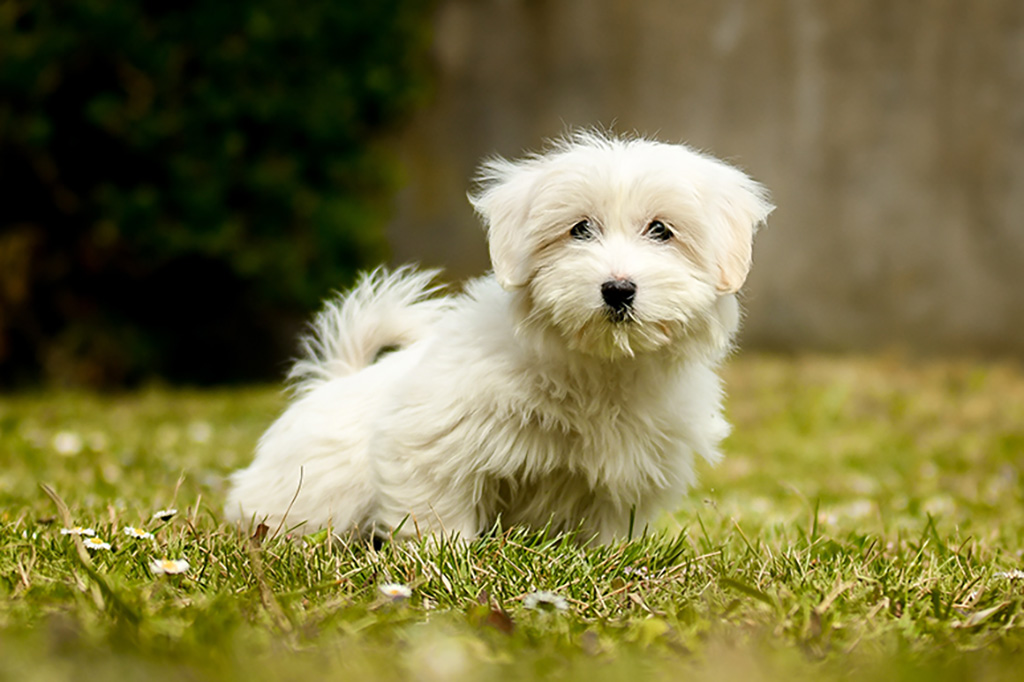
The Coton de Tulear is a small companion dog from Madagascar, named for its hallmark “cottony” coat and the port city of Tulear (Toliara). Often nicknamed the “Royal Dog of Madagascar,” the breed is cherished for a sunny disposition—bright, sociable, and famously devoted to following its favorite person from room to room.
Cotons are compact and sturdy for their size, bred primarily to be close family companions. They usually thrive in homes that enjoy interaction, gentle play, and a dog that wants to be involved in everyday life rather than left on the sidelines.
Description
The Coton de Tulear is a small, charming companion dog known for its soft, fluffy coat, lively personality, and strong bond with its family. Often called the “Royal Dog of Madagascar,” this breed originated on the island of Madagascar, where it was cherished by the local aristocracy. Standing about 9 to 11 inches tall and weighing 8 to 15 pounds, the Coton de Tulear is a sturdy but elegant toy breed. Its most distinctive feature is its cotton-like coat, which gives the breed its name. The coat is typically white, sometimes with hints of gray or tan on the ears or body.
This breed is adored for its affectionate and playful nature. Cotons thrive on companionship and are known for their ability to form strong, lasting bonds with their families. They are intelligent and eager to please, making them relatively easy to train. Their playful antics and cheerful disposition often earn them the nickname “clown dogs.” While they are energetic and enjoy playtime, they are also content to relax and cuddle with their owners, making them well-suited to a variety of lifestyles.
The Coton de Tulear is hypoallergenic and has a low-shedding coat, making it a great choice for allergy sufferers. However, its long, soft coat requires regular grooming to prevent matting and keep it looking its best. These dogs are adaptable and do well in both apartments and larger homes, provided they receive daily exercise and attention. They are generally good with children and other pets, making them excellent family companions.
With their unique appearance, loving temperament, and engaging personality, the Coton de Tulear has gained popularity around the world. Whether as a loyal lapdog or an active playmate, this breed brings joy and warmth to any household lucky enough to have one. Their rich history and natural charm ensure their enduring appeal among dog enthusiasts.
History
The Coton de Tulear has a fascinating and somewhat mysterious history that begins on the island of Madagascar, where it is believed to have originated centuries ago. The breed’s name reflects its defining characteristics: “Coton” refers to its cotton-like coat, and “Tulear” refers to the coastal town of Toliara (formerly Tulear) in southwestern Madagascar. The exact origins of the breed are not well-documented, but it is thought that small companion dogs arrived on the island with European traders, sailors, or pirates in the 16th or 17th century. Over time, these dogs adapted to their new environment, eventually evolving into the Coton de Tulear.
The breed became highly valued by the ruling Merina aristocracy in Madagascar, where it was considered a symbol of wealth and status. Cotons were treated like royalty, living in luxury and serving as devoted companions to nobility. They were so highly prized that commoners were often forbidden from owning them. Despite their regal status, Cotons retained their playful and resilient nature, making them both charming and hardy companions.
In the mid-20th century, the Coton de Tulear was introduced to Europe, where it quickly gained popularity for its unique appearance and affectionate personality. French travelers and colonialists played a key role in bringing the breed to international attention, particularly in France and Belgium. By the 1970s, the breed had also made its way to the United States, where it began to establish a devoted following.
The American Kennel Club (AKC) officially recognized the Coton de Tulear as a breed in 2014, further cementing its status as a beloved companion dog worldwide. Today, the Coton de Tulear is celebrated for its rich history, endearing traits, and versatility as a family pet. Its journey from the shores of Madagascar to homes around the globe reflects its adaptability, charm, and enduring appeal.
Appearance
A Coton de Tulear is small and slightly rectangular, with a soft expression, round dark eyes, and drop ears carried close to the cheeks. The body is well-proportioned and balanced, designed for lively movement rather than fragility.
The defining feature is the dense, profuse coat: very soft, supple, and “cottony” in texture, typically straight to slightly wavy. The ground color is predominantly white, with some allowances in certain standards for light gray or light fawn shading (often on the ears), as long as the overall impression remains a white dog.
Colors
• Black & White
• Tricolored
• White
• White w/ Tan Markings
Health
Like many small breeds, Cotons benefit greatly from proactive dental care and weight management. A compact dog carrying extra weight is more likely to develop joint strain and reduced stamina, so keeping them lean is a practical long-term health investment.
Responsible breeders should discuss health screening and family history, and owners should maintain routine veterinary care, parasite prevention, and timely grooming to prevent skin issues under mats. If you notice eye discharge, ear irritation, or scratching, address it early—dense coats can hide developing problems.
Care
Regular grooming is essential. The coat’s softness and density mean it can mat easily if neglected, so plan on frequent brushing and combing, plus periodic bathing and thorough drying. Many pet owners choose a shorter trim for easier maintenance, but even a clipped coat needs routine care to prevent tangles close to the skin.
Daily care also includes dental hygiene, nail trims, and checking ears for debris or moisture. Exercise needs are moderate: short walks and indoor play are usually plenty, but Cotons benefit from mental stimulation—training games, scent work, and puzzle toys—to keep them content and well-mannered.
Training
Coton de Tulears are often eager to please and respond well to positive reinforcement. Keep training upbeat and consistent, using rewards and clear expectations rather than harsh corrections, which can make a sensitive companion dog shut down.
Prioritize house-training routines, calm greetings, and cooperative grooming skills (standing still for brushing, accepting handling, and tolerating blow-drying). Short, frequent sessions—plus early socialization—build a confident Coton who can travel, meet guests politely, and enjoy grooming without stress.
Temperament
Cotons are typically happy, stable, and people-oriented—often described as cheerful little clowns who like to play and then settle in close. They tend to be sociable with family and can do well with other dogs when properly introduced.
Because they bond strongly, they can become overly dependent or vocal if they’re under-socialized or routinely left without enrichment. Early exposure to visitors, grooming handling, and varied environments helps keep their friendly nature from turning into suspicion or nuisance barking.
Lifestyle
Cotons adapt well to apartment or house living as long as they’re treated as true companions. They enjoy being near their people, participating in family routines, and getting a mix of gentle exercise and play.
They can be good travel partners because of their size and friendly demeanor, but they don’t thrive on long periods of isolation. If your schedule is busy, plan for enrichment (toys, training, a dog walker, or daycare) so their need for company doesn’t turn into separation-related behaviors.
Ownership
A Coton de Tulear is a great choice for someone who wants a cheerful “follow-me” companion and is prepared for regular grooming. Coat care isn’t optional—whether you keep a longer coat or a short pet trim, you’ll need a plan for brushing, bathing, and professional grooming as needed.
When choosing a puppy or rescue, look for a stable, friendly temperament and ask detailed questions about coat maintenance, health history, and how the dog has been socialized. With consistent grooming, gentle training, and lots of together time, a Coton is typically an affectionate, funny little dog that fits smoothly into family life.
Interesting Facts
- Originated in Madagascar; the name comes from “coton” (cotton) and the port of Tulear/Toliara.
- UKC notes the breed’s historical nickname “Royal Dog of Madagascar.”
- UKC recognized the Coton de Tulear on January 1, 1996.
- Proper coat is a hallmark: soft, supple, and cottony, straight to slightly wavy.
- Predominant coat color is white; some standards allow limited light gray or light fawn shading, often on the ears.