
Deutsch Drahthaar
Basics
The Deutsch Drahthaar (often grouped in the U.S. with the German Wirehaired Pointer) was developed in Germany as a versatile, all-purpose hunting dog. Breeders aimed for a tough, weather-resistant coat, strong nose and tracking ability, and the drive to work both before and after the shot.
Unlike many companion-first breeds, the Drahthaar’s identity is closely tied to field performance. In many countries, breed organizations emphasize working aptitude, stability, and cooperation with the handler, and the dog tends to be happiest when it has a real job to do.
Description
The Deutsch Drahthaar, also known as the German Wirehaired Pointer, is a highly skilled and versatile hunting dog breed originating in Germany. Bred for its ability to work in a variety of terrains and weather conditions, it is renowned for its strong tracking abilities, endurance, and ability to hunt both upland game and waterfowl.
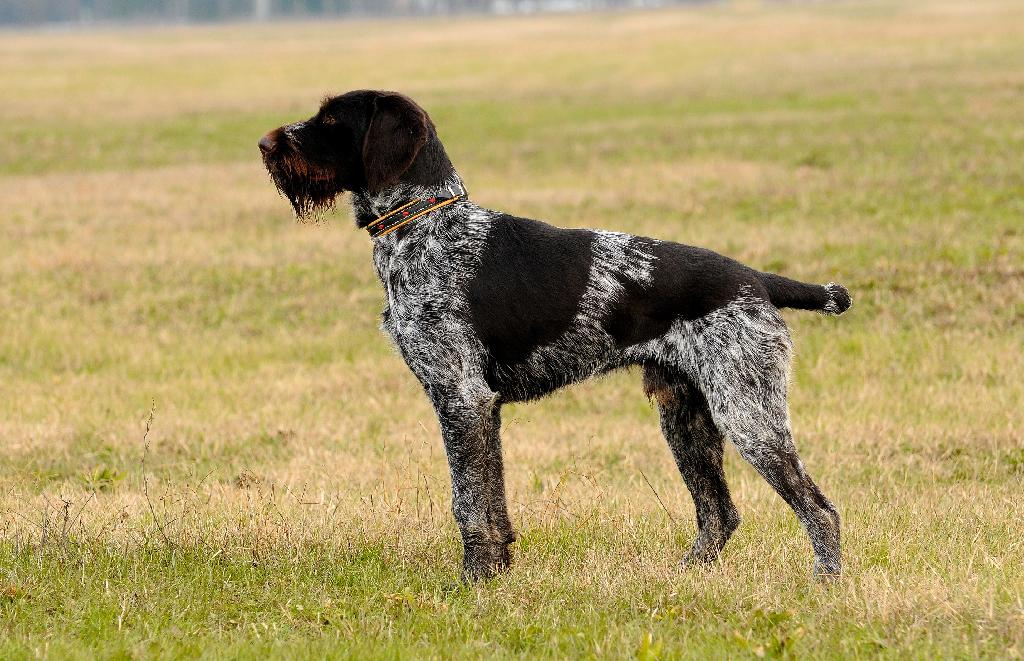
Physically, the Deutsch Drahthaar is a medium to large-sized dog with a robust, athletic build. It has a distinctive wiry, dense coat that is typically brown or liver-colored, with some dogs having a mix of white or black markings. The coat is water-resistant, providing protection in harsh outdoor environments. The breed has a strong, noble appearance with a slightly angular head, expressive eyes, and well-set ears. Its tail is often docked in countries where it is legal, and it carries it in an upright position when active.
Temperamentally, the Deutsch Drahthaar is known for its intelligence, loyalty, and strong work ethic. It is an independent thinker, which can sometimes make training a challenge, but it is also eager to please and highly trainable when handled consistently. The breed is generally good-natured, friendly, and sociable with family members but can be reserved or aloof with strangers. Deutsch Drahthaars tend to be excellent with children and other pets when properly socialized.
As a working dog, the Deutsch Drahthaar excels in field trials, retrieving, and pointing, and is known for its keen nose and natural hunting instincts. It is also highly energetic and requires regular physical and mental exercise to stay happy. Without sufficient stimulation, the breed may become bored or destructive.
Overall, the Deutsch Drahthaar is an intelligent, hardworking, and versatile breed that excels in both hunting and as a companion for active owners. With the right training, socialization, and regular exercise, it makes a loyal and energetic pet.
History
The Deutsch Drahthaar, or German Wirehaired Pointer, is a versatile hunting breed that originated in Germany during the late 19th and early 20th centuries. The breed was developed with the goal of creating a rugged, all-purpose hunting dog capable of working in a variety of terrains and conditions. Breeders aimed for a dog that could track, point, and retrieve on both land and water, making it an invaluable companion for hunters. The name "Drahthaar" translates to "wire hair," referring to the breed’s characteristic dense, wiry coat that provides protection from harsh weather and rough vegetation.
The breed's foundation is a combination of several breeds known for their hunting abilities, including the German Shorthaired Pointer, the Griffon, the Pudelpointer, and the Stichelhaar. By carefully blending these breeds, German breeders succeeded in producing a dog that was not only versatile but also distinguished by its endurance, intelligence, and trainability. The Deutsch Drahthaar was standardized in accordance with rigorous breeding guidelines set by the Verein Deutsch-Drahthaar (VDD), a breed club founded in 1902. These standards emphasize both the dog’s physical traits and its working capabilities, ensuring the breed remains true to its purpose as a functional hunting dog.
The Deutsch Drahthaar gained popularity in Germany and neighboring countries, prized for its effectiveness in hunting upland game, waterfowl, and even larger game like deer. Its adaptability to diverse environments, combined with its loyal and eager-to-please nature, further cemented its reputation among hunters. Unlike many breeds that experienced significant declines during the world wars, the Deutsch Drahthaar's population was maintained thanks to its utility in hunting and the dedicated efforts of breeders.
Today, the Deutsch Drahthaar is recognized worldwide, with a strong presence in Europe and North America. It remains a favorite among hunting enthusiasts who value its versatility and work ethic, while also serving as a devoted family companion for those who can meet its exercise and training needs. The breed’s history is a testament to the dedication of its creators and the enduring appeal of a dog bred for both form and function.
Appearance
This is an athletic, medium-to-large gundog built for endurance: strong bone, good depth of chest, and a balanced outline suited to covering ground all day. The head is clean and functional, and the breed is often recognized by its pronounced eyebrows and beard.
The hallmark is the harsh, wire coat with a dense undercoat designed to shed water and protect from brush and cold. Color is commonly liver/roan or liver with white ticking or patches, giving practical field camouflage while still being easy to spot at distance.
Colors
• Black & White
• Liver
• Liver & White
Health
Deutsch Drahthaars are generally robust, but like many medium-to-large sporting breeds they can be prone to orthopedic issues such as hip (and sometimes elbow) dysplasia. Responsible breeders typically use health testing and thoughtful selection to reduce risk.
Active dogs also face “wear-and-tear” problems: paw and pad injuries, torn nails, and cuts from brush, plus ear irritation after water work. A proactive relationship with a veterinarian—along with conditioning, sensible workload increases, and routine parasite prevention—helps keep a hard-working dog sound over the long run.
Care
Plan on regular coat maintenance rather than constant shedding control. The harsh outer coat benefits from brushing and occasional hand-stripping or stripping-style grooming to keep texture and reduce matting, especially around the face, legs, and undercarriage.
Daily care also includes the basics of an active sporting dog: nail trims, dental hygiene, and ear checks/cleaning (particularly after swimming or running through wet cover). Because these dogs thrive on movement, weight control is often easiest when diet is paired with consistent exercise.
Training
They tend to be intelligent, persistent problem-solvers—great traits in the field, but they require clear rules and follow-through. Training works best when it’s structured, fair, and engaging, using rewards, play, and purposeful tasks rather than repetitive drilling.
Start early with recall, impulse control, and calm behavior around wildlife, then build on that foundation with retrieving, tracking, and steadiness work. Many do best with an experienced handler or a trainer who understands versatile hunting dogs and can channel drive into cooperation instead of conflict.
Temperament
A well-bred Deutsch Drahthaar is energetic and intensely purposeful outdoors, then settles more readily when its needs are met. Many are affectionate and people-oriented with their family, but they’re typically not “easygoing couch dogs” without daily work or structured activity.
As a hunting breed, they often have a strong prey drive and can be bold and persistent when scent or movement triggers them. With early socialization and consistent leadership, they’re usually stable, confident companions; without it, their intensity can show up as pushiness, chasing, or nuisance barking.
Lifestyle
This breed is built for an active life: long hikes, runs, field work, and advanced training sessions suit them far better than short neighborhood walks. They’re usually happiest in a home that can provide daily exercise plus mental work (scent games, retrieving drills, structured obedience).
Space helps, but the bigger factor is time and purpose. Without enough outlets, a Drahthaar can become restless and destructive; with enough work, many are pleasant house companions who enjoy being close to their people between outings.
Ownership
A Deutsch Drahthaar is a great match for hunters and highly active owners who want a versatile partner and are prepared to train consistently. Expect a dog that notices everything, learns quickly, and will test boundaries if rules are unclear.
Before committing, consider how you’ll manage prey drive, off-leash reliability, and daily exercise—especially in suburban settings with wildlife and distractions. If you want a calmer, lower-drive companion, a different breed (or a less intense sporting breed) is often a better fit than hoping this one will “grow out of it.”
Interesting Facts
• Origin: Germany; developed as a versatile, all-around hunting dog.
• Coat: harsh, wire outer coat with dense undercoat; distinctive beard and eyebrows.
• Drive: typically high energy and strong prey drive—needs daily work and structure.
• Skills: known for versatility (pointing, retrieving, tracking, and work after the shot).
• Also known as: often associated with the “German Wirehaired Pointer” name in the U.S.