
English Springer Spaniel
Basics
The English Springer Spaniel is a medium-sized sporting “gun dog” developed to find game, flush birds from cover (“spring” them), and retrieve for the hunter. In modern homes they’re often upbeat family companions, but they’re still happiest when they have a job, regular exercise, and time with their people.
The breed has long been popular in both the field and the show ring, and many lines are now bred with different priorities. Field-bred dogs are often lighter and more intensely driven; show-bred dogs are typically more substantial with heavier coat and feathering. Either way, expect an athletic dog with stamina, a soft expression, and a strong desire to be included.
Description
The English Springer Spaniel is an energetic, versatile, and affectionate breed originally developed in England for hunting and retrieving game birds. Known for its intelligence, enthusiasm, and strong work ethic, the English Springer Spaniel is one of the most popular spaniel breeds for fieldwork and a loving family companion.
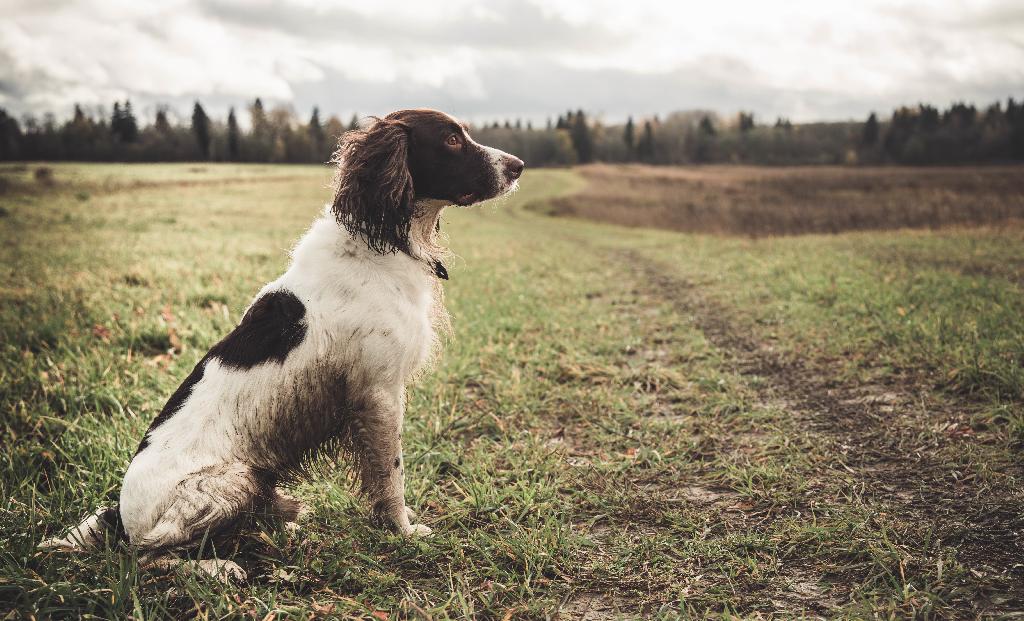
Physically, the English Springer Spaniel is a medium-sized dog with a sturdy, well-proportioned build. It typically stands between 19 to 20 inches tall at the shoulder and weighs between 40 to 50 pounds. The breed has a distinctive, long, silky coat that is often liver, black, or a combination of the two, with white markings. Its expressive eyes and long ears give it a friendly, alert appearance.
Temperamentally, the English Springer Spaniel is known for being affectionate, friendly, and eager to please. It is a highly sociable dog that thrives on human interaction, making it an excellent companion for families, children, and other pets. The breed is also intelligent and trainable, although it requires consistent, positive reinforcement to curb its enthusiasm and high energy levels.
As a working dog, the English Springer Spaniel excels in retrieving and flushing game. It is particularly valued for its keen sense of smell, which makes it an excellent choice for upland bird hunting and field trials. Springer Spaniels require plenty of exercise and mental stimulation, including regular outdoor activities like runs, hikes, and opportunities to engage in scenting and retrieving tasks.
Overall, the English Springer Spaniel is a lively, affectionate, and intelligent breed that excels in both hunting and family life. Its energy and friendly demeanor make it a great choice for active families or individuals who can provide the necessary exercise and training to keep it happy and healthy.
History
The English Springer Spaniel is a versatile and energetic breed with a history deeply intertwined with the development of hunting traditions in England. The breed’s origins date back several centuries, descending from the spaniels brought to the British Isles by Roman conquerors. These early spaniels were highly valued for their hunting abilities, particularly their skill in flushing game from dense cover. By the 16th and 17th centuries, spaniels were widely used across England and began to be categorized by their size and hunting roles, with the larger dogs being used to "spring" game birds into the air, giving rise to the name "Springer."
The English Springer Spaniel emerged as a distinct breed in the 19th century, separated from its close relative, the Cocker Spaniel. At the time, both breeds often appeared in the same litter, and their designation was based on size rather than distinct genetic lines. Larger spaniels were trained as Springers, while the smaller ones became Cockers, primarily used for hunting woodcock. With the advent of organized breed registries, these roles became more formalized, and the English Springer Spaniel was officially recognized as a separate breed.
The breed gained prominence not only for its prowess in the field but also for its adaptability and friendly temperament. English Springer Spaniels excelled as gun dogs, retrieving and flushing game on land and in water, making them favorites among hunters and sportsmen. Their intelligence and trainability also allowed them to transition seamlessly into other roles, including search-and-rescue and detection work.
Today, the English Springer Spaniel is celebrated worldwide for its versatility and charm. It remains a popular choice for both working and companion roles, excelling in hunting, competitive sports, and as a loyal family pet. The breed’s rich history reflects its enduring appeal and the balance it strikes between athleticism, intelligence, and an affectionate nature.
Appearance
Springers are compact, symmetrical, and built for all-day work: strong through the body, deep-chested, and “racy” in outline for their size. The head is refined without being heavy, with kind, alert eyes and long, lobular ears that hang close to the head.
The coat is medium length and weather-resistant, usually straight or slightly wavy, with moderate feathering on the ears, chest, legs, and underside. Common colors include black-and-white or liver-and-white, and either may appear with tan points; ticking or roaning can be seen in the white areas.
Adults typically stand around 19–21 inches at the shoulder and often weigh roughly 40–50 pounds, though working lines can run lighter and more streamlined.
Colors
• Black & White
• Black & White w/ Tan
• Liver & White
• Liver & White w/ Tan
• Tricolored
Health
English Springer Spaniels are generally sturdy, athletic dogs, but like many medium sporting breeds they do best when owners are proactive about preventive care. Keep vaccinations, parasite prevention, and dental care current, and use routine wellness visits to catch small issues early.
Weight management is a big health lever for this breed. Springers can be prone to becoming overweight, and extra pounds can reduce stamina and put added stress on joints—so measure food, limit high-calorie treats, and keep exercise consistent.
Their ear shape and love of water can also set them up for recurrent ear irritation or infection if ears stay damp or dirty. Regular checks (especially after swimming) and prompt veterinary care for redness, odor, or head-shaking help prevent chronic problems.
Care
Plan for daily activity: brisk walks, runs, hikes, retrieving sessions, or structured play, plus a bit of training or puzzle work for mental exercise. A Springer that’s physically fit and mentally engaged is far more likely to be calm at home.
Coat care is steady but not extreme. Brush and comb once or twice weekly to prevent tangles and mats in the feathering, and expect occasional professional tidying or trimming every few months if you like a neater look.
Ears deserve special attention. Their long, hanging ears can trap moisture and debris, so check them weekly (more often after swimming) and keep them clean and dry as advised by your veterinarian. Feeding should match activity level—many Springers gain weight easily if calories aren’t adjusted as they age or exercise changes.
Training
Springers generally respond best to reward-based, upbeat training that channels their desire to work with you. Short, frequent sessions help prevent boredom, and food or toy rewards can be very motivating.
Focus early on the essentials for a sporting breed: a reliable recall, polite leash manners, and strong impulse control around wildlife and moving objects. Retrieving games, scent work, and beginner field exercises can be excellent “legal outlets” for their instincts.
Because some lines are high-drive, it’s smart to teach a structured off-switch (settle on a mat, calm crate time, relaxation protocols). Consistency matters: if the rules change day-to-day, a clever Springer will test boundaries.
Temperament
The English Springer Spaniel is known for a friendly, happy, people-oriented temperament. Many are affectionate and enthusiastic greeters, and they tend to do well in active households that enjoy including a dog in daily routines.
They’re usually biddable and eager to please, which makes them enjoyable to train—but the same energy and curiosity can turn into distractibility if they’re under-exercised. Early socialization helps them mature into confident adults, especially around new people, dogs, and busy environments.
Because they were bred to work closely with handlers, Springers often don’t love long stretches of isolation. Some can be vocal or excitable; giving them consistent outlets (exercise, training games, retrieving) goes a long way toward keeping the “merry” side of the breed manageable.
Lifestyle
This is a breed for people who genuinely want an active dog. A Springer can adapt to many homes—including suburban or city living—if daily exercise and training are non-negotiable. Without that outlet, they may invent their own entertainment (barking, counter-surfing, digging, or general mischief).
They often thrive with access to safe, enclosed space for off-leash play, but they don’t require a huge yard if you’re committed to outings. Many enjoy water, so swimming and water retrieves can be a perfect low-impact option.
Because they’re social and handler-focused, Springers tend to do best when they’re included: family activities, weekend adventures, training classes, and jobs around the house. If you travel or spend time outdoors, they’re frequently delighted to come along.
Ownership
Choose your breeder (or rescue) with your lifestyle in mind. Ask whether the dog comes from field-focused or show-focused lines, and meet the parents or close relatives when possible—energy level and off-switch can vary significantly between lines.
Plan to invest time in training and enrichment for life, not just puppyhood. A well-trained Springer is a joy, but a bored one can be intense. Budget for grooming tools (and occasional professional grooming), quality nutrition, and preventive vet care.
If you have children or other pets, supervised introductions and ongoing management matter—especially around exuberant play and the instinct to chase birds or small animals outdoors. With structure, many Springers become deeply bonded, trustworthy family dogs that want to be wherever you are.
Interesting Facts
- Bred to “spring” (flush) game and retrieve, the English Springer Spaniel is one of the oldest British land spaniels.
- Typically about 19–21 inches tall and often around 40–50 pounds, with working lines frequently lighter.
- Known for a friendly, happy, biddable temperament; aggression or timidity is considered uncharacteristic.
- Needs daily exercise plus mental work; many become noisy or mischievous when under-stimulated.
- Feathered coat benefits from weekly brushing, and ears should be checked regularly—especially after swimming.
- Many are highly food-motivated, which can make training easier but also means weight control matters.