
Epagneul Breton
Basics
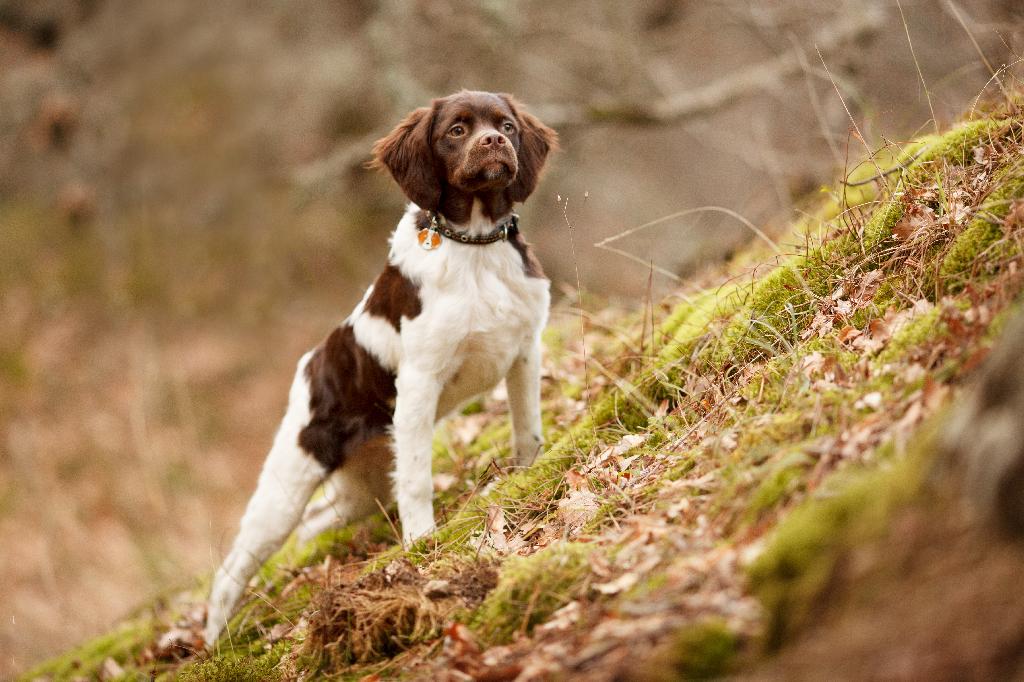
The Epagneul Breton—often called the Brittany—is a French pointing dog from Brittany and is widely admired as a versatile gundog. The FCI standard describes it as the smallest of the pointing breeds: compact, energetic, and built on a solid but not heavy frame.
Brittanys are popular with active owners because they combine a cheerful house-dog personality with serious field drive. They’re at their best with people who want a dog that can train, run, and work regularly—and then happily rejoin the family at home.
Description
The Epagneul Breton, also known as the Brittany Spaniel, is a highly energetic and versatile hunting dog breed originally from France. Known for its excellent pointing, retrieving, and flushing abilities, the Epagneul Breton is often used in upland bird hunting, but it also excels in various other canine activities.
Physically, the Epagneul Breton is a compact and athletic dog, typically standing between 17 to 20 inches tall at the shoulder and weighing between 30 to 40 pounds. The breed has a well-proportioned, muscular body, with a medium-length, feathered coat that is often orange and white, liver and white, or black and white, with some having darker markings. Its expressive eyes and compact, slightly rounded ears contribute to its alert and intelligent appearance.
Temperamentally, the Epagneul Breton is friendly, eager to please, and highly trainable, making it an excellent companion for active individuals or families. The breed is known for its enthusiastic nature and strong desire to work, which makes it an ideal hunting partner. While it is affectionate and sociable with its family, it can be reserved or cautious with strangers. It is also known for its intelligence and can excel in dog sports, obedience, and other activities when given proper training and mental stimulation.
As a hunting dog, the Epagneul Breton is highly prized for its ability to point, flush, and retrieve game, all with a keen nose and impressive agility. The breed is energetic and requires regular exercise to stay happy and healthy, making it best suited for active households that can provide ample opportunities for outdoor activities.
Overall, the Epagneul Breton is a lively, intelligent, and trainable breed that excels in hunting and is a wonderful companion for those who enjoy outdoor activities. Its affectionate nature and versatility make it a great choice for active families or individuals looking for a dedicated and enthusiastic dog.
History
The Epagneul Breton, widely known in English-speaking countries as the Brittany, traces its origins to the Brittany region of northwestern France. References to small, agile spaniel-type dogs working alongside hunters in this rugged coastal landscape date back several centuries. Their primary role was to hunt and flush game birds such as partridge and woodcock, often in dense, brushy terrain. Over time, local hunters selectively bred these compact dogs for their stamina, keen noses, and natural pointing instincts, all while maintaining a sociable and cooperative temperament. This emphasis on field performance rather than appearance shaped the Epagneul Breton into a versatile, close-working gun dog.
Formal recognition of the Epagneul Breton began in the early 20th century. In 1907, a breed club was established in France, and soon after, the first breed standard was written. At the time, the dog’s distinctive attributes—particularly its small size, short or bobbed tail, and enthusiastic approach to work—set it apart from other continental spaniels. Through further refinement, breeders maintained a dog that was equally adept at pointing and retrieving, making it extremely popular among local sportsmen. Exports to other European countries and eventually North America followed, as word spread about the breed’s remarkable versatility and amiable nature.
During the mid-20th century, the Epagneul Breton, already well-liked in France, gained traction abroad. In the United States, it became known simply as the “Brittany,” and in 1934, the American Kennel Club (AKC) granted it official recognition. Enthusiasts appreciated the breed’s athletic prowess in the field, coupled with an affectionate personality that fit in nicely at home. Over the years, some subtle differences developed between French and American lines—with the French maintaining a closer adherence to the original “Epagneul Breton” standard emphasizing dual-purpose hunting capabilities, while many American lines pivoted more toward field trial competitions. Nonetheless, both strains reflect a proud heritage rooted in the rugged Brittany countryside.
Today, the Epagneul Breton is cherished worldwide by hunters and dog lovers alike. It remains celebrated for its versatility, intelligence, and boundless enthusiasm—whether it’s flushing birds from thick cover, retrieving downed game in a marsh, or simply enjoying life as a devoted family companion. Despite ongoing evolutions in breeding and style, the Epagneul Breton continues to embody the indomitable spirit and adaptability of the coastal region from which it first sprang.
Appearance
In the FCI standard, the Epagneul Breton is described as compact and “well-knit,” fitting a square outline (height at withers roughly equal to body length). The head is a continental spaniel type, and the tail is naturally short or may be absent, which is a classic breed hallmark.
Overall, the look is athletic and tidy rather than tall or heavy. They’re built for efficient movement in cover—quick, balanced, and durable—without the bulk of many larger pointing breeds.
Colors
• Black & White
• Liver & White
• Orange & White
• Piebald
• Roan
• Tricolored
• White & Black
• White & Orange
• White w/Liver
Health
As a generally active, athletic breed, Brittanys benefit from sensible conditioning and preventive care. Talk with your breeder and veterinarian about appropriate screening for common sporting-dog issues (such as hip health) and keep an eye on injuries related to high activity and rough terrain.
Good management matters: maintain a lean body condition, build endurance gradually, and protect paws and ears when the dog is running in heavy cover. Regular checkups and responsible breeding practices are the best tools for reducing avoidable health problems.
Care
Coat care is usually moderate: regular brushing to remove burrs and field debris, plus occasional bathing, is often enough to keep the coat healthy. Because these dogs are frequently outdoors, routine checks for ticks, foxtails, and minor cuts are part of normal care.
Daily exercise is non-negotiable for most Brittanys. Plan on real outlets—running, hiking, structured play, and training—rather than a quick potty walk. Nail and dental care round out the basics for an athletic dog.
Training
Brittanys are often quick learners with strong natural hunting instincts. The FCI standard highlights their aptitude for training, along with their scenting ability, range, pointing, and retrieving—traits that reward owners who invest early in foundation work.
Use positive reinforcement and keep sessions moving; many Brittanys do best with variety and clear rules. Prioritize recall, calm leash walking, and impulse control (especially around birds and wildlife) so their drive becomes a strength instead of a daily negotiation.
Temperament
Brittanys are known for bright, people-focused enthusiasm. The FCI standard emphasizes a dog that adapts well to different environments, is sociable and mentally balanced, and shows an attentive, intelligent expression.
They tend to be affectionate and eager to participate, but they’re also working dogs with opinions and energy. When their exercise and training needs are met, they’re typically friendly, biddable companions; when they’re under-stimulated, they can become noisy, restless, or distractible.
Lifestyle
Brittanys thrive in active households that enjoy being outside. AKC notes they are agile and energetic, tireless in the field, and that they require a lot of exercise—ideally alongside their favorite people.
They can do well in suburban life if you provide daily training and vigorous activity, but they’re rarely happy as couch-only dogs. Give them a job—field training, scent games, agility, or long off-leash runs in safe areas—and they typically become easier, calmer companions.
Ownership
Choose a breeder who prioritizes stable temperament and real-world ability, whether that’s field performance, sport, or a balanced companion. Ask what the parents are like in the home, what health testing is done, and how puppies are socialized—because Brittanys are sensitive to both good handling and chaotic starts.
Expect to be involved: regular exercise, consistent training, and thoughtful management around wildlife are part of owning this breed well. In return, you usually get a bright, affectionate teammate that’s genuinely fun to live with.
Interesting Facts
- Official FCI name: Epagneul Breton (Brittany Spaniel).
- Described by FCI as the smallest of the pointing breeds.
- Typically compact and square in outline; many are naturally short-tailed or tailless.
- Known for versatility across game and terrain, with strong pointing and retrieving instincts.
- AKC highlights the breed as agile, energetic, and needing plenty of exercise.