
Field Spaniel
Basics
The Field Spaniel is a medium-sized sporting spaniel originally developed to work thick cover—flushing and retrieving game with a steady, methodical style. It’s closely related to other British spaniels and is much less common today than Cocker or English Springer Spaniels, but breed fans value it as both a capable hunter and an affectionate companion.
Most Field Spaniels fall in the mid-size range—often around 35–50 lb—with a moderate energy level that’s happiest when paired with daily activity and a “job” to do. They tend to be people-oriented and can be sensitive, so they do best in homes that enjoy training, outdoor time, and lots of family interaction.
Description
The Field Spaniel is a medium-sized, versatile hunting dog breed that originated in England. Known for its friendly nature, intelligence, and excellent retrieving abilities, the Field Spaniel was originally bred for flushing and retrieving game, particularly waterfowl, in both upland and marshy environments.
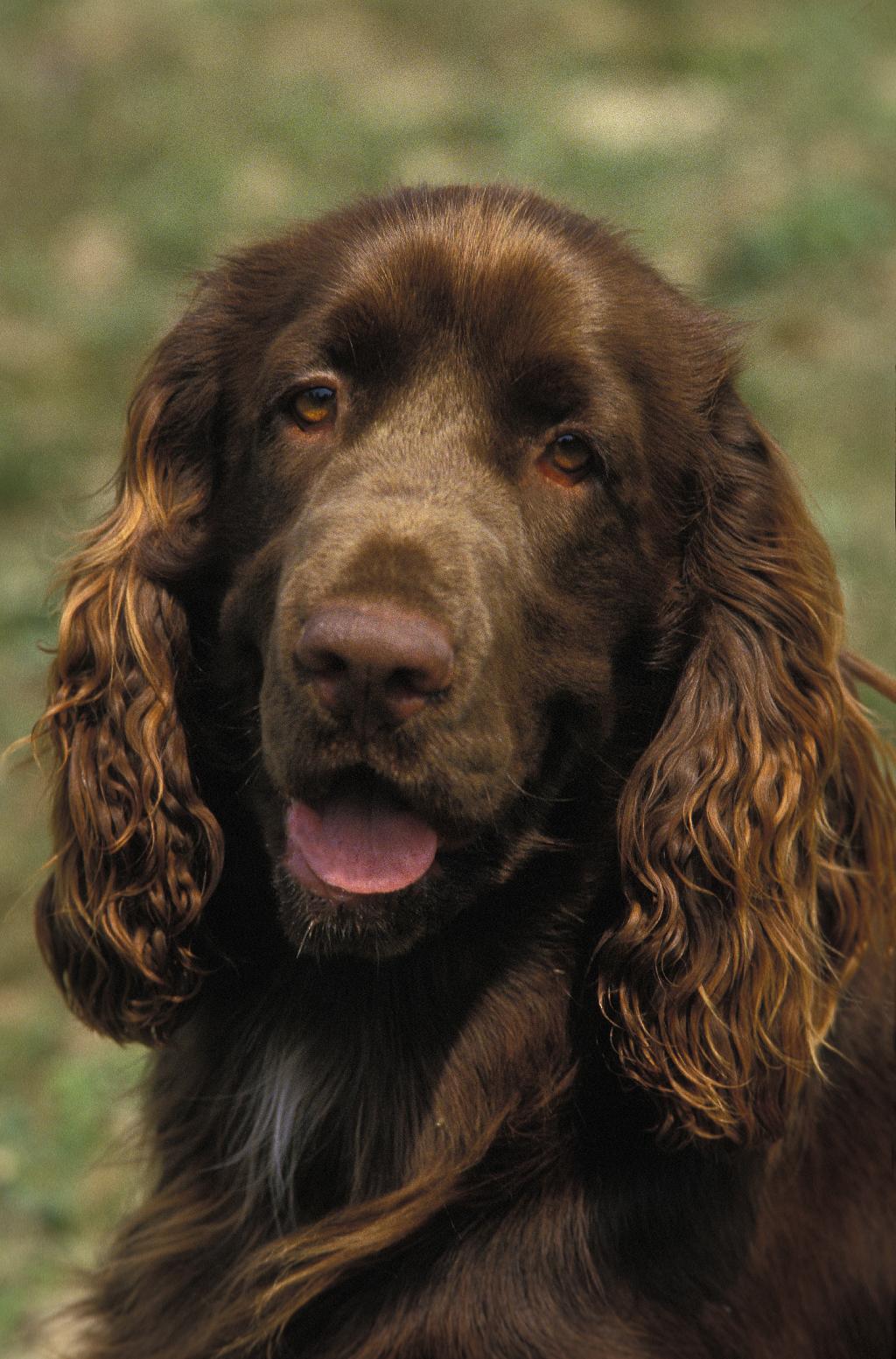
Physically, the Field Spaniel is a well-balanced, athletic dog with a graceful yet sturdy frame. It typically stands between 17 to 18 inches tall at the shoulder and weighs between 35 to 50 pounds. The breed has a distinct, glossy, medium-length coat that is typically dark liver, black, or black and tan. Its coat is slightly wavy or feathered, giving it an elegant appearance, and it has long, expressive ears that contribute to its endearing look.
Temperamentally, the Field Spaniel is known for its affectionate, gentle, and sociable nature. It is friendly and loyal to its family, including children, and generally gets along well with other pets. The breed is intelligent, eager to please, and responsive to training, although it can sometimes be independent or reserved. Field Spaniels are active and enjoy engaging in tasks, particularly those that involve retrieving and scenting.
As a hunting dog, the Field Spaniel excels at retrieving game from water and land, with a keen nose and excellent swimming abilities. It requires regular exercise and enjoys outdoor activities such as hiking, running, or swimming, which helps to keep its energy levels in check. Without adequate exercise and mental stimulation, the breed may become bored and exhibit undesirable behaviors.
Overall, the Field Spaniel is an affectionate, intelligent, and active breed that excels in hunting and makes a wonderful family companion. It thrives in homes with active families who can provide it with plenty of exercise, mental stimulation, and opportunities to engage in its natural instincts.
History
The Field Spaniel is a breed with a storied history, evolving from its origins as a functional hunting companion to a refined and rare breed recognized for its versatility and charm. The Field Spaniel originated in England during the mid-19th century, developed to excel as a flushing and retrieving gun dog. It shares ancestry with the Cocker Spaniel and other spaniel breeds, which were often categorized by size rather than distinct lineage. The Field Spaniel was bred to work in dense cover, retrieving game birds with precision and a gentle mouth, making it a favorite among hunters.
In the late 19th century, the breed’s development took a turn as it became popular in the burgeoning world of dog shows. Breeders began emphasizing exaggerated features, such as a longer body and heavier coat, to create a more striking appearance for the show ring. Unfortunately, this focus on aesthetics led to a decline in the breed's practical working abilities and health. The exaggerated traits made the dogs less functional and resulted in a waning interest among sportsmen, which significantly reduced the breed’s popularity.
By the early 20th century, the Field Spaniel was on the brink of extinction, but dedicated breeders worked to revive the breed by returning to its roots as a balanced and capable working dog. They carefully reintroduced traits from related breeds, such as the English Springer Spaniel, to restore its functionality and health. These efforts helped to stabilize the breed, and the Field Spaniel regained recognition for its intelligence, versatility, and gentle temperament.
Today, the Field Spaniel is a relatively rare breed but is cherished by enthusiasts for its adaptability and affectionate nature. It remains a capable hunting companion while excelling in canine sports such as obedience and agility. The breed’s history reflects a journey of decline and revival, underscoring the importance of maintaining a balance between form and function in the development of working dogs.
Appearance
Field Spaniels are built for all-day work: balanced, slightly longer than tall, with a deep chest and strong back that supports steady movement through brush. The head and expression are typically soft and intelligent, and the ears are long and set low with feathering.
The coat is single (no heavy undercoat) and usually flat to slightly wavy with feathering on the chest, belly, legs, and tail. Common colors include black and liver, as well as roan and other spaniel-pattern variations; overall the look is practical rather than flashy.
In motion, a good Field Spaniel covers ground with an efficient, driving stride—more power and endurance than speed. Their proportions and coat make them well suited to cool, damp field conditions, provided grooming and ear care are kept up.
Colors
• Black
• Black & Tan
• Black & White
• Blue Roan
• Golden Liver
• Golden Liver Roan
• Liver
• Liver & Tan
• Liver & White
• Liver Roan
Health
Field Spaniels are generally considered a healthy breed with a typical lifespan often cited around 12–13 years, but like many purebred dogs they can be predisposed to certain inherited conditions. Choosing a breeder who uses appropriate health screening and can discuss family history is one of the biggest risk-reducers.
Eye conditions are commonly mentioned in breed health discussions, including progressive retinal atrophy (PRA) and eyelid issues such as entropion/ectropion. Thyroid disease (hypothyroidism) is also reported, and some individuals may experience seizures/epilepsy.
Because Field Spaniels are somewhat long-backed compared with height, intervertebral disc disease (IVDD) is sometimes noted as a concern, even if less common than in classic long-backed breeds. Keeping the dog lean and fit, avoiding repetitive high-impact jumping, and addressing pain or gait changes early can make a big difference.
Care
Plan for about an hour of purposeful exercise most days: brisk walks, fetch, scent games, or structured dog sports. Without enough activity and mental work, Field Spaniels can invent their own entertainment—often by “redecorating” with socks or other interesting objects.
Grooming is moderate. Weekly brushing and combing of the feathering helps prevent tangles, and occasional trimming around feet can keep debris from collecting. Because the ears are long and hang close to the head, keeping them clean and dry is especially important to help reduce ear problems.
Like most medium sporting breeds, they do best on a consistent routine: regular meals, predictable rest, and opportunities to use their brain. Routine veterinary care and maintaining a healthy body condition are key for a long, comfortable life.
Training
Field Spaniels are smart and usually eager to please, but they’re also sensitive—harsh corrections can make them shut down. Positive reinforcement (food, play, praise) and short, upbeat sessions tend to produce the best results.
Start early with recall, loose-leash walking, and calm greetings. Because many Field Spaniels have a natural urge to follow scents and flush birds, a reliable “come” and “leave it” are especially valuable outdoors.
They often excel when training has variety and a clear purpose: rally, obedience, tracking/nose work, agility, and hunt-style games all tap into their strengths. Consistency matters, but avoid drilling; keep repetition low and the payoff high.
Temperament
A well-bred Field Spaniel is typically sweet, docile, and very attached to its people. Many are lighthearted and a bit mischievous at home, but they’re not usually “busy” barkers—more the type to quietly follow the family from room to room.
With strangers, this breed is often reserved and can become shy if early socialization is skipped. Gentle exposure to new people, places, and sounds during puppyhood helps them grow into confident adults.
In the field (or on a hike), their sporting instincts switch on: they like to explore with their nose and may try to flush birds. That combination—soft at home, game outdoors—makes them a great match for owners who enjoy both companionship and active weekends.
Lifestyle
This is a “with you” dog: Field Spaniels usually want to be involved in daily life and can struggle if routinely left alone for long hours. They thrive in households where someone is home often or where enrichment (training, puzzle feeders, exercise) is built into the day.
They can adapt to suburban or even apartment living as long as exercise is reliable and there’s a safe way to burn energy. A fenced yard is a plus, but not a substitute for walks and brain work.
Outdoors, keep leash skills sharp—many will happily follow their nose after birds. Structured off-leash time in safe areas, combined with training, lets them enjoy their sporting side without turning every outing into a scavenger hunt.
Ownership
A Field Spaniel is a strong choice for someone who wants a medium sporting dog that’s affectionate, sensitive, and happiest with steady activity. They tend to fit well with families who enjoy training and outdoor time, and they often do fine with other pets when introduced thoughtfully.
Because the breed is uncommon, take your time finding a responsible breeder or a reputable rescue. Look for transparent health testing, dogs raised with good early socialization, and adults with stable, friendly temperaments.
Set expectations early: this breed does best with gentle handling, clear household rules, and daily engagement. If you want a dog that’s content to be a couch ornament most days, a Field Spaniel will likely feel under-employed; if you want a partner for walks, classes, and weekend adventures, they’re in their element.
Interesting Facts
- Group: Sporting / Gundog (spaniel type)
- Size: medium; commonly ~35–50 lb and roughly 17–18 in tall
- Coat: single coat, flat to slightly wavy, with feathering on legs/chest/tail
- Temperament: affectionate and sensitive; often reserved with strangers without early socialization
- Exercise: moderate-to-high; plan on ~1 hour/day plus mental enrichment
- Commonly noted health considerations: eye disorders, hypothyroidism, and occasional seizure/epilepsy reports