
Finnish Hound
Basics
The Finnish Hound (Suomenajokoira) is a medium-sized Nordic scenthound developed for Finnish conditions, where it is traditionally used to hunt hare and fox by following scent and working independently over long distances. It’s known for a strong nose, steady endurance, and a voice that helps the handler follow the chase in the forest.
In the home, Finnish Hounds are typically calm, friendly housemates and are not usually intense guard dogs. Because the breed was shaped first and foremost as a working hunting hound, most individuals do best with a job to do, plenty of daily exercise, and opportunities to use their nose.
Description
The Finnish Hound is a versatile and resilient hunting breed developed in Finland for tracking and chasing game such as hare and fox. Known for its exceptional scenting ability and endurance, this breed is a skilled and determined hunter, capable of navigating rugged terrain and harsh climates with ease. Finnish Hounds are particularly valued for their ability to work independently yet remain attentive to their handler’s commands, making them an indispensable asset to hunters.
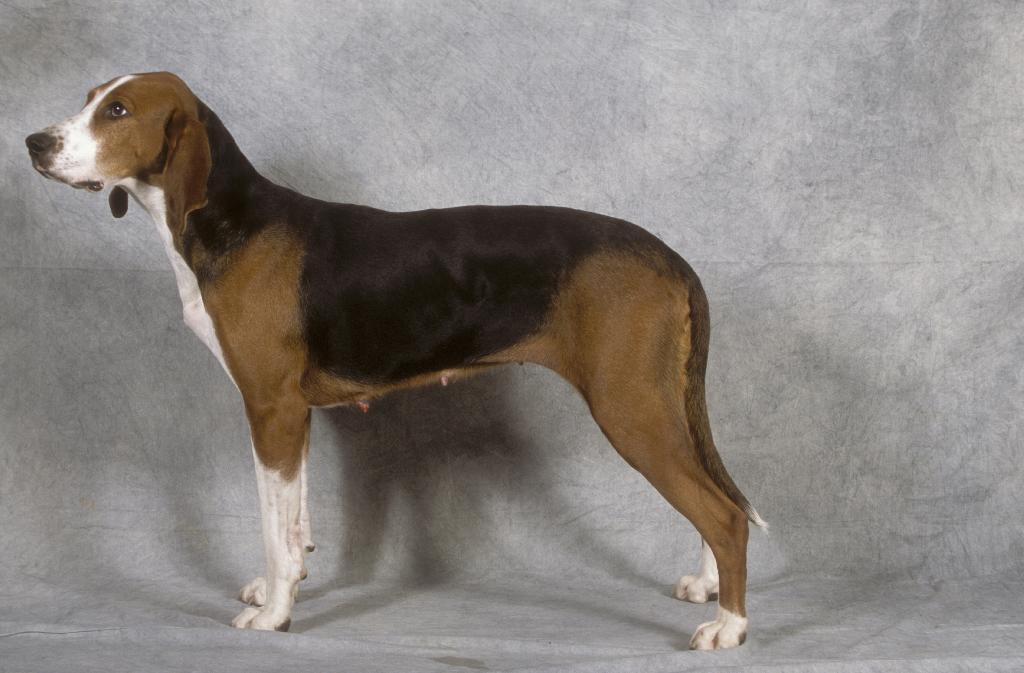
Physically, the Finnish Hound is a medium-sized, well-proportioned dog with a strong and athletic build. It typically stands between 20 to 24 inches tall and weighs 45 to 55 pounds. Its short, dense coat is tricolor, featuring black, tan, and white markings, which not only make it visually striking but also provide protection in various weather conditions. The breed has long, drooping ears and expressive dark eyes, giving it a friendly and intelligent appearance.
The Finnish Hound is known for its calm and even temperament. It is friendly and sociable, making it a great companion for families as well as a reliable working dog. While the breed is affectionate with its family, it has an independent streak due to its strong hunting instincts. This trait makes early training and consistent reinforcement essential to ensure obedience and responsiveness. Finnish Hounds typically get along well with other dogs but may need supervision around smaller animals, given their natural prey drive.
As a working breed, the Finnish Hound thrives on physical activity and mental stimulation. Regular exercise, such as long walks, runs, or scent work, is vital to keep the dog healthy and content. Without adequate activity, the breed’s high energy levels can lead to restlessness or destructive behavior. Despite their active nature, Finnish Hounds are relatively low-maintenance in terms of grooming, thanks to their short coats, which require only occasional brushing.
Overall, the Finnish Hound is a dedicated and skilled hunter, an affectionate companion, and a breed well-suited to active individuals or families who can meet its exercise and training needs. Whether in the field or at home, the Finnish Hound’s loyalty, intelligence, and perseverance make it a truly remarkable breed.
History
The Finnish Hound, or *Suomenajokoira*, is a beloved breed in Finland with a history deeply tied to the country’s hunting traditions. Developed in the 19th century, the Finnish Hound was created to meet the specific needs of Finnish hunters who required a dog capable of tracking and trailing game in the challenging Nordic environment. The breed excels in hunting hare and fox, using its keen sense of smell, endurance, and distinct bay to track and signal the location of game.
The Finnish Hound’s development began in the early 1800s, when Finnish breeders imported and crossed a variety of European hounds, including Swiss, German, and French scent hounds. These breeds were carefully blended to produce a dog suited to Finland's harsh winters, dense forests, and rugged terrain. The result was a medium-sized hound with a tricolor coat, strong legs, and an excellent nose. Its voice—a melodic, loud bay—allowed hunters to follow the dog’s progress even in dense forests.
By the late 19th century, the Finnish Hound had become a popular choice among hunters in Finland and began appearing in organized hunting competitions. The breed was officially recognized in 1892 when its first breed standard was established. It gained further prominence in the 20th century as Finland developed a strong tradition of hunting sports, with the Finnish Hound often leading the field in trials.
Today, the Finnish Hound remains a cherished breed in its homeland, particularly among hunters. While it is not widely known outside Finland, it has a dedicated following for its intelligence, stamina, and friendly demeanor. The Finnish Hound’s history reflects the close relationship between Finnish culture and the natural environment, with the breed standing as a testament to the skill and dedication of its breeders.
Appearance
Finnish Hounds are sturdy, athletic dogs built for all-day movement rather than heavy power. The body is slightly longer than tall, with balanced angulation and straight, parallel legs that support an efficient, ground-covering gait.
The coat is a double coat: a dense, harsh outer coat with a softer undercoat underneath. Color is the typical hound tricolor pattern. Size is moderate; males are commonly about 21.5–24 inches at the withers and females about 20.5–23 inches (roughly 55–61 cm and 52–58 cm).
Colors
• Tricolored
Health
The Finnish Kennel Club notes that the breed’s structure is generally natural and not dominated by extreme features, but like all breeds it has conditions to watch. Reported concerns include cerebellar ataxia (with a genetic test used to avoid producing affected puppies), cardiomyopathy, lymphoma, black hair follicular dysplasia, and atopic dermatitis.
Hip dysplasia is also seen, and some breeding programs monitor hips with indexes to support long-term soundness. For owners, the practical takeaways are to choose breeders who use appropriate health testing, keep the dog lean and well-conditioned, and discuss screening and any exercise plan with a veterinarian—especially for hard-working hunting dogs.
Care
The Finnish Hound’s coat is practical and relatively easy to maintain. Weekly brushing usually keeps shedding under control and helps remove dirt from field work; during seasonal coat blow, more frequent brushing helps. Bathe as needed, and keep nails trimmed so the dog can move comfortably and efficiently.
Because this is a running hound, conditioning is part of “care.” Regular exercise that includes trotting, hiking, or structured running supports joints and muscle. Check ears regularly (pendant ears can trap moisture), and do routine dental care—especially for active dogs that pick up sticks and debris.
Training
Finnish Hounds are bred to work independently on scent, so training tends to go best when it’s consistent, fair, and motivating rather than repetitive or heavy-handed. Use high-value rewards, keep sessions short, and build habits around focus and check-ins.
Start recall and leash skills early and practice them in gradually more distracting environments. Many owners find nosework-style games (tracking lines, scent puzzles, hide-and-seek with treats) are a great way to channel the breed’s instincts while strengthening the human–dog partnership.
Temperament
The breed standard describes the Finnish Hound as calm, energetic, and friendly. Many are affectionate with their people and generally polite with familiar visitors, but they’re usually more “working companion” than velcro lapdog.
Outdoors, their hunting instinct can be intense. That can show up as strong scent-tracking drive, persistence on a trail, and selective hearing when something interesting is moving. Good management (leashes, fencing, and recall training) matters more with this breed than with many casual companion breeds.
Lifestyle
A Finnish Hound fits best with people who genuinely enjoy an active routine. Long walks alone may not feel “complete” to many individuals; they thrive when they can run, hike, and—most importantly—use their nose in a purposeful way.
They are often quiet or only lightly watchful at home, but they can be vocal while excited or following scent outdoors. Secure fencing is strongly recommended, and off-leash freedom should be reserved for safe, controlled areas or earned through reliable training.
Ownership
Prospective owners should treat the Finnish Hound as a true working scenthound: friendly and even-tempered, but driven. Plan for daily exercise, structured enrichment, and training that’s maintained for life—not just during puppyhood.
Look for breeders and clubs connected to hunting and performance, because they’re most likely to prioritize the traits that keep the breed healthy and functional. Ask about health testing (including ataxia status), hip evaluation practices, and what the breeder expects from puppy buyers in terms of activity and management.
Interesting Facts
- Also known in Finland as the Suomenajokoira, developed for hare and fox hunting in Finnish terrain.
- Recognized by the United Kennel Club (UKC) on January 1, 1996.
- Medium-sized scenthound with a double coat and typical hound tricolor pattern.
- Often calm and friendly at home, but can be highly driven outdoors due to strong scent and chase instincts.
- A genetic test is used in Finland to help prevent producing puppies affected by cerebellar ataxia.
- Finnish working culture includes major annual field trials, with the top dog crowned “King of the Hounds” (Ajokuningas).