
French Brittany
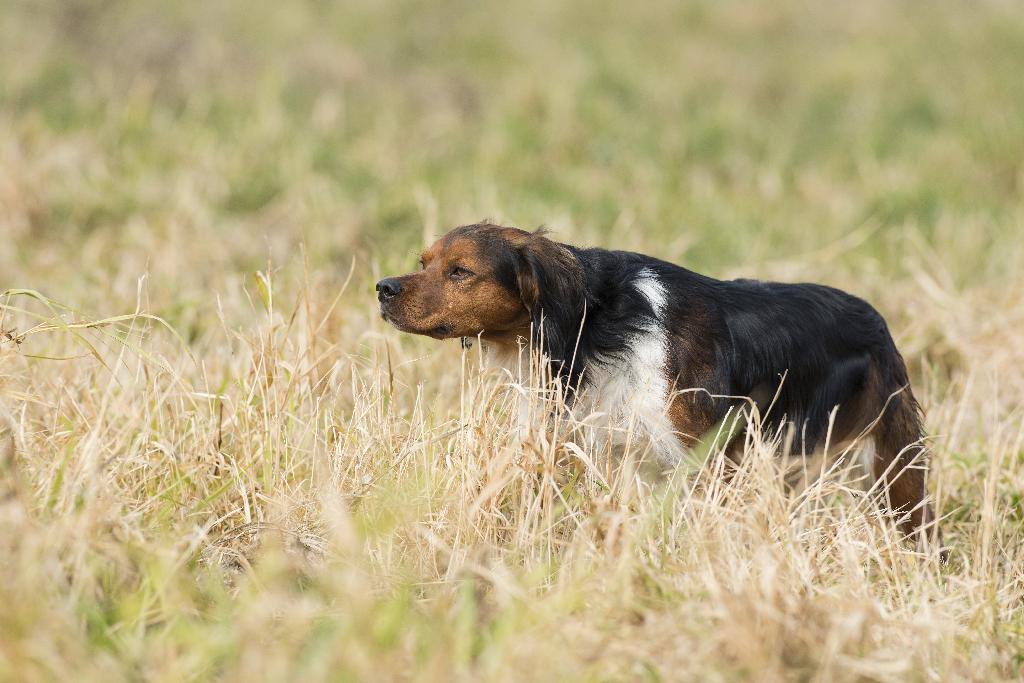
Basics
The French Brittany (Epagneul Breton) is a compact, athletic pointing spaniel developed in France’s Brittany region. Bred to hunt close and cover ground efficiently, it’s prized for versatility—able to point, retrieve, and work in thick cover without being heavy or clumsy.
In the home, many French Brittanys are bright, people-oriented dogs that do best when they’re included in daily life. They tend to bond tightly with their family and are typically happiest with a job to do—training, structured exercise, or regular field work.
Description
The French Brittany, also known as the Epagneul Breton, is a versatile, medium-sized pointing dog originally developed in France for hunting and retrieving game birds. Known for its keen sense of smell, agility, and close-working hunting style, the French Brittany is celebrated by hunters and outdoor enthusiasts alike. While closely related to the American Brittany, it is typically smaller and more compact, with a distinct emphasis on its working ability and adaptability.
Physically, the French Brittany is a well-proportioned dog, standing between 18 and 20.5 inches tall and weighing 30 to 40 pounds. Its coat is medium-length, dense, and often wavy, providing protection against the elements. Common coat colors include orange and white, liver and white, or tricolor patterns. The breed’s expressive, dark eyes and gentle, alert expression reflect its intelligence and eagerness to please.
This breed is known for its friendly and affectionate temperament. The French Brittany forms strong bonds with its family and is often described as gentle, sociable, and highly trainable. It gets along well with children and other animals, making it an excellent family companion when not out in the field. However, its hunting heritage means it retains high energy levels and a strong prey drive, requiring daily exercise and mental stimulation to keep it happy and well-behaved.
In the field, the French Brittany excels as a close-working hunting dog, known for its speed, precision, and ability to adapt to various terrains. Unlike some pointing breeds, it maintains a natural balance between independence and attentiveness to its handler, making it a joy to work with. Its versatile skill set allows it to both point and retrieve, making it invaluable for upland bird hunting.
In summary, the French Brittany is a skilled, affectionate, and adaptable breed that thrives in active households. Whether as a hunting partner or a devoted family pet, it combines intelligence, loyalty, and athleticism, making it a cherished companion for those who can meet its energetic and social needs.
History
The French Brittany, also known as the Epagneul Breton, is a versatile and energetic hunting breed with a history deeply tied to its origins in the Brittany region of France. The breed dates back to the 17th century, where it was developed by hunters and peasants who needed a compact, agile dog capable of pointing and retrieving game in diverse terrains. Its small size, intelligence, and adaptability made it an ideal companion for hunting in the fields, forests, and marshes of Brittany.
The French Brittany is believed to descend from various spaniel-type dogs that were brought to the region by hunters and traders. Over time, these dogs were selectively bred for their hunting abilities, producing a breed that excelled at working closely with its handler. The breed’s keen nose, natural pointing instincts, and ability to retrieve both on land and in water earned it a reputation as a highly skilled and versatile gundog. Its manageable size and friendly demeanor also made it a popular companion for families.
The French Brittany gained recognition as a distinct breed in the early 20th century, with the first breed standard being established in 1907. The breed quickly gained popularity in France and neighboring countries, thanks to its effectiveness in the field and its agreeable nature. When the Brittany was introduced to North America in the mid-20th century, it became known simply as the Brittany Spaniel. However, as differences emerged between the French and American lines, the breed was eventually divided into two distinct types: the French Brittany and the American Brittany.
Today, the French Brittany is celebrated for its compact build, agility, and close working style in the field. It remains a favorite among hunters in Europe and beyond and has also gained recognition as a loyal and affectionate family companion. The breed’s history reflects its adaptability, versatility, and enduring appeal as one of the most skilled and reliable pointing breeds in the world.
Appearance
French Brittanys are square-built and lightly framed for endurance and quick changes of direction. They’re often described as “leggy for a spaniel,” with a strong back, deep chest, and a balanced outline that reads as sporty rather than stocky.
The coat is dense and lies flat or slightly wavy, with moderate feathering on the legs and thighs. Common color patterns include orange-and-white or liver-and-white (often with roaning or ticking), and some registries also recognize black-and-white. Tails may be naturally short or docked in some places; overall expression is alert and work-ready.
Colors
• Black & White
• Black White & Orange
• Blue Roan
• Liver & White
• Liver Roan
• Liver White & Orange
• Orange & White
• Orange Roan
• Orange Tri-Color
• Piebald
• Roan
• Tricolored
• White Black & Orange
Health
Like many active, medium-sized breeds, French Brittanys can be prone to orthopedic issues such as hip dysplasia. Choosing a breeder who performs health screening and prioritizes sound structure is one of the best ways to reduce risk.
They may also experience ear problems (from moisture and debris) and occasional eye issues, and some lines can be affected by inherited conditions. Keep up with regular veterinary exams, maintain a lean body condition, and address limping, stiffness, or chronic ear irritation early—these dogs often try to “push through” discomfort.
Care
This breed’s biggest care need is daily activity. Plan for energetic walks plus a chance to run, sniff, and use their brain—field training, retrieving games, scent work, or structured play. Without enough outlet, they can become restless or invent their own “projects” around the house.
Coat care is straightforward: weekly brushing to remove dead hair and burrs, plus extra checks after outdoor adventures. Keep nails short, clean ears regularly (especially if they swim or hunt), and maintain dental care with brushing and appropriate chews.
Training
French Brittanys usually train quickly when sessions are short, positive, and frequent. Start with recall, leash manners, and calm behavior around doors/guests, then build reliable basics (sit, down, place, leave it) before adding distractions.
For sporting homes, channel drive with age-appropriate field exposure and a steady progression: engagement, whistle/recall, steadiness, and controlled retrieves. They often thrive on praise and rewards, and many do best with gentle corrections and clear boundaries rather than heavy-handed discipline.
Temperament
A well-bred French Brittany is typically friendly, upbeat, and eager to please. Many are affectionate “shadow” dogs who want to be near their person and will check in frequently, especially if they’ve been trained to work cooperatively.
Because they were developed for partnership in the field, they often respond best to calm, consistent handling. Harsh corrections can shut some dogs down, while clear routines, rewards, and purposeful outlets usually bring out their confident, biddable side.
Lifestyle
This is a high-energy companion that fits best with an active household. A fenced yard is helpful, but it’s not a substitute for real exercise and enrichment—most French Brittanys want purposeful time with their people.
They can do well with kids and other dogs when socialized early, especially in homes that teach calm indoor habits. Apartment living can work for dedicated owners, but only if daily exercise, training, and off-leash (or long-line) running opportunities are consistently provided.
Ownership
French Brittany ownership is easiest for people who enjoy training and spending time outdoors. Expect a dog that wants to participate—on hikes, in the field, on runs, or in dog sports—and that will notice quickly if the routine becomes boring.
If you want a low-drive couch potato, this probably isn’t the best match. But for someone who values a cooperative, athletic partner with a friendly nature, the French Brittany can be a deeply rewarding breed that blends work ethic with real family affection.
Interesting Facts
- Origin: Brittany region of France; developed as a versatile pointing spaniel.
- Type: Compact, square-built gun dog known for stamina and agility.
- Temperament: Typically friendly and eager to please; responds best to gentle, consistent training.
- Exercise: Needs daily vigorous activity plus mental work (training, scent games, retrieving).
- Coat: Dense, flat to slightly wavy; moderate feathering; common orange/white or liver/white patterns.
- Work style: Often hunts close and cooperatively, making it popular with handlers who like frequent check-ins.