
German Shorthaired Pointer
Basics
The German Shorthaired Pointer (often called the GSP) was developed in Germany as a versatile hunting dog meant to do many jobs well: search, point, track wounded game, and retrieve on land and in water. Modern GSPs are medium-to-large, athletic dogs with plenty of stamina and a strong desire to work with their person.
In a home setting, they’re usually happiest when they have a “job” and a predictable routine—daily exercise, training time, and companionship. Without that outlet, the breed’s energy and brains can show up as restlessness, nuisance barking, or destructive habits.
Description
The German Shorthaired Pointer (GSP) is an energetic, versatile, and highly skilled hunting dog that is widely admired for its excellent scenting ability, intelligence, and stamina. Originally bred in Germany in the late 19th century, the GSP was developed by crossing various pointer and hunting breeds to create an all-around dog capable of pointing, retrieving, and tracking game in diverse conditions. Today, the German Shorthaired Pointer is not only a popular hunting companion but also excels in dog sports, obedience, and as a family pet.
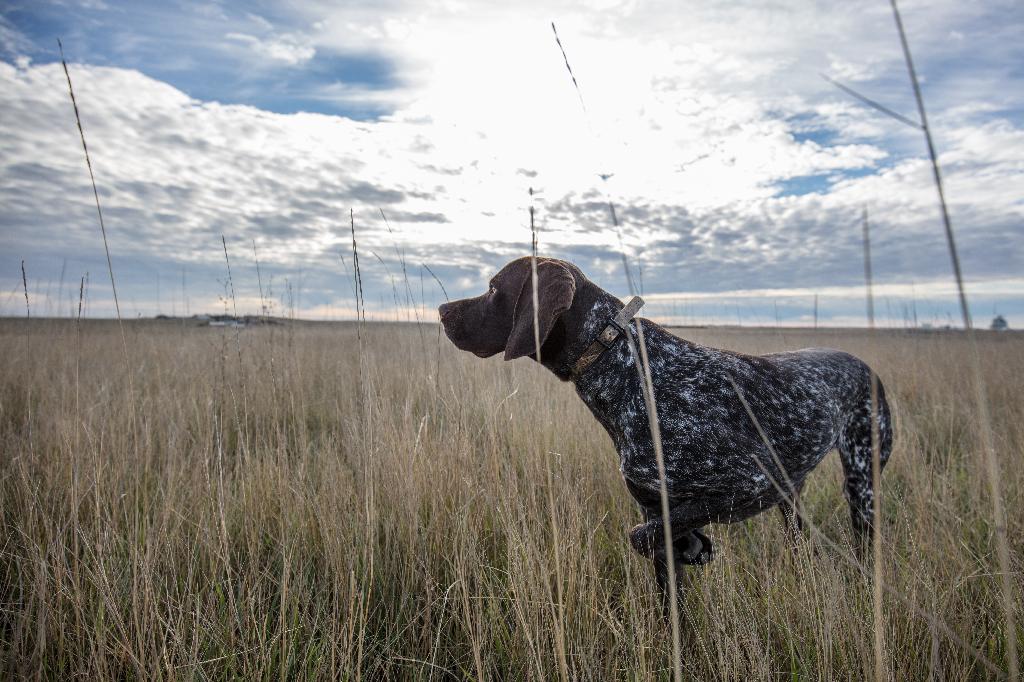
Physically, the German Shorthaired Pointer is a medium to large-sized dog with a sleek, athletic build. Typically standing between 21 and 25 inches tall and weighing between 45 and 70 pounds, the GSP has a well-muscled, balanced body that reflects its speed, agility, and endurance in the field. The breed's coat is short, dense, and water-resistant, usually in liver (dark brown), solid or with white, or a combination of the two in various patterns. The German Shorthaired Pointer’s ears are medium-sized and hang close to its head, and its deep, intelligent eyes add to its alert expression. Grooming needs are minimal, with regular brushing to manage shedding and keep the coat healthy.
The German Shorthaired Pointer is renowned for its intelligence and eagerness to please, making it one of the most trainable breeds. It excels in obedience and can quickly learn new tasks, especially when positive reinforcement methods are used. As a hunting dog, the GSP is highly driven, and its versatility allows it to work both on land and in water, making it ideal for upland bird hunting, waterfowl hunting, and tracking. This breed has an innate ability to cover large areas in search of game, and its stamina ensures it can handle long days in the field. While the GSP is highly focused and independent when working, it is also affectionate and loyal to its family, making it a great companion outside of hunting.
As a family dog, the German Shorthaired Pointer is friendly, active, and affectionate. It tends to get along well with children and other pets, especially when raised together, but its high energy levels mean it requires regular exercise and mental stimulation to stay well-behaved. Without sufficient activity, the GSP can become restless and may develop undesirable behaviors such as chewing or digging. This breed thrives in active households that can provide ample opportunities for exercise, whether through jogging, hiking, or engaging in dog sports like agility.
In summary, the German Shorthaired Pointer is a versatile, intelligent, and energetic breed that excels in hunting and a variety of other activities. With its keen nose, athleticism, and trainable nature, the GSP is a perfect choice for hunters and active families alike. However, its high energy levels and need for stimulation mean it requires an experienced owner who can provide the necessary exercise and training to ensure it becomes a well-rounded, happy companion.
History
The German Shorthaired Pointer (GSP) is a versatile hunting breed developed in Germany during the 19th century, primarily through the efforts of noble families and dedicated sportsmen who wanted a single dog capable of excelling at multiple tasks. Unlike many other specialized hunting breeds, early GSP breeders sought to create a truly all-purpose companion—one that could point and retrieve upland game, track wounded animals, and work equally well on land and in water. Influential bloodlines likely included the old German Bird Dog (Deutscher Vorstehhund), Spanish Pointers, local hound-type dogs, and eventually English Pointers, which helped refine the breed’s athletic build and keen scenting abilities.
By the late 1800s, the German Shorthaired Pointer had taken on the form we recognize today: a medium-to-large, well-muscled dog with a short coat, a keen intelligence, and boundless energy. Their dark liver or liver-and-white coats became a trademark feature, helping them blend into various hunting terrains. The breed’s adaptability and eagerness to please soon made it a favorite among German hunters. As the demand for a multi-skilled hunting companion spread throughout Germany and surrounding regions, German Shorthaired Pointers were exported to other parts of Europe and, eventually, to North America.
In the United States, GSPs gained traction in the early 20th century, and their popularity rose steadily as sportsmen recognized their remarkable work ethic and versatile skill set. The American Kennel Club (AKC) officially recognized the German Shorthaired Pointer in 1930. Over subsequent decades, the breed’s reputation expanded beyond field use to success in show conformation, obedience competitions, and an array of dog sports. Modern GSPs remain beloved not only for their hunting prowess but also for their athleticism, intelligence, and engaging personalities. Whether they’re flushing quail from thick cover or participating in family activities, German Shorthaired Pointers continue to embody the all-around sporting dog envisioned by their 19th-century creators.
Appearance
The GSP is a balanced, well-muscled dog built for speed and endurance rather than bulk. They carry themselves with an alert, forward-looking expression, and move with an efficient, ground-covering stride that hints at their field heritage.
The coat is short, dense, and sleek, lying close to the body. Common colors are liver, liver-and-white, or various ticked/roaned patterns; the overall look is clean and sporty, with minimal grooming “furnishings” compared with wirehaired breeds.
Colors
• Black
• Black & White
• Black & White Patched
• Black & White Patched & Ticked
• Black & White Roan
• Black & White Roan Ticked
• Black & White Ticked
• Black Patched
• Black Patched & Ticked
• Black Roan
• Black Roan Patched
• Black Roan Patched & Ticked
• Black Ticked
• Black w/ Roan
• Liver
• Liver & White
• Liver & White Patched
• Liver & White Patched & Ticked
• Liver & White Roan
• Liver & White Spotted
• Liver & White Ticked
• Liver Patched
• Liver Patched & Ticked
• Liver Roan
• Liver Roan & Ticked
• Liver Roan Patched
• Liver Roan Patched & Ticked
• Liver Ticked
• Roan
• Solid Liver
• Solid Liver w/ Patching
• White / Liver
• White / Liver w/Tick
• White & Black
• White & Black w/ Tick
• White & Liver
Health
German Shorthaired Pointers are generally robust, but like many active, medium-to-large breeds they can be prone to orthopedic issues such as hip dysplasia. Responsible breeders screen breeding dogs and can share health testing results and family history.
Other concerns seen in the breed include ear infections (especially with frequent swimming), bloat (GDV) risk in deep-chested dogs, and various eye or skin issues depending on lines. Regular veterinary checkups, keeping the dog at a healthy weight, and prompt attention to limping, persistent itching, or repeated ear irritation all help protect long-term quality of life.
Care
A GSP’s care plan should prioritize exercise and mental stimulation. Long walks aren’t always enough by themselves—these dogs tend to thrive on running, structured games (fetch, scentwork), swimming/retrieving, and off-leash time in safely fenced areas.
Grooming is straightforward: weekly brushing to remove dead hair and keep the coat shiny, plus routine nail trims, ear checks/cleaning (especially for active dogs that swim), and dental care. Feed a high-quality diet appropriate to life stage and activity level, and monitor body condition—fit, athletic leanness is ideal for long-term joint and working soundness.
Training
GSPs learn quickly and often enjoy training, but they can be distractible—especially outside—if training isn’t engaging. Short, upbeat sessions with clear rewards typically work best, building reliable recall and impulse control before expecting “field-level” obedience.
Because they’re athletic and curious, management matters as much as cues: secure fencing, a solid leash plan, and plenty of approved outlets for sniffing and running. Many excel in activities like obedience, agility, hunt tests/field work, dock diving, and nosework, all of which channel their drive into something constructive.
Temperament
German Shorthaired Pointers are typically enthusiastic, intelligent, and people-oriented. Many are affectionate “shadow dogs” at home, then switch instantly into high gear outdoors. They often do well with respectful children, but their exuberance can be a lot for very small kids without supervision and training.
Because they were bred to hunt, many have a strong prey drive and can be intense around birds and small animals. Early socialization helps with manners around strangers and other pets, and consistent boundaries help prevent pushy behavior or attention-demanding habits.
Lifestyle
This is not a “weekend-walk” breed. Most GSPs do best with active owners who can commit to daily, vigorous exercise and who enjoy spending time outdoors. They can adapt to many home types, but they’re typically easier to live with when they have access to a securely fenced yard or frequent opportunities for safe running.
Because they’re social and attention-oriented, they’re often unhappy when left alone for long stretches day after day. If your schedule is busy, plan for enrichment (puzzle feeding, scent games), a midday break, and structured training to prevent boredom-driven behaviors.
Ownership
Choose a German Shorthaired Pointer if you want a smart, energetic partner and you’re excited to train and stay active together. Look for breeders who prioritize temperament and health testing, or consider a breed rescue that can match energy level and hunting drive to your household.
Set expectations early: teach calm behaviors, reinforce good house manners, and build a reliable recall and “leave it.” With consistent training and plenty of appropriate outlets, GSPs are often deeply loyal, fun-loving companions—especially for people who like their dogs to be involved in daily life.
Interesting Facts
- Bred as an all-purpose German hunting dog: point, track, and retrieve on land and in water.
- Known for high energy and stamina; most need daily vigorous exercise plus mental work.
- Short, easy-care coat; typical colors include liver and liver/white with ticking or roan.
- Strong prey drive is common—secure fencing and a trained recall are important.
- Often excels in dog sports and working activities like nosework, agility, and hunt tests.