
Great Dane
Basics
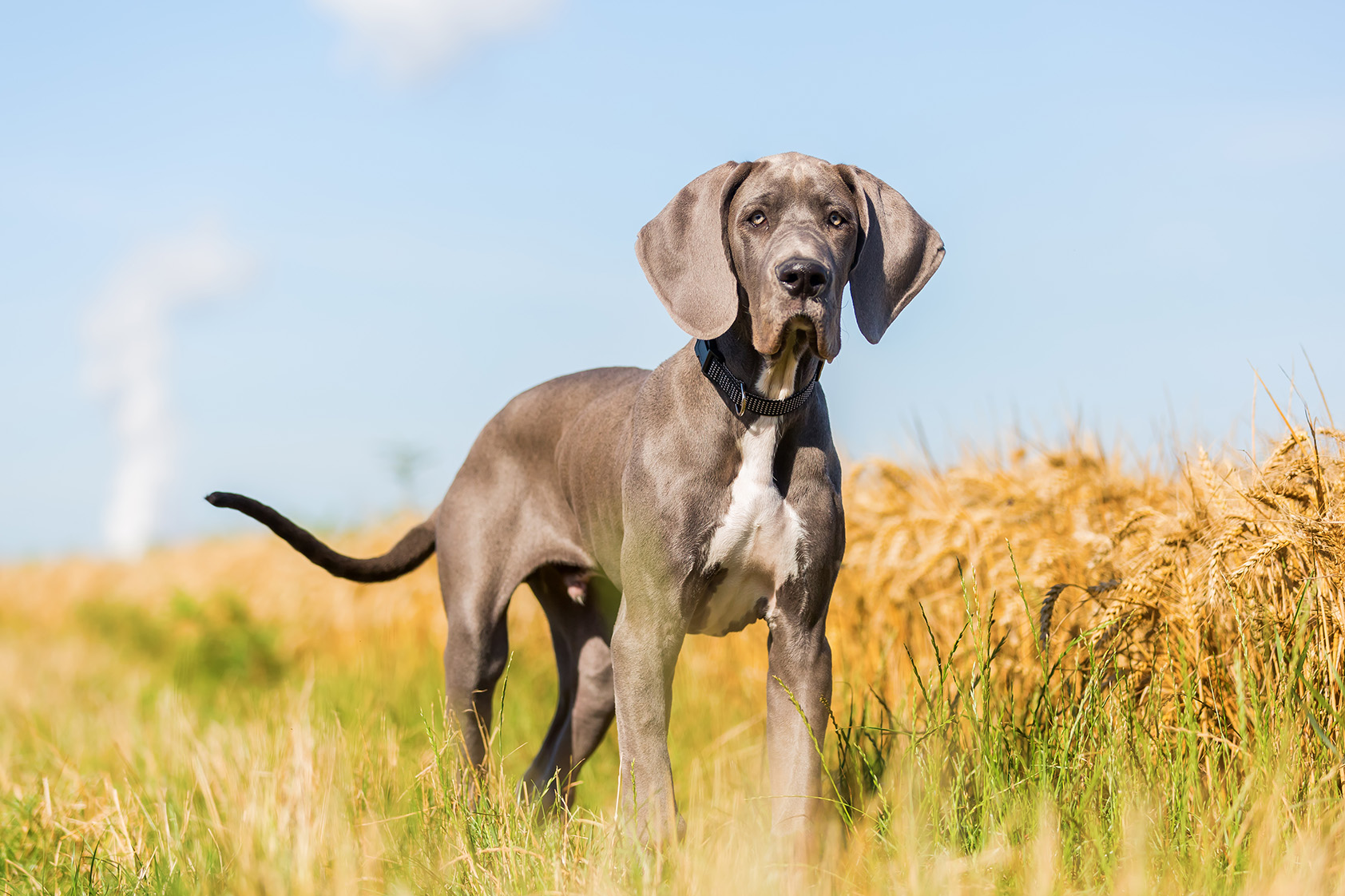
The Great Dane is a true giant breed known for an easygoing, people-friendly nature paired with imposing size and strength. Historically developed from large hunting and estate-guardian dogs, today’s Great Dane is often described as a “gentle giant” when well bred and well raised.
Living with a Great Dane is less about endless exercise and more about thoughtful management: early training, good manners, and a lifestyle that fits a very large dog. They tend to be happiest as close companions—indoors with their people—rather than as backyard dogs.
Description
The Great Dane is a majestic and imposing breed known for its enormous size and gentle temperament. Often referred to as the "Apollo of dogs" due to its noble appearance and impressive stature, the Great Dane was originally bred in Germany to hunt large game, including wild boar. Over time, it evolved from a working dog into a beloved companion, admired for its calm demeanor and loyalty. Despite its size, the Great Dane is known for being affectionate, friendly, and gentle, making it a popular choice for families.
Physically, the Great Dane is one of the largest dog breeds in the world, with males typically standing between 30 and 34 inches at the shoulder and weighing 110 to 175 pounds, while females are slightly smaller. The breed's most striking feature is its height, with some individuals reaching over 7 feet tall when standing on their hind legs. Despite its massive frame, the Great Dane has an elegant, graceful gait and a muscular yet streamlined body. The breed’s short coat is easy to maintain and comes in a variety of colors, including fawn, brindle, blue, black, and harlequin. The Great Dane’s large, expressive eyes and gentle expression contribute to its dignified and friendly appearance.
The Great Dane's temperament is one of its most endearing qualities. While its size might suggest an intimidating presence, this breed is typically very affectionate and sociable. Great Danes are known for their "gentle giant" nature and are often surprisingly calm and patient, even with children and other pets. They are loyal companions who form strong bonds with their families and are generally good with strangers when properly socialized. Though they can be reserved at first, Great Danes are usually not aggressive and are known to be playful and loving.
Despite their relaxed demeanor at home, Great Danes require regular exercise to stay healthy and fit. While they don’t need as much high-energy activity as smaller breeds, they still enjoy daily walks and moderate playtime. Given their size, they are prone to certain health issues, such as hip dysplasia and heart problems, so regular vet checkups are essential. Great Danes also have a relatively short lifespan, usually between 7 and 10 years, which is shorter compared to many other breeds. This, combined with their size, means they require a bit more care in terms of diet and exercise as they age.
In conclusion, the Great Dane is a remarkable breed known for its impressive size, gentle nature, and affectionate temperament. While they may require a bit more space and care due to their size, their loyalty, calm demeanor, and love for their families make them extraordinary companions. Ideal for families or individuals who have room for a large dog and are prepared to meet its physical and emotional needs, the Great Dane is a true testament to the power of affection and gentleness in an imposing package.
History
The Great Dane, often referred to as the "Apollo of Dogs," is a majestic breed with a history that dates back thousands of years. Its ancestors are believed to be ancient mastiff-type dogs, which were depicted in Egyptian carvings and Babylonian artifacts as early as 3000 BCE. These early dogs were used for hunting large game and guarding property. The breed as we know it today began to take shape in Germany, where it was developed in the 16th and 17th centuries as a hunting and guard dog capable of pursuing and bringing down wild boars, a challenging and dangerous task that required both strength and courage.
Despite its name, the Great Dane is not Danish in origin. The breed’s connection to Denmark comes from 18th-century European travelers who referred to the dogs they encountered in Denmark as "Grand Danois" or "Big Danish Dogs." In Germany, where the breed was truly refined, it was known as the *Deutsche Dogge* or German Mastiff. German breeders emphasized the dog's size, elegance, and temperament, creating a breed that was not only a formidable working dog but also a loyal and noble companion.
By the 19th century, the Great Dane had transitioned from a primarily hunting dog to a companion animal, prized for its imposing yet elegant appearance and gentle disposition. The breed was officially recognized in Germany in the late 1800s, and the first breed standard was established in 1880. Its popularity spread across Europe and to the United States, where the American Kennel Club recognized the breed in 1887.
Today, the Great Dane is celebrated for its affectionate nature, loyalty, and towering stature. While it retains its historical strength and bravery, it is more commonly found as a family companion, admired for its gentle demeanor and regal presence. The breed’s rich history reflects its evolution from a hunting powerhouse to a beloved symbol of elegance and companionship.
Appearance
Great Danes are tall, powerful, and elegant, combining substantial bone with a smooth, athletic outline. The breed should look well-proportioned rather than coarse: long lines, a deep chest, and a strong topline that supports efficient movement despite their size.
Coat is short and sleek with relatively simple grooming needs. Colors vary by standard and region, but regardless of color, the hallmark is presence—an impressive silhouette with a calm, dignified expression.
Colors
• Black
• Black & White
• Blue
• Blue & White
• Blue Brindle
• Brindle
• Chocolate
• Chocolate & White
• Chocolate Brindle
• Fawn
• Harlequin
• Mantle
• Mantle Merle
• Merle
• Merlequin
• Silver
• White
Health
As a large, deep-chested breed, Great Danes have an elevated risk for gastric dilatation-volvulus (GDV, “bloat”), a sudden, life-threatening condition where the stomach distends and can twist. Many veterinarians discuss preventive strategies for at-risk breeds, including feeding management and, in some cases, prophylactic gastropexy.
Like many giant breeds, joint and heart health are also common owner concerns, and lifespan is typically shorter than smaller dogs. Choose breeders who prioritize health testing and longevity, keep your dog lean, and work closely with your vet on screening and age-appropriate conditioning.
Care
Great Danes are relatively easy to groom: a quick weekly brush and occasional baths usually handle the short coat. The bigger day-to-day work is physical care—keeping nails trimmed, protecting joints on slippery floors, and providing supportive bedding for a large frame.
Feed and manage like a giant-breed athlete: maintain a lean body condition, avoid “hard exercise” spikes, and use age-appropriate activity. Many owners also learn the warning signs of bloat (GDV) and keep an emergency plan, because time matters if it occurs.
Training
Training should start early and focus on real-world skills: leash walking without pulling, polite greetings, calm settling, and reliable responses to cues. Great Danes are often sensitive and respond best to patient, reward-based training rather than harsh corrections.
Short sessions repeated often work well, especially during adolescence when the dog may be physically huge but still mentally young. Because management errors are amplified by size, it’s worth investing in puppy classes and ongoing practice around distractions.
Temperament
A typical Great Dane is friendly, steady, and affectionate with family. Many are social and enjoy meeting people, but good temperament also includes stability—calm confidence rather than nervousness or defensiveness.
Because they grow so large, even a sweet dog needs excellent manners. Early socialization and positive exposure to handling, new places, and friendly strangers helps prevent fearfulness and teaches the dog to stay composed in busy environments.
Lifestyle
Despite their size, Great Danes are often “house dogs” who prefer lounging near their people. They still need daily walks and enrichment, but many aren’t built for repetitive high-impact running—especially when young and still growing.
Space is helpful but not mandatory; what matters most is room to move safely, good flooring traction, and a calm routine. Plan your home around a giant dog: larger vehicle needs, travel crates, food costs, and the reality that a sick or injured Dane may be difficult to lift without help.
Ownership
Owning a Great Dane is a commitment to gentle leadership and practical logistics. You’ll want a plan for manners (jumping, counter-surfing, leash pulling), and you’ll need equipment sized for a giant: sturdy leash/harness, large crate, and durable bedding.
Before bringing one home, consider health and emergency planning. Know where your nearest 24/7 emergency clinic is, learn the signs of GDV, and talk with your veterinarian about prevention strategies. With good training and management, Great Danes are wonderfully affectionate, low-drama companions—but their size makes preparation essential.
Interesting Facts
• Great Danes are a giant, deep-chested breed often described as “gentle giants.”
• Their short coat is easy to groom, but their size creates bigger day-to-day logistics and costs.
• Early training is crucial because even minor bad habits become serious at 100+ pounds.
• Great Danes are among the breeds commonly predisposed to GDV (“bloat”), a medical emergency.
• Many do best with moderate, joint-friendly exercise and plenty of indoor companionship.
• Keeping a Great Dane lean is one of the most important long-term health strategies.