
Hungarian Wirehaired Vizsla
Basics
The Hungarian Wirehaired Vizsla (often called the Wirehaired Vizsla) is a medium-sized sporting dog developed in Hungary for versatile, all‑purpose hunting. Bred to work closely with a handler, it’s expected to point and retrieve on land and in water, and to stay steady and biddable in the field.
Compared with the smooth-coated Vizsla, the wirehaired variety was developed to better handle cold weather and rough cover. In the home, owners often describe the breed as affectionate and calm indoors when its exercise needs are met, but ready to switch on quickly for outdoor work and play.
Description
The Hungarian Wirehaired Vizsla is a distinguished and versatile hunting dog, closely related to the smooth-coated Hungarian Vizsla, but with a unique wiry coat that sets it apart. Like its smoother cousin, the Wirehaired Vizsla is renowned for its exceptional hunting abilities, particularly its aptitude for retrieving and pointing game. Originating from Hungary, the breed was developed in the early 20th century to withstand the country's harsh climate while maintaining the Vizsla's keen hunting instincts. The Wirehaired Vizsla was specifically bred to be an all-purpose gun dog, able to work in a variety of environments, from dense forests to open fields, and even in water. Today, it excels not only as a hunting companion but also as a loyal and affectionate family pet.
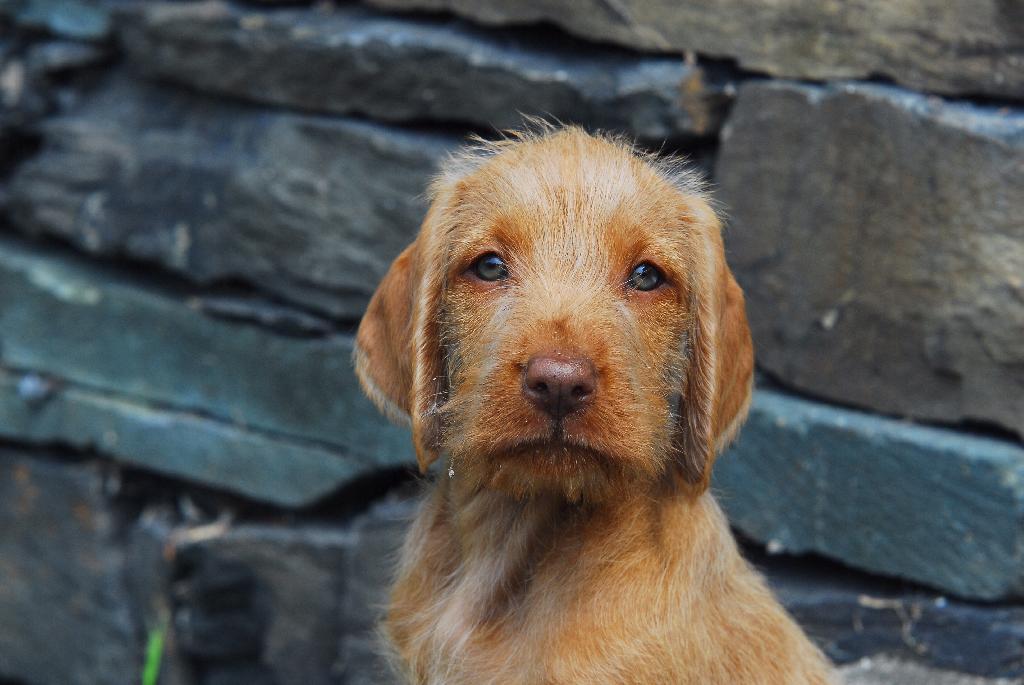
Physically, the Hungarian Wirehaired Vizsla is a medium-sized dog with a sturdy and athletic build. It typically stands between 21 and 25 inches tall at the shoulder, with males generally being larger than females. The breed's most distinguishing feature is its dense, wiry coat, which is harsh and weather-resistant, providing protection from the elements during hunts. The coat typically has a golden to russet hue, similar to the smooth-coated Vizsla, but with a more textured appearance. The Wirehaired Vizsla’s head is well-proportioned with a distinctive "beard" and eyebrows, which give it an expressive and somewhat rugged look. The breed's body is muscular and lean, reflecting its strength, agility, and endurance, all of which are essential traits for a working hunting dog.
The Hungarian Wirehaired Vizsla is highly intelligent, energetic, and eager to please, which makes it relatively easy to train, especially for hunting tasks. It is an all-around sporting dog that excels in pointing and retrieving game, whether it’s birds, rabbits, or even larger game like deer. The Wirehaired Vizsla is also well-suited for waterfowl hunting, with its love for water and ability to swim efficiently. However, despite its high energy and drive, it is also affectionate and calm at home, enjoying time spent with its family. As a versatile working dog, the Wirehaired Vizsla is equally comfortable in the field or at home, as long as it receives the physical exercise and mental stimulation it needs.
In terms of temperament, the Hungarian Wirehaired Vizsla is friendly, loyal, and highly social, forming strong bonds with its family members. Like the smooth-coated Vizsla, it is known for its gentle and affectionate nature, often seeking attention and affection from its owners. However, it is also independent and determined, traits that make it a highly effective hunter but may require firm, consistent training. While it is generally good with children and other pets, the breed's high prey drive can lead to strong chasing instincts, so early socialization and training are important. The Wirehaired Vizsla thrives in active households where it can participate in outdoor activities, such as hiking, running, and of course, hunting.
Overall, the Hungarian Wirehaired Vizsla is a remarkable breed that combines the intelligence, energy, and hunting ability of the Vizsla with the added benefit of a protective, wiry coat. Its affectionate nature and high level of trainability make it an excellent choice for active families or individuals who can provide the exercise and mental challenges the breed requires. Whether as a hunting companion or a family pet, the Wirehaired Vizsla is a loyal, versatile, and loving dog.
History
The Hungarian Wirehaired Vizsla, also known as the Drótszőrű Magyar Vizsla, is a versatile and distinctive gundog that originated in Hungary. Its history begins in the 1930s when breeders sought to develop a hunting dog with the qualities of the Hungarian Vizsla but with a more rugged, weather-resistant coat suitable for harsher climates. The smooth-coated Vizsla, renowned for its agility and versatility, was already a cherished breed in Hungary, but hunters needed a dog that could withstand colder weather, rough terrain, and waterfowl hunting conditions.
To achieve this, Hungarian Vizslas were crossed with German Wirehaired Pointers, resulting in a breed that retained the Vizsla’s intelligence, elegance, and excellent hunting abilities while adding a dense, wiry coat for added protection. The Wirehaired Vizsla quickly proved its value as a reliable and adaptable hunting companion, excelling in tracking, pointing, and retrieving both on land and in water. Its keen nose, trainability, and strong bond with its handler made it a favorite among Hungarian hunters.
The breed’s development was nearly halted during World War II, as Hungary faced significant turmoil. However, dedicated breeders worked to preserve the Wirehaired Vizsla, ensuring its survival through careful breeding programs. The breed gained formal recognition in Hungary in the 1960s and gradually garnered attention internationally. Its unique combination of traits—intelligence, work ethic, and a friendly, loyal temperament—helped it find a place not only in the field but also in family homes.
Today, the Hungarian Wirehaired Vizsla is celebrated as a versatile and hardworking breed. It remains relatively rare compared to its smooth-coated counterpart but is gaining popularity in Europe, North America, and beyond. Whether as a hunting dog, competitor in canine sports, or devoted family companion, the breed’s rich history and enduring qualities make it a valued member of the sporting dog world.
Appearance
This is a sturdy, athletic, rectangular dog with moderate bone—built for stamina rather than bulk. The head is clean and fairly long with a distinct beard and eyebrows that come from the coat furnishings; the expression is alert and intelligent.
The hallmark is the dense, harsh, wiry coat with a protective undercoat. The coat forms the characteristic moustache and beard and helps shield the dog from brush and cold water; overall trimming is usually minimal, aiming for a natural, workmanlike outline.
Color is typically in warm golden sand to russet‑gold shades. Ears are set fairly low and hang close to the cheeks; the tail may be carried level with the back when moving, reflecting a purposeful, ground‑covering gait.
Colors
• Dark Sandy Gold
• Golden
• Golden Rust
• Red
• Red Golden
• Rust
• Rust Golden
• Sandy Yellow
Health
Like many medium-to-large sporting breeds, Wirehaired Vizslas can be affected by orthopedic issues such as hip or elbow dysplasia. Reputable breeders commonly use screening programs and publish results to reduce risk.
They may also have inherited conditions that can be screened via DNA or specialty testing depending on lines. Breed clubs and kennel organizations often list recommended tests and encourage health-focused breeding decisions.
For owners, the practical approach is to choose a breeder who shares documented test results, keep the dog lean and well-muscled, and build exercise gradually during growth. Regular veterinary care, parasite prevention, and prompt attention to limping, persistent itch/ear trouble, or exercise intolerance help catch problems early.
Care
Exercise is the main care requirement. Plan for daily activity that goes beyond a casual walk—running, swimming, field work, long hikes, and structured games (retrieve, scent work) help keep both body and brain satisfied.
Coat care is usually straightforward but a little specialized. The coat is meant to be harsh; frequent softening baths and heavy conditioning aren’t ideal. Weekly brushing/combing to remove dead hair and debris, plus occasional hand-stripping or light tidying around furnishings, keeps the coat functional and neat.
Routine care includes nail trims, ear checks (especially after swimming), and dental hygiene. Because they’re athletic and often active off-leash, owners should also stay on top of tick prevention and check for small cuts or burrs after time in cover.
Training
These dogs are smart and typically respond quickly to training, especially when sessions are upbeat and reward-based. They can also be sensitive to harsh corrections, so steady, consistent guidance usually produces the best results.
Start early with socialization, cooperative handling, and basic manners. Recall and impulse control are especially important for a breed that enjoys running and hunting; building value for checking in with the handler pays off later in more distracting environments.
Channel their working instincts with purpose: retrieving drills, nosework, tracking, dock work, or hunt/point training. Short, varied sessions help prevent boredom, and a predictable routine (work, rest, and calm time) supports a settled adult dog.
Temperament
Wirehaired Vizslas are people-oriented, affectionate, and often happiest when they can stay close to their family. They tend to form strong bonds, prefer being included in day-to-day life, and can become unhappy if left isolated for long stretches.
As working gundogs, they’re energetic, focused outdoors, and usually eager to use their nose. Many are friendly with strangers once properly introduced, but they can be watchful and will alert to new activity.
They generally do best with confident, kind handling and clear routines. When under-exercised or under-stimulated, they may invent their own “jobs” (chewing, digging, nuisance barking), so temperament is at its best in homes that offer structure and outlets.
Lifestyle
This breed fits best with an active household. A securely fenced yard is helpful, but not a substitute for purposeful exercise—most Wirehaired Vizslas thrive when they get daily time to run, explore, train, and retrieve.
They tend to be “with-you” dogs and usually prefer a home where someone is around often or can include the dog in activities. Many do well with respectful children and other dogs when raised with them, but their play style can be enthusiastic, so supervision and training matter.
Apartment living can work only if the owner is committed to significant daily exercise and mental work. Without that, the dog’s energy and need for engagement can become a poor match for close-quarters living.
Ownership
Prospective owners should expect a high-connection companion that wants to participate in your life, not a dog that’s content to be “in the backyard.” Time for training, exercise, and companionship is a core requirement.
Look for breeders who prioritize working ability, stable temperament, and health testing, and who can explain the pros and tradeoffs of the wire coat. Ask for documented screening results, discuss the puppy’s expected drive level, and be honest about your activity plans.
Plan a long-term routine that includes structured outlets (classes, field training, scent sports) and calm house skills. With the right match and consistent investment, the Wirehaired Vizsla can be a versatile sporting partner and an affectionate, steady home companion.
Interesting Facts
- Developed in Hungary as a versatile point-and-retrieve hunting dog, expected to work on land and in water.
- Distinctive harsh, wiry coat with beard and eyebrows helps protect against cold and rough cover.
- Typically described as calm and gentle in the house when well exercised, but very driven and energetic outdoors.
- Strongly people-oriented and often prefers close contact with its family; long isolation can lead to problem behaviors.
- Many kennel organizations and breed clubs recommend health screening (commonly hips/elbows, plus additional tests depending on lines).