
Irish Setter
Basics
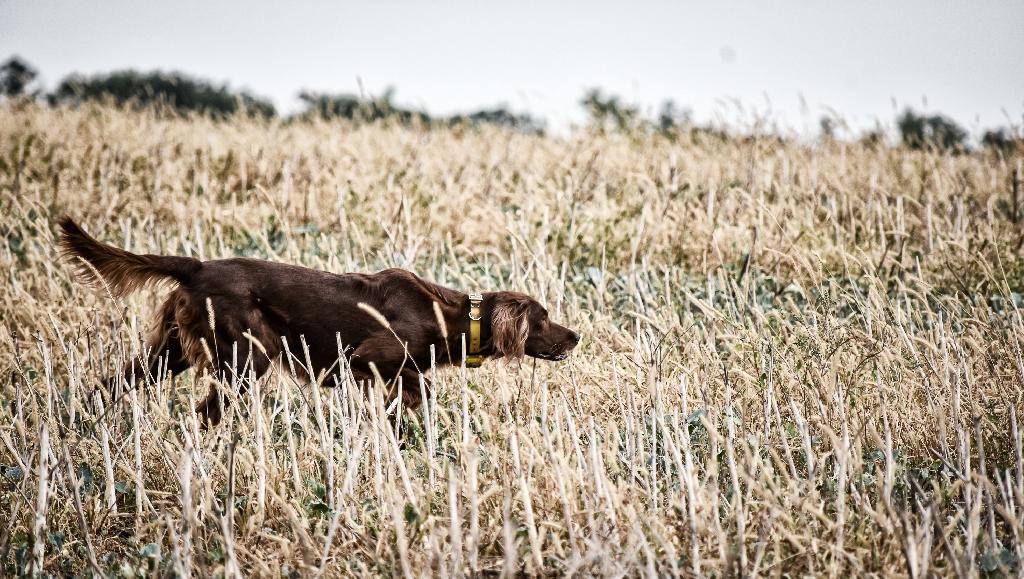
The Irish Setter is a sporting gundog developed in Ireland to locate game birds, “set” (freeze) on scent, and work closely with a hunter. Today it’s still an athletic, high-drive dog at heart, best known for its graceful movement and striking red coat.
In a home, Irish Setters tend to be affectionate, people-oriented companions who do best when they’re included in daily life. They’re typically happiest with consistent exercise, training, and a job to do—whether that’s field work, long runs, or structured play.
Description
The Irish Red Setter, often simply called the Irish Setter, is a breed of dog renowned for its striking appearance and exuberant personality. With its sleek, deep red coat and graceful build, the Irish Setter is one of the most recognizable sporting dogs in the world. Originating in Ireland during the 18th century, this breed was developed as a hunting companion, excelling in locating and pointing out game birds. Its keen sense of smell, athleticism, and boundless energy made it an invaluable asset to hunters across the rugged Irish countryside.
Physically, the Irish Setter is a medium-to-large dog with an elegant and balanced build. Its most distinctive feature is its rich, chestnut-red coat, which is silky and feathered along the ears, chest, legs, and tail. The breed has long, floppy ears, a slightly domed head, and a friendly, intelligent expression. Its long legs and lithe body allow for swift and agile movement, which is essential for its role as a field dog. Despite its athletic prowess, the Irish Setter is also known for its beauty and grace, often excelling in show rings worldwide.
In terms of temperament, the Irish Setter is outgoing, affectionate, and playful. It is a breed that thrives on companionship and is particularly good with families, especially those with active lifestyles. Their friendly disposition makes them excellent with children and other animals, although their high energy levels mean they require plenty of exercise and mental stimulation. Irish Setters are also intelligent and eager to please, but they can be somewhat independent and require consistent training. Their playful and spirited nature makes them a joy to be around, but it also means they are best suited to homes that can accommodate their energetic lifestyle.
Today, the Irish Setter is cherished as both a working dog and a family companion. While some individuals still excel in field trials and hunting activities, others have transitioned into loving family pets. They are also known for their versatility, participating in dog sports such as agility, obedience, and tracking. Whether working in the field or lounging with their families, Irish Setters continue to captivate with their beauty, charm, and boundless enthusiasm for life.
History
The Irish Setter is a bird dog breed that traces its origins to Ireland in the 18th century. Early Irish sportsmen and hunters sought an agile, swift, and keen-nosed dog that could track and point game birds in the boggy and rugged Irish countryside. These hunters selectively bred various spaniels, setters, and pointers—possibly including the old Spanish Pointer and local Irish spaniels—to develop the foundation of what would become the modern Irish Setter. Initially, Irish Setters were often red-and-white in color, although solid red individuals began gaining favor in the 19th century. Over time, the signature deep red coat emerged as the breed’s hallmark, resulting from breeders who focused on both field ability and visual appeal.
By the mid-19th century, the Irish Setter’s beauty and skill in the field had started drawing international attention. Irish breeders such as the Earl of Enniskillen played pivotal roles in refining the breed’s conformation and encouraging its popularity beyond Ireland. These dogs proved highly capable in pointing and retrieving game birds across varied terrains, excelling in Ireland’s notorious bogs and moors. As field trials gained in popularity during the Victorian era, the Irish Setter dazzled with its elegance, speed, and determination.
The breed made its way to the United States in the mid-19th century, where it was officially recognized by the American Kennel Club (AKC) in 1878. Over the next century, Irish Setters underwent divergence between lines bred for field performance and those bred for show. Show lines emphasized the flowing coat, refined head, and distinctive silhouette, while field lines focused on maintaining high energy, trainability, and an exceptional nose for game. Though these variations exist, the Irish Setter remains universally admired for its vibrant mahogany coat and exuberant spirit. Whether still used in hunting or enjoying life as a family companion, the Irish Setter embodies centuries of breed development rooted in the heart of Ireland’s sporting traditions.
Appearance
Irish Setters are upstanding, active dogs that look substantial yet elegant, with obvious balance both standing and moving. The body is built for a long, free stride, and the head is lean and long with a soft but alert expression.
The coat is short and fine on the head and fronts, with longer, flat feathering on the ears, belly, and backs of the legs. Color is a rich chestnut red to mahogany; small white markings on chest/throat/toes may occur, while any trace of black is undesirable.
Colors
• Chestnut
• Mahogany
• Red
Health
Irish Setters are generally robust athletes, but like many medium-to-large, deep-chested sporting breeds they benefit from thoughtful management and preventative care. Keep them lean and well-conditioned, and talk with your veterinarian about appropriate exercise progression, parasite prevention, and dental care.
When choosing a breeder, ask what health screening is done and request documentation of results (for example, orthopedic and eye evaluations, and any available DNA testing used in the breed). Also learn the signs of urgent conditions such as bloat/GDV and have a plan for emergency care.
Care
Plan on regular grooming. Their feathered coat benefits from a few thorough brush-outs per week to prevent tangles and to remove burrs after outdoor time; more frequent grooming is common during shedding seasons.
Exercise is not optional for this breed. A long daily walk alone rarely satisfies an Irish Setter—add free running in a secure area, fetching, field-style games, or canine sports. Basic care also includes routine ear checks/cleaning (drop ears can trap moisture) and nail, teeth, and paw maintenance.
Training
Start early with short, upbeat sessions and lots of positive reinforcement. Irish Setters are bright and willing, but their enthusiasm and bird-dog instincts can make them distractible, especially outdoors.
Prioritize recall, loose-leash skills, and calm greetings, then build on those with structured outlets like retrieving, scent games, and steadiness/impulse-control work. Consistency matters: frequent practice in gradually more distracting environments usually produces the best reliability.
Temperament
Irish Setters are energetic, friendly, and intelligent, with a famously “rollicking” personality. Many are social butterflies—warm with family, typically pleasant with visitors, and often playful well into adulthood.
That exuberance can be a lot without guidance. They usually do best with owners who enjoy an active routine and who can provide daily outlets for running, sniffing, retrieving, and learning, plus enough companionship to prevent boredom-related mischief.
Lifestyle
This breed fits best with active people who can provide daily, vigorous exercise and plenty of time together. They often thrive in homes that hike, run, hunt, or participate in sports like agility, obedience, rally, or field events.
Irish Setters can do fine in many living situations if their needs are met, but they are rarely “low maintenance.” Without enough activity and engagement, they may become noisy, restless, or destructive. A securely fenced yard (or equivalent safe exercise access) is a big plus.
Ownership
A good Irish Setter should look and move with balance and grace, and should also have the stable, friendly temperament the breed is known for. Work with responsible breeders or reputable rescues who can describe the dog’s energy level and history, and who support you after placement.
Be realistic about the commitment: regular grooming, daily training and exercise, and safe management around wildlife distractions are part of the package. In return, many owners get a joyful, affectionate companion who wants to be involved in everything.
Interesting Facts
• Developed in Ireland as a working gun dog used for finding and “setting” game birds.
• Known for an upstanding, active outline and a rich chestnut-red to mahogany coat.
• UKC places the breed in the Gun Dog Group and recognized the Irish Setter in 1914.
• Typically friendly and intelligent, but often exuberant—early training and socialization pay off.
• The feathered coat needs routine brushing, especially after time in fields/woods.
• Best suited to active homes that can provide daily vigorous exercise and mental work.