
Komondor
Basics
The Komondor is a large, ancient livestock-guardian breed from Hungary, developed to live with and protect sheep and other stock with minimal direction from people. In a home setting, that same purpose shows up as strong territorial instincts, a tendency to decide for itself what needs guarding, and deep loyalty to its family.
This isn’t a “go-with-the-flow” dog. Komondors do best with owners who want a serious guardian, can provide consistent structure, and are comfortable managing a powerful working breed that was bred to think independently.
Description
The Komondor is a distinctive and ancient breed of livestock guardian dog, known for its striking, corded coat and its protective nature. Originating from Hungary, the Komondor was developed to guard sheep and other livestock from predators, including wolves and bears. Its history dates back over a thousand years, with the breed believed to have descended from large, flock guardian dogs brought to Hungary by the Magyar tribes. The Komondor's role as a livestock protector is deeply ingrained in its character, and it remains one of the most effective guardian breeds today.
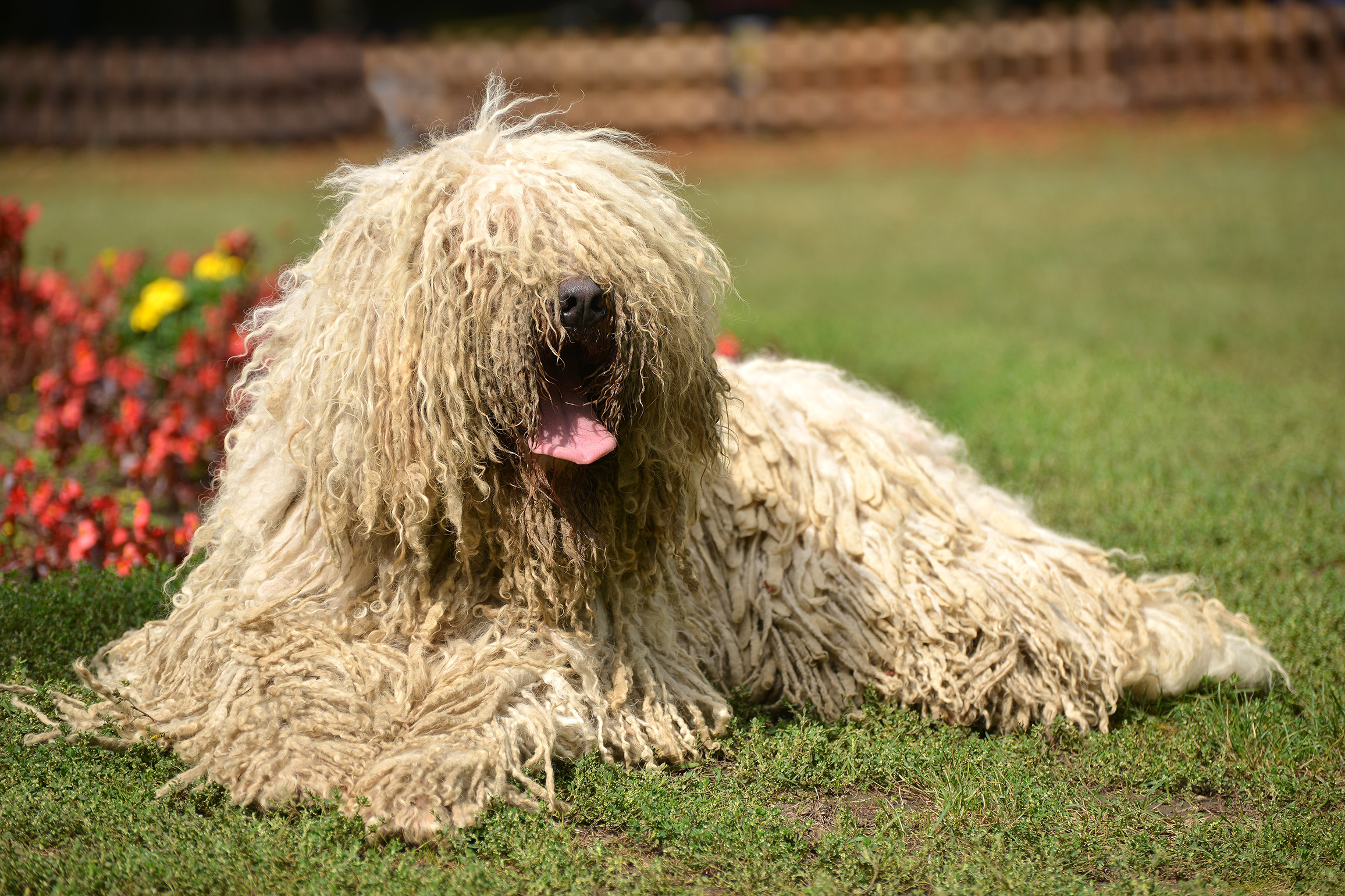
One of the most notable features of the Komondor is its thick, long, white coat, which forms distinct cords that resemble dreadlocks. These cords, which develop naturally over time, serve as protection against the elements and attacks from predators, much like a thick armor. The coat is dense and heavy, requiring regular maintenance to keep it clean and healthy. While the coat’s appearance is unique and eye-catching, it is also functional, providing the Komondor with excellent protection from harsh weather and threats. The breed’s overall size is large, with males often weighing between 100 and 130 pounds, making it an imposing figure.
Temperamentally, the Komondor is known for its intelligence, independence, and fierce loyalty. As a livestock guardian, it has a strong instinct to protect its family and territory, and it is often described as calm and confident in its role. While it may appear aloof or reserved around strangers, the Komondor is deeply attached to its family and can be affectionate with its human companions. However, its natural guarding instincts mean it is not typically suited to being a typical pet or companion dog for those unfamiliar with the breed’s needs. Early socialization and consistent training are essential to ensure it behaves appropriately around people and other animals.
The Komondor is an independent thinker and can sometimes be stubborn, which can make training a challenge, especially for first-time dog owners. However, with proper guidance and firm, consistent handling, they are highly trainable and capable of becoming devoted guardians of both livestock and family. This breed is not an ideal choice for households without a clear purpose for the dog, as its protective nature and high-energy level require a job to do. Komondors are best suited to rural or farm environments where they can be actively engaged in guarding and protecting livestock.
In summary, the Komondor is a unique and powerful breed with a long history as a guardian dog. Its distinctive appearance, protective instincts, and loyalty make it a remarkable companion for those who understand and appreciate its special needs. Whether on a farm or ranch, the Komondor continues to be a valued guardian dog, offering both protection and companionship in a variety of environments.
History
The Komondor, often called the "Hungarian sheepdog," is a distinctive and ancient breed with a history deeply intertwined with Hungary’s pastoral traditions. Its origins trace back over a thousand years, likely introduced to the Carpathian Basin by nomadic Magyar tribes who migrated from Central Asia around the 9th century. The Komondor's ancestors were large, powerful livestock guardian dogs that protected flocks from predators such as wolves and bears. The breed's unique corded coat, resembling long, thick dreadlocks, provided both camouflage and protection against harsh weather and potential bites during confrontations with predators.
The Komondor’s name derives from the Hungarian word *komondor*, which historically referred to a dog guarding livestock. The breed became an essential part of rural life in Hungary, valued not only for its ability to guard flocks but also for its intelligence and independence. Unlike herding dogs, which actively move livestock, Komondors are guardians by nature, bonding closely with their charges and defending them from threats without needing human supervision.
By the late 19th century, the Komondor gained recognition beyond Hungary, with efforts to standardize and preserve the breed beginning in the early 20th century. The breed was officially recognized by the Fédération Cynologique Internationale (FCI) in 1933, further solidifying its status as a national treasure. However, the two World Wars and the mechanization of agriculture led to a decline in the breed’s population. Dedicated Hungarian breeders worked to restore its numbers and maintain its traditional characteristics.
Today, the Komondor remains a symbol of Hungarian heritage and is recognized worldwide for its striking appearance and guardian instincts. While it is still used as a working dog in some regions, it has also gained popularity as a loyal family companion. The Komondor’s history as a protector of livestock and its unique physical traits reflect its enduring legacy as one of the most distinctive and resilient breeds in the world.
Appearance
A Komondor is instantly recognizable for its dense, white coat that naturally forms long cords as it matures. Under the cords is a big, muscular dog built for endurance and quick, athletic movement rather than heavy, lumbering mass.
The head and body are substantial, with a protective outline and a dignified presence. The coat isn’t just a signature look—it historically helped the dog blend with a flock and offered protection from weather and predators.
Colors
• White
Health
Like many large breeds, Komondors can be affected by orthopedic issues such as hip dysplasia, so responsible breeding and maintaining a healthy body condition are important. Some breed resources also note eyelid/eye concerns such as entropion and juvenile cataracts, which should be screened for in breeding programs.
Bloat (gastric dilatation-volvulus) is a serious risk seen in deep-chested breeds; owners should learn the warning signs and discuss prevention strategies with their veterinarian. As with any heavily coated dog, skin and ear health benefit from regular inspection and prompt attention to irritation or infection.
Care
The famous cords require hands-on coat care. Instead of frequent brushing like many long-coated breeds, owners typically separate forming cords, keep the skin clean and dry, and watch for debris, matting at the base, and odor that can signal moisture problems.
Routine care also includes regular ear checks (drop ears and a heavy coat can trap moisture), nail trims, and thorough parasite checks—ticks and fleas can hide in the coat. Plan for extra time after baths or wet weather, because a corded coat can take a long time to dry.
Training
Komondors are intelligent and capable, but their guardian background means they aren’t eager to follow repetitive drills just to please. Training works best when it’s consistent, calm, and purposeful—clear household rules, short sessions, and rewards that make sense to the dog.
Start early: basic obedience, leash skills, and structured introductions to people, animals, and environments while the dog is still impressionable. Because this is a powerful breed that may act on instinct, reliable recall, boundary training, and confident handling matter more than flashy tricks.
Temperament
When things are calm, the Komondor is typically steady and watchful, conserving energy until it believes action is needed. With its family, it can be affectionate and devoted, often choosing a quiet “on duty” spot where it can monitor the home.
With strangers, many Komondors are naturally wary and may be slow to accept new people, especially on their own property. Because the breed was selected to respond decisively to threats, early socialization and thoughtful management are essential to keep protectiveness from tipping into inappropriate suspicion or aggression.
Lifestyle
A Komondor tends to thrive where it has a clear “territory” to oversee—typically a home with a securely fenced yard rather than an apartment or a high-traffic shared hallway environment. Many will patrol, post up at vantage points, and alert-bark, especially at night, which can be a problem in close quarters.
They often do best with predictable routines, controlled visitor management, and owners who are willing to advocate for the dog’s space. Off-leash dog-park life and lots of unknown dogs and people can be a poor fit for a serious guardian breed.
Ownership
Owning a Komondor is closer to partnering with a working guardian than keeping a casual pet. The breed’s size, strength, and protective nature mean you should expect to invest heavily in early socialization, ongoing training, and management (secure fencing, safe introductions, and clear rules for guests).
Prospective owners should seek breeders who prioritize stable temperament and health testing, and should meet adult dogs when possible to understand the reality of living with the breed. In the right home, a Komondor can be an exceptionally devoted protector—but it’s generally best for experienced handlers who want that responsibility.
Interesting Facts
- Origin: Hungary; historically used as a livestock guardian on open plains.
- Signature trait: a white coat that forms natural cords as the dog matures.
- Temperament theme: independent, watchful, and strongly protective of home and “flock.”
- Best fit: experienced owners who can provide structure, socialization, and secure containment.
- Coat reality: cord care and drying time after getting wet are major time commitments.
- Health notes often discussed for the breed include hip dysplasia, eye/eyelid issues (e.g., entropion/cataracts), and bloat risk.