
Kooikerhondje
Basics
The Kooikerhondje (often written as Nederlandse Kooikerhondje) is a small, sporty Dutch gundog that was traditionally used at duck decoys. In that work, the dog’s cheerful movement and white-plumed tail helped lure curious waterfowl within range, then the dog returned to its handler for the next “tolling” pass.
Today, most Kooikers are companion dogs, but they still carry a strong “working” mindset: they notice everything, enjoy having a job, and bond closely with their people. They tend to be lively and agile rather than hyper, and they’re usually at their best when daily exercise is paired with training and brain games.
Description
The Kooikerhondje, also known as the Dutch Decoy Dog, is a charming and agile breed originally developed in the Netherlands for duck hunting. The breed's primary role was to assist hunters by luring ducks into traps, a task that required a combination of intelligence, agility, and keen instincts. The Kooikerhondje’s name is derived from the Dutch word “kooiker,” meaning "decoy," reflecting its historical purpose. Though the breed nearly disappeared in the 20th century, efforts to revive it have led to its growing popularity, particularly in Europe and the United States.
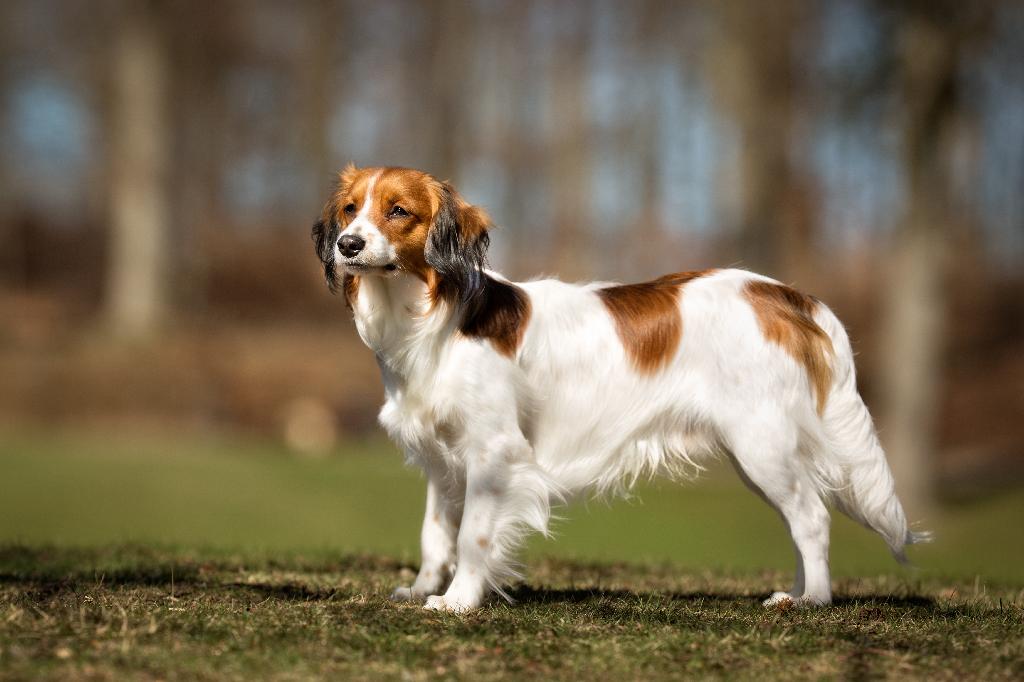
Physically, the Kooikerhondje is a small to medium-sized dog, standing around 16 to 17 inches at the shoulder and weighing between 20 to 30 pounds. It has a striking, medium-length coat that is typically a combination of orange, white, and black, with a signature pattern of reddish-orange markings on the body and face. The breed’s coat is silky and slightly wavy, giving it a refined appearance, while its plume-like tail and expressive, dark eyes contribute to its overall charm. Despite its elegance, the Kooikerhondje is an athletic dog, built for speed and agility, traits that are essential for its work as a retriever.
The Kooikerhondje is known for its playful, friendly, and affectionate personality. It is an intelligent breed that is eager to please and responds well to training. While it has a natural instinct to work, it is also an excellent companion dog, bonding closely with its family members. Kooikerhondjes are generally good with children and other pets, making them well-suited for family environments. They are active and enjoy having a job to do, whether that’s participating in dog sports, agility training, or just engaging in active play with their owners. Without sufficient mental and physical stimulation, they may become bored and develop undesirable behaviors.
Training a Kooikerhondje is relatively straightforward due to its intelligence and desire to please. However, like many working breeds, they benefit from early socialization and consistent, positive reinforcement training. Because of their high energy levels, they require regular exercise, and they excel in activities such as agility and obedience trials. While they are well-suited to families with an active lifestyle, they also thrive in homes where they can be included in daily activities and given plenty of attention.
In summary, the Kooikerhondje is a versatile, charming, and affectionate breed that makes an excellent companion for active families. With its roots in hunting and retrieving, it brings both energy and intelligence to the table, making it ideal for homes that can provide it with ample stimulation and physical activity. Whether as a working dog or a beloved family pet, the Kooikerhondje's friendly nature, intelligence, and agility continue to make it a favorite among dog lovers worldwide.
History
The Kooikerhondje, also known as the Dutch Decoy Dog, is a small and energetic breed with a rich history that dates back to the 16th century in the Netherlands. Originally bred as a working dog, the Kooikerhondje played a crucial role in a traditional hunting method called "duck decoying." These dogs were used to lure ducks into elaborate traps or *eendenkooi* (duck decoys), a practice that was vital for both food and feather collection in rural Dutch communities. The breed’s name derives from the Dutch words *kooiker* (decoy man) and *hondje* (little dog), reflecting its specific purpose and size.
The Kooikerhondje became a favorite among Dutch hunters and farmers due to its intelligence, agility, and cheerful demeanor. Its characteristic white-tipped tail, known as the "flag," was used to attract ducks' attention while it moved along the decoy canals. This unique working role, combined with the breed’s loyal and friendly nature, made it a valued companion for centuries. The Kooikerhondje’s image frequently appears in Dutch art and literature of the Golden Age, highlighting its cultural significance during this period.
By the 19th and early 20th centuries, the breed's numbers declined dramatically due to changing hunting practices and industrialization, which reduced the need for traditional duck decoying. The breed faced near extinction during World War II, but it was revived thanks to the efforts of Baroness Van Hardenbroek van Ammerstol. In the 1940s, she began a breeding program to restore the Kooikerhondje, sourcing the few remaining dogs that fit the breed’s traditional description. Her work ensured the survival of this historic breed.
Today, the Kooikerhondje is a cherished companion in the Netherlands and beyond. Recognized by the Fédération Cynologique Internationale (FCI) in 1971 and the American Kennel Club (AKC) in 2018, it has gained popularity as a versatile, trainable, and affectionate family dog. The Kooikerhondje’s enduring legacy reflects its adaptability and the dedication of those who worked to preserve its unique heritage.
Appearance
Kooikerhondjes are balanced, almost square-proportioned dogs with an athletic outline and an alert, bright expression. They’re built for endurance and quick turns, not bulk, and they move with an easy, efficient stride that matches their history as an all-day field companion.
The coat is medium-length with a soft, weather-resistant feel and feathering on the legs, chest, and tail. Typical coloration is white with orange-red patches, and many have distinctive black tips on the ears (often called “earrings”), plus a well-feathered tail that’s carried gaily when the dog is active.
Colors
• White & Red
• White and Chestnut
Health
Kooikerhondjes are generally sturdy, but the breed has several known inherited conditions that reputable breeders monitor. Depending on lines, these may include knee issues (such as patellar luxation), bleeding disorders (including von Willebrand disease), certain neurologic problems, and other heritable concerns.
The practical takeaway for owners is to buy or adopt with eyes open: ask breeders for health-test documentation, learn what conditions are tracked in the breed, and keep up with routine veterinary care. Maintaining a lean body condition, building athletic fitness gradually, and addressing limping, weakness, or unusual bruising/bleeding promptly can help protect long-term comfort and function.
Care
Daily activity is non-negotiable for most Kooikers. They generally thrive on a mix of brisk walks, off-leash running in secure areas, and structured games like retrieving, scentwork, or “find it.” Mental work is just as important as physical exercise; without it, this clever breed can invent its own entertainment.
Grooming is moderate. A thorough brush once or twice a week helps prevent tangles in the feathering and reduces shedding, with extra attention during seasonal coat blows. Basic maintenance—nail trims, dental care, and regular ear checks/cleaning—goes a long way, especially for dogs that swim or spend a lot of time outdoors.
Training
Kooikerhondjes are typically eager learners, but they can be sensitive to harsh handling. They respond best to short, upbeat sessions with clear rewards, plus plenty of “real life” practice so skills generalize outside the house. Focus early on recall, loose-leash walking, and a solid settle/relax cue.
Because they’re alert and can be watchful, it helps to train a quiet/thank-you cue and to reward calm observation. Many enjoy activities that give them a purpose—rally, agility, nosework, trick training, and retrieving games—so channeling their energy into structured outlets often produces a noticeably easier house dog.
Temperament
A well-bred Kooikerhondje is usually friendly and affectionate with its family, often choosing a favorite person but staying engaged with the whole household. They’re typically bright and observant—quick to learn patterns and quick to notice changes—so they do best with calm, consistent boundaries.
With strangers, many are a bit reserved at first rather than instantly social. Early, positive socialization (especially during puppyhood) helps them grow into confident adults. Because they were developed for hunting-adjacent work, some individuals have a prey drive and may be keen to chase birds or small wildlife, so thoughtful introductions and good management matter around smaller pets.
Lifestyle
This breed is a strong fit for people who want an active, involved companion rather than a low-key couch dog. A Kooiker can adapt to different living situations, including smaller homes, as long as exercise and enrichment are reliable and there’s a plan for safe, controlled outdoor time.
They’re typically people-oriented and may not love being left alone for long stretches day after day. If your schedule is busy, plan for a midday break, a dog walker, or enrichment routines (puzzle feeding, scent games, training “micro-sessions”) to prevent boredom and nuisance behaviors.
Ownership
If you’re considering a Kooikerhondje, prioritize temperament and health screening. Seek breeders who can explain their testing program, discuss the pros and challenges of the breed honestly, and match you with a puppy whose drive and sensitivity fit your household. Rescue can also be a great route—many adults settle quickly when their routine is predictable.
Set household rules early and keep training consistent, especially around recall and polite greetings. With thoughtful socialization, enough daily activity, and a job to do, Kooikers are often delightful: affectionate at home, game for adventures, and happiest when they’re included in everyday life.
Interesting Facts
- Dutch “decoy dog” originally used at duck decoys to lure waterfowl within range.
- Common coloring is white with orange-red patches; many have black-tipped ear “earrings.”
- Smart, observant, and usually a bit reserved with strangers until properly introduced.
- Needs daily exercise plus mental enrichment; often excels in agility, rally, and nosework.
- Responsible breeders emphasize health testing because several inherited conditions are known in the breed.