
Llewellin Setter
Basics
The Llewellin Setter is best understood as a long-established field-bred strain of the English Setter, developed with an emphasis on practical bird-finding ability, range, and cooperation with a walking hunter. In North America you’ll sometimes see “Llewellin” used to describe English Setters bred primarily for upland work rather than the conformation show ring.
These dogs are athletic, people-oriented gundogs that thrive when they have a job to do—training, hunting, structured exercise, or regular dog sport work that engages their nose and their brain. Many live happily as family companions, but they do best in homes that enjoy being outside and can provide consistent outlets for energy and instincts.
Description
The Llewellin Setter is a distinguished and versatile breed of dog, primarily known for its exceptional hunting and pointing abilities. It is a type of English Setter that was selectively bred for its superior performance in the field, particularly in bird hunting. The breed is named after R.L. Llewellin, an Englishman who, in the late 19th century, refined and improved the breed through his focused efforts to produce a dog with excellent fieldwork, agility, and a natural ability to point and retrieve game. The Llewellin Setter’s refined abilities as a hunting dog, combined with its friendly demeanor, make it a popular choice for hunters and dog enthusiasts alike.
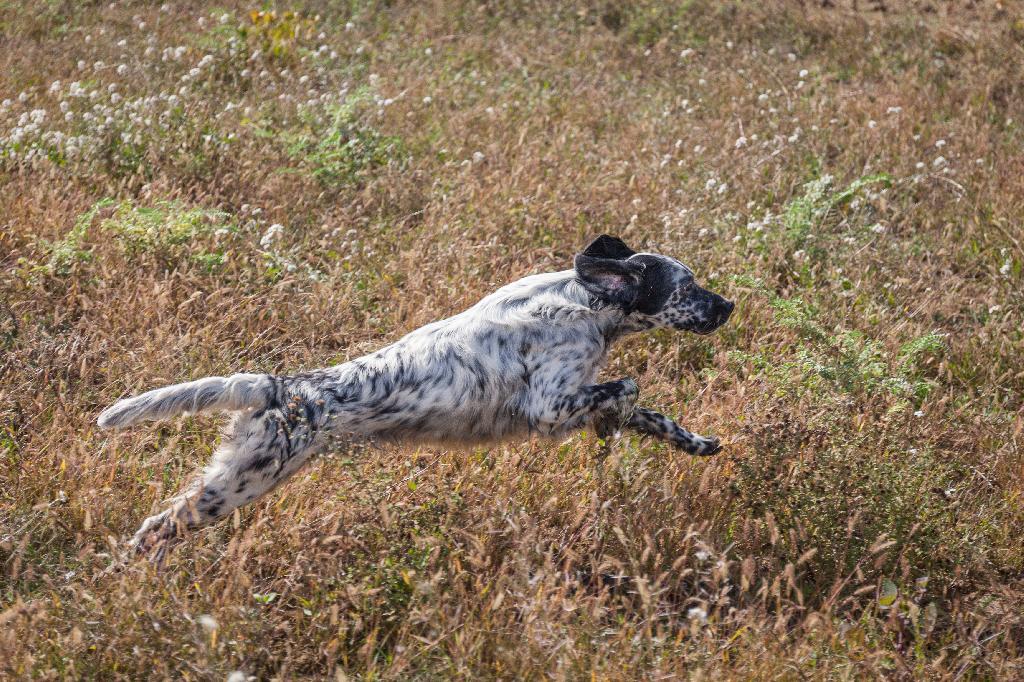
Physically, the Llewellin Setter is an elegant, athletic dog with a well-balanced, muscular build. Males typically stand between 23 to 25 inches at the shoulder, while females are usually slightly smaller. They are known for their long, flowing coat, which is typically white with speckles of orange, black, or liver, giving them a beautiful and distinctive appearance. Their coat is smooth and silky but requires regular grooming to prevent matting. With their long legs and strong, lean body, the Llewellin Setter is built for endurance, capable of running for long periods and covering great distances in pursuit of game.
Temperamentally, the Llewellin Setter is renowned for its friendly and gentle nature. These dogs are typically affectionate, loyal, and eager to please, making them excellent companions both in the field and at home. Their high energy and playful nature mean they thrive in active households, where they can receive plenty of exercise and attention. Though they are highly intelligent and easily trainable, Llewellins require consistent leadership, as their hunting instincts can sometimes be strong. They are known to be gentle with children and other pets, and their sociable demeanor makes them an excellent choice for families and hunters alike.
As a hunting dog, the Llewellin Setter is renowned for its exceptional pointing ability, which makes it an outstanding bird dog. It has a natural talent for finding and locating game, particularly upland birds such as quail and pheasant. Its keen nose and instinctive pointing behavior make it an invaluable tool for hunters, and its high energy levels and enthusiasm for the chase ensure that it can keep up in challenging terrain. Unlike some other breeds, the Llewellin Setter is known for its methodical and precise work in the field, making it a reliable and efficient hunting partner.
In summary, the Llewellin Setter is a highly skilled and versatile dog with a beautiful appearance and a gentle temperament. Known for its exceptional hunting abilities, particularly in bird hunting, this breed excels both in the field and as a loyal family companion. Its intelligence, friendly nature, and strong work ethic have earned it a dedicated following among hunters and dog lovers, and it remains a cherished breed for those who appreciate its athleticism, intelligence, and affectionate demeanor.
History
The Llewellin Setter is a distinguished strain of the English Setter, specifically bred for exceptional hunting abilities and versatility in the field. Its history begins in the mid-19th century, when Edward Laverack, an English breeder, began refining the English Setter to create a bird dog known for its pointing, retrieving, and stamina. Laverack’s work laid the foundation for the modern English Setter, and his dogs became highly regarded for their elegance and performance.
In the late 19th century, another breeder, Richard Purcell Llewellin, further refined Laverack’s lines by selectively breeding the best field-performing English Setters. Llewellin introduced outcrosses with dogs from other strains, including the bloodline of R. L. Purcell's Duke and Kate, which proved to enhance the hunting qualities he sought. The resulting dogs, known as Llewellin Setters, were smaller, more agile, and had an intense focus on fieldwork. They quickly gained a reputation among hunters for their exceptional ability to locate and point game birds, making them a favorite in field trials and hunting expeditions.
The Llewellin Setter was imported to the United States in the late 19th and early 20th centuries, where it found a strong following among bird hunters. American enthusiasts valued its natural instincts, intelligence, and adaptability to various terrains and climates. Unlike show-bred English Setters, the Llewellin Setter has remained a performance-driven strain, with breeding focused on maintaining its field abilities rather than conforming to aesthetic standards.
Today, the Llewellin Setter is celebrated as one of the premier hunting dogs, particularly in North America. While it is not recognized as a separate breed by major kennel clubs, it is regarded as a distinct strain within the English Setter lineage. Its history reflects the dedication of breeders like Llewellin and the enduring appeal of a dog that combines grace, intelligence, and an unparalleled passion for the hunt.
Appearance
Llewellin Setters typically look like a lighter, more workmanlike English Setter: clean lines, an elegant outline, and a build made for covering ground efficiently. Compared with many show-bred English Setters, field strains are often a bit leaner and may carry less coat and feathering, which can make day-to-day upkeep easier.
Coat is usually flat to slightly wavy and should feel silky rather than woolly. Color patterns commonly follow English Setter “belton” style (flecking/ticking), such as blue belton, orange belton, lemon belton, liver belton, and tri-color combinations. Ears hang in neat folds, the tail is carried with animation while working, and overall balance and soundness matter more than exaggerated features.
Colors
• Blue Belton
• Chestnut Belton
• Lemon Belton
• Liver Belton
• Orange Belton
• Tri-colour Belton
• Tricolored
• White & Black w/ Tick
Health
As a strain within the English Setter population, Llewellins can share some of the same health considerations seen in the broader breed. Reputable breeders typically prioritize temperament and working soundness, and they may also screen hips/elbows and watch for heritable eye issues, thyroid problems, and congenital hearing concerns that have been reported in English Setters.
The most practical “health plan” is to buy from a breeder who can show proof of relevant health testing in their lines, keeps detailed records, and stands behind their dogs. For owners, keep nails short, maintain a lean body condition, and stay current on parasite prevention—field dogs, in particular, have higher exposure to ticks and other hazards.
Care
Coat care depends on how much feathering your dog carries. In general, plan on brushing a few times per week to prevent tangles on ears, chest, legs, and tail, plus more frequent checks during burr and sticker season. A quick wipe-down after field time and occasional trimming of feet/feathering can reduce matting and keep the dog comfortable.
These are active dogs that need real exercise—long walks, off-leash runs in safe areas, structured retrieving/pointing games, and nosework-style activities. Because they can be enthusiastic eaters and highly active, keep an eye on body condition, feed a performance-appropriate diet, and build conditioning gradually (especially before hunting season) to protect joints and soft tissue.
Training
Training goes best when you lean into what they were bred for: partnership and problem-solving in the field. Use short, frequent sessions with food, toys, and access to fun (a run, a retrieve, a sniff) as rewards. A clear marker (clicker or “yes”) plus consistent rules usually produces faster, happier progress than drilling.
For pet homes, the big three are recall, loose-leash walking, and calmness around birds/squirrels—skills that prevent most frustration. For hunting homes, foundational obedience (whoa/steady, recall, quartering pattern, kennel/crate comfort) should be installed before adding pressure, and many dogs benefit from a trainer who specializes in pointing breeds so instincts are shaped safely and humanely.
Temperament
In temperament, a good Llewellin is friendly, affectionate, and social with people, often forming a strong “shadow dog” bond in the home. They’re typically gentle-mouthed and soft-natured, responding best to calm, upbeat handling rather than heavy corrections.
Outside, their bird-dog wiring shows up as curiosity, stamina, and a strong desire to hunt with their nose up, quarter, and point. That drive can translate to distractibility around scents and moving wildlife, so early recall work, leash skills, and thoughtful exposure to new environments are important for a well-mannered companion.
Lifestyle
A Llewellin Setter fits best with an active household that genuinely enjoys daily outdoor time. They are usually happiest with space to run (or frequent trips to safe running areas) and with a routine that includes both physical exercise and mental work. Without that, many will invent their own entertainment—digging, counter-surfing, nuisance barking, or “selective hearing” when a scent is more interesting than you are.
They generally do well with respectful children and other dogs when socialized, and many are pleasant housemates once their exercise needs are met. Plan on management around wildlife and birds: secure fencing, a long line for training, and a reliable recall are important if you live near open fields or woods.
Ownership
Before bringing one home, decide whether you want a hunting partner, a sport dog, or an active companion—then choose a breeder whose dogs actually match that goal. “Llewellin” is sometimes used loosely, so ask about pedigree/registry practices, how the parents are worked, and what the breeder selects for (range, biddability, intensity on birds, house manners). Meet adult relatives if possible; you’ll learn more in 10 minutes of watching them move and think than from any photo.
Ownership is easiest when you plan for structure: crate training, consistent boundaries, and an intentional exercise/training schedule. Budget time for grooming and field-season upkeep, and choose training support early (classes, gundog club days, or a pro) so the dog’s instincts are channeled into skills you enjoy living with.
Interesting Facts
• A “Llewellin Setter” is commonly described as a field-bred strain of the English Setter, developed with an emphasis on hunting performance.
• Many Llewellins/field-bred English Setters carry less coat and feathering than show lines, which can mean fewer tangles and burrs after outdoor work.
• Typical colors follow English Setter belton patterns (blue, orange, lemon, liver, and tri-color variations).
• They’re usually intensely people-friendly and do best with positive, consistent training.
• Strong scent and bird drive is normal—reliable recall and safe off-leash management are key.
• Conditioning matters: these dogs are built to cover ground, but ramp up activity gradually to avoid injuries.