
Newfoundland
Basics
The Newfoundland (often called the “Newfie”) is a giant working dog developed on the island of Newfoundland, where it became famous as an all-purpose water and draft dog. Strong, steady, and built to work in cold water, the breed is closely associated with hauling, swimming, and lifesaving/rescue instincts.
In the home, Newfoundlands are typically gentle, people-oriented companions. Their size and strength are real, though—good manners and early training aren’t optional, they’re the key to living with a dog that can outweigh many humans.
Description
The Newfoundland dog, often simply known as the Newfoundland, is a large and powerful breed that is renowned for its gentle nature, intelligence, and exceptional swimming abilities. Originally bred in Newfoundland, Canada, this breed was developed as a working dog for fishermen, and its history is deeply tied to the sea. Newfoundland dogs were used for a variety of tasks, including hauling nets, rescuing people from drowning, and pulling carts. Their natural aptitude for water-related work, combined with their loyal and patient temperament, has made them a beloved breed worldwide.
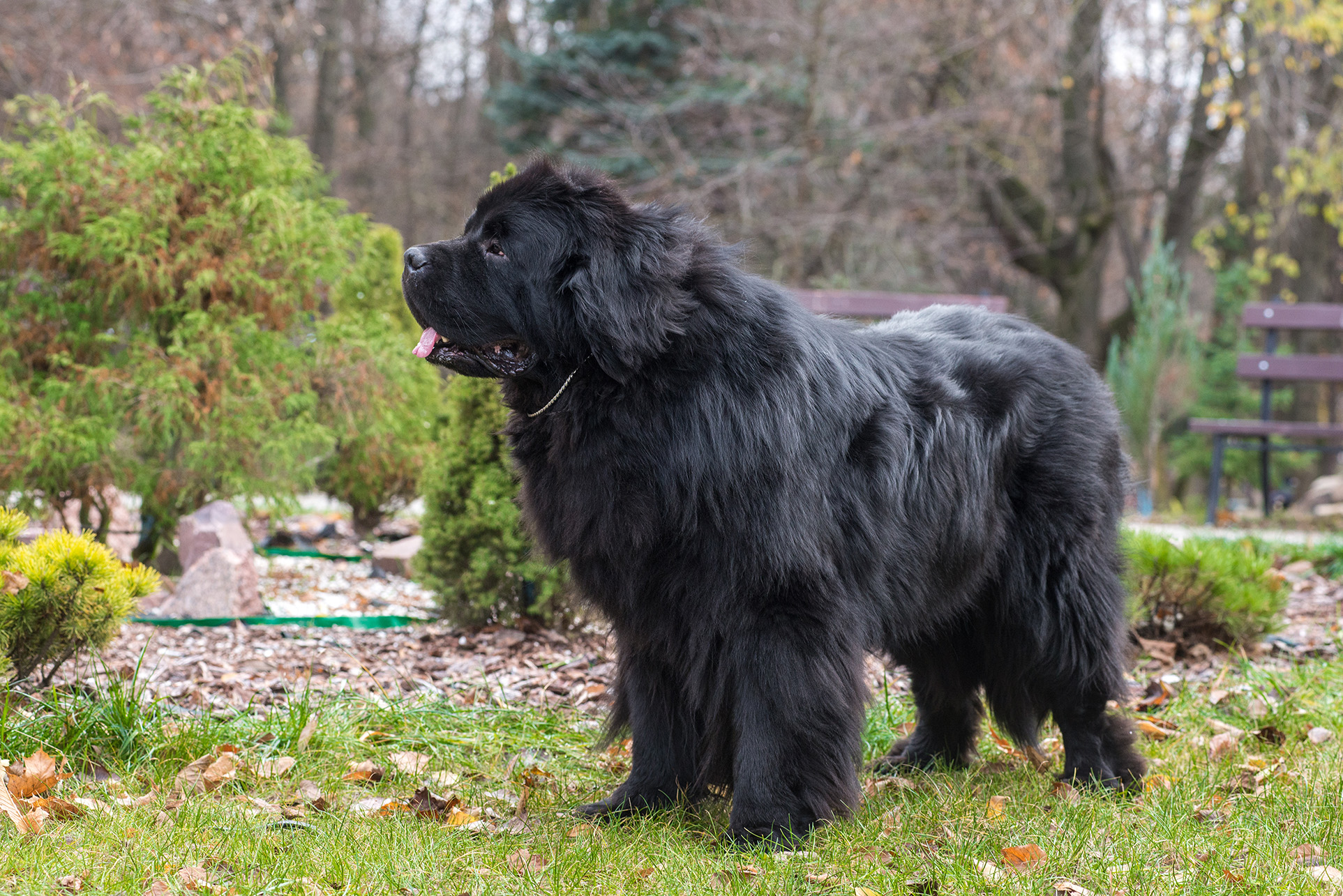
Physically, the Newfoundland is an imposing dog, with males typically standing between 28 to 30 inches tall at the shoulder and weighing between 100 to 150 pounds. Their thick, water-resistant coat is one of their most distinguishing features, providing insulation in cold water and protecting them from the elements. The coat is dense and often black, but it can also come in brown, gray, or Landseer (white with black markings). Their large, broad head, strong neck, and muscular frame give them an imposing presence, but their demeanor is usually calm and gentle.
The Newfoundland is known for its exceptional swimming abilities. With webbed feet, a thick double coat, and a strong build, they are natural swimmers, and they have historically been used in water rescue operations. Their swimming prowess and instinct to save those in distress have earned them a reputation as "lifeguard dogs." While they are not overly energetic on land, in the water, they are tireless workers, capable of swimming long distances to assist people in danger or help pull objects from the water. This makes them particularly well-suited for water-based activities, such as lifeguarding, and they have been used in rescue missions in various countries.
Despite their large size, Newfoundland dogs are known for their gentle and patient temperament. They are affectionate, loyal, and protective of their families, especially with children, making them excellent family companions. Their calm and easygoing nature, combined with their intelligence, also makes them relatively easy to train, though they can be a bit stubborn at times. Early socialization is important to ensure they are well-behaved around other pets and strangers. They are generally not aggressive, but their protective instincts make them good watchdogs, always alert to their surroundings.
Newfoundlands are generally healthy, but due to their large size, they can be prone to certain health issues, such as hip dysplasia, heart conditions, and joint problems. Regular exercise, a balanced diet, and routine veterinary care are important for keeping them in good health. Their thick coats also require regular grooming to prevent matting, particularly during shedding seasons, and owners should ensure that they receive adequate care to maintain their coat and skin.
In summary, the Newfoundland dog is a remarkable breed known for its size, swimming skills, and gentle temperament. Whether working as a water rescue dog or simply being a devoted family companion, the Newfoundland's loyal, loving nature makes it a cherished member of many households. Its calm demeanor, combined with its strength and versatility, continues to endear this breed to dog lovers and those in need of a reliable and hardworking canine companion.
History
The Newfoundland dog is a giant and gentle breed with a rich history closely tied to the rugged coastlines of Newfoundland, Canada. Believed to have descended from indigenous dogs of the region and large working dogs brought by European fishermen in the 15th and 16th centuries, the Newfoundland was developed to assist with a variety of maritime tasks. These included hauling nets, retrieving fish, and even saving lives in treacherous waters. Their powerful build, webbed feet, and water-resistant double coat made them perfectly suited for the cold waters of the North Atlantic.
Newfoundlands quickly earned a reputation as dependable and hardworking companions. Fishermen relied on them not only for their strength and endurance but also for their gentle temperament, which made them excellent family dogs. By the 18th century, the breed’s prowess in water rescue had become legendary, with stories of Newfoundlands saving sailors and passengers from shipwrecks. Their remarkable swimming ability and innate rescue instincts contributed to their popularity among seafarers.
In the 19th century, the Newfoundland gained recognition beyond Canada, particularly in Europe, where they became favored by the British aristocracy and artists. The breed was immortalized in paintings and literature, with notable admirers such as Lord Byron, who dedicated a poem to his Newfoundland, Boatswain. The breed's population in Newfoundland itself faced challenges during this time due to export taxes and restrictions imposed by local authorities, but dedicated breeders ensured its survival.
Today, the Newfoundland is celebrated as a loyal family companion, working dog, and lifesaving hero. It remains a popular breed for water rescue and is often employed in search and rescue operations. Its rich history reflects its adaptability, gentle nature, and enduring bond with humans, solidifying its place as one of the most beloved breeds worldwide.
Appearance
Newfoundlands are large, heavily boned dogs with a broad head, deep chest, and a powerful, balanced body built for pulling and swimming. They have a dense, water-resistant double coat and a characteristic “working dog” movement that can show a slight roll of skin when gaiting.
Coat colors commonly include black, brown, gray, and white-and-black (often called Landseer). The feet are notably well webbed, and the tail is strong and used like a rudder in the water.
Colors
• Black
• Black & White
• Brown
• Grey
Health
As a giant breed, Newfoundlands can be prone to orthopedic issues, and they benefit from responsible breeding, controlled growth as puppies, and staying lean throughout life. Heart disease can occur in the breed, and their heavy build means you should take any ongoing exercise intolerance, coughing, or fainting seriously.
Talk with breeders about health screening and family history, and work with a veterinarian on large-breed nutrition and an age-appropriate exercise plan. Keep an eye on mobility, comfort, and skin/ear health—especially if the coat stays damp after swimming.
Care
Expect coat care: the double coat needs regular brushing (more during shedding) to prevent mats and to keep the undercoat healthy. Routine ear, nail, and dental care apply, and many owners also keep towels handy—Newfoundlands are known droolers.
Heat management is a big deal. Their thick coat and large body make them prone to overheating, so plan exercise around cooler hours, provide shade and water, and watch closely for signs of heat stress. Swimming is excellent low-impact conditioning when it’s safe and supervised.
Training
Start early with the basics that matter most for a giant breed: loose-leash walking, polite greetings, reliable recall in safe areas, and a solid “leave it” and “place/settle.” Short, upbeat sessions and food rewards often work very well.
Socialize thoughtfully—calm exposure to different people, surfaces, sounds, and handling helps Newfoundlands grow into confident, manageable adults. Many also enjoy structured activities like obedience, draft work (carting), or water work, which channel their working heritage.
Temperament
The hallmark of the breed is a sweet, patient, and steady disposition. Many Newfoundlands are affectionate with family, friendly with visitors, and calm indoors once their basic exercise needs are met.
They are sensitive dogs that generally respond best to kind, reward-based handling. Because they’re so large, even a friendly, enthusiastic adolescent can be overwhelming—temperament plus training should produce a dog that’s gentle in both attitude and body control.
Lifestyle
Newfoundlands do best with a family that wants a big, close companion and has the space (and patience) for a giant dog. They typically need moderate daily exercise, but they thrive when they can also be included in family life rather than living outdoors.
They’re often happiest in cooler climates or in homes with good air conditioning. If your lifestyle includes lots of hot-weather hiking or long runs, a Newfie may struggle; if you enjoy walks, training time, and the occasional swim, they can be a wonderful match.
Ownership
Owning a Newfoundland means planning for “giant breed reality”: large crates and beds, heavy-duty grooming tools, higher food costs, and potentially higher veterinary expenses. Training investment is non-negotiable—when a dog is this big, polite behavior is a safety feature.
Choose breeders (or rescues) who prioritize temperament and health, and be honest about whether you can manage the coat, drool, and space needs. For the right home, a Newfoundland offers a rare combination of strength, gentleness, and devoted companionship.
Interesting Facts
- Origin: Newfoundland; historically used for water work, hauling, and draft tasks.
- Built for water: dense, water-resistant double coat and strongly webbed feet.
- Temperament: typically sweet, patient, and people-oriented.
- Size: a true giant breed—early manners and leash training are essential.
- Care: regular brushing and shedding management; many dogs drool.
- Climate: prefers cool weather; can overheat easily in warm conditions.