
Norwegian Buhund
Basics
The Norwegian Buhund is a medium-sized Nordic spitz-type dog developed in Norway as an all-around farm helper—herding livestock, guarding the homestead, and alerting the family to anything unusual. It’s an athletic, cold-weather worker with a “square” build, prick ears, and a tightly curled tail.
In modern homes, Buhunds are often affectionate, bright, and busy-minded. They tend to bond closely with their people and do best when they have a job to do, whether that’s structured training, dog sports, or regular tasks around the house.
Description
The Norwegian Buhund is a lively, intelligent, and versatile herding dog that has been a beloved part of Norwegian culture for centuries. Known for its agility, loyalty, and strong work ethic, the Buhund was historically used for herding sheep and guarding livestock in the rugged terrains of Norway. This breed has played an essential role in the country's farming and agricultural practices, particularly in remote and mountainous areas where its abilities to work independently and in groups were highly valued. Today, the Norwegian Buhund continues to excel in various dog sports, including agility, obedience, and herding trials, making it a popular choice for active families and dog enthusiasts.
Physically, the Norwegian Buhund is a medium-sized dog with a compact and well-proportioned build. Standing between 16 to 18 inches tall at the shoulder and weighing 25 to 40 pounds, the Buhund is known for its athleticism and agility. The breed has a dense double coat that is weather-resistant, helping it withstand the cold and wet conditions typical in Norway. The coat comes in a variety of colors, including black, red, and sable, and is often described as being plush and soft, although it requires regular grooming to prevent matting and to maintain its healthy appearance.
In terms of temperament, the Norwegian Buhund is a friendly, alert, and social dog. It is known for its high energy levels, intelligence, and eagerness to please, which makes it highly trainable. The breed has a strong herding instinct and is naturally inclined to chase and herd moving objects, including other animals and people. Because of its intelligence and problem-solving abilities, the Norwegian Buhund excels in tasks that require focus and quick thinking. However, it also has a strong independent streak, which can make it somewhat stubborn at times, so consistent, positive reinforcement training is important to bring out the best in this breed.
The Norwegian Buhund is also known for its excellent bond with its family and is typically very affectionate toward its owners. It is friendly and social with children, other dogs, and even strangers, though its alert nature makes it an effective watchdog. Despite its friendly disposition, the breed can be reserved or cautious around new situations, but it is generally not aggressive. It thrives in homes where it receives plenty of physical and mental stimulation, as it can become bored and develop undesirable behaviors if not kept busy. Daily exercise, interactive play, and opportunities to engage in herding activities or dog sports are ideal for keeping a Norwegian Buhund happy and well-behaved.
The breed's history as a working dog means that it thrives in environments where it has a job to do. While the Norwegian Buhund is adaptable and can do well in a variety of living situations, it is particularly suited to active households or individuals who are prepared to provide it with sufficient exercise and mental challenges. Whether working as a herding dog, participating in canine sports, or simply enjoying an active lifestyle with its family, the Norwegian Buhund remains a versatile and loving companion with a rich heritage and a strong desire to stay busy.
In summary, the Norwegian Buhund is a lively, hardworking, and affectionate breed that thrives in environments where it can use its energy and intelligence. With its friendly nature, agility, and dedication to its family, the Buhund is a perfect fit for active homes that can meet its exercise and mental stimulation needs. Whether as a herding dog, a family companion, or a competitor in dog sports, the Norwegian Buhund continues to prove itself as a versatile and endearing breed.
History
The Norwegian Buhund is a spitz-type herding dog with a history deeply rooted in Norway's Viking Age. The breed's origins date back over a thousand years, and it is believed to have descended from dogs brought to Scandinavia by early settlers. These dogs were versatile working companions, assisting their owners with herding livestock, guarding farms, and serving as loyal family members. The Buhund's name reflects its traditional role, as "Bu" means farm, homestead, or livestock in Norwegian, and "hund" means dog.
Viking burial sites dating back to 900 CE have yielded evidence of Buhund-like dogs being buried alongside their owners, highlighting their importance in daily life and their role as cherished companions. These dogs accompanied the Vikings on their voyages, helping to herd animals brought on ships and serving as protectors in foreign lands. Their adaptability and resilience made them indispensable in the rugged and often challenging environment of rural Norway.
By the early 20th century, efforts to standardize and preserve the Norwegian Buhund gained momentum. In 1920, the first organized breeding program was initiated by enthusiasts who sought to maintain the breed's traditional working traits and distinct appearance. The Norwegian Kennel Club recognized the breed in 1943, and its popularity gradually spread beyond Norway, particularly among farmers and dog enthusiasts who appreciated its intelligence, energy, and versatility.
Today, the Norwegian Buhund is celebrated as both a capable working dog and a devoted family companion. While it retains its herding and guarding instincts, it has also found a role in modern homes as a lively and affectionate pet. The breed's rich history as a Viking-era working dog reflects its resilience and adaptability, ensuring its enduring appeal across centuries and cultures.
Appearance
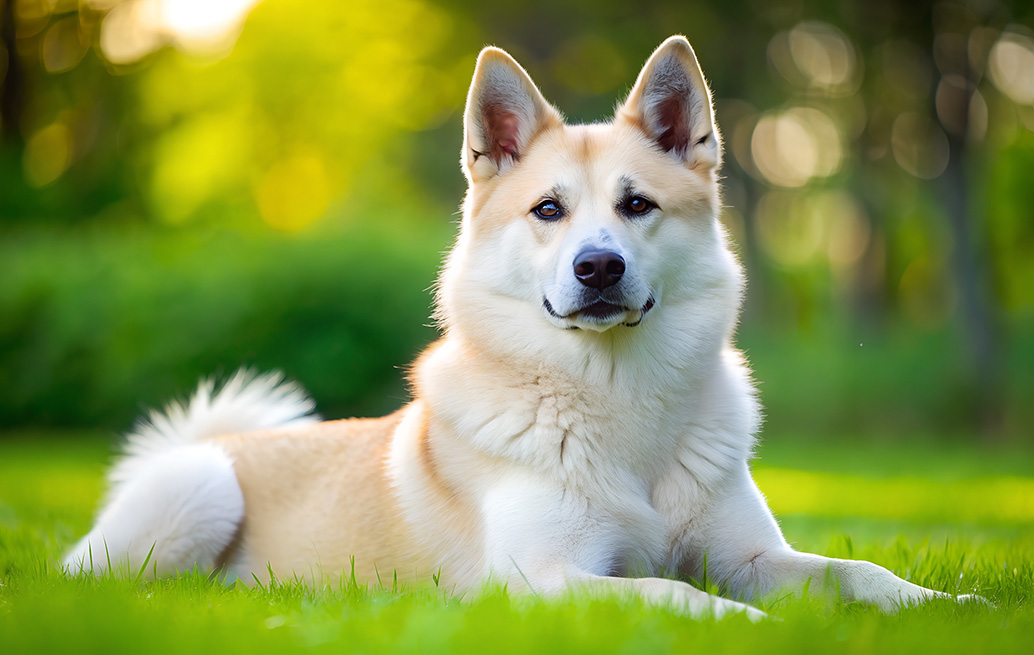
Buhunds are slightly under medium size and square in proportion, with a wedge-shaped head, erect ears, and a tail carried tightly curled over the back. The overall look is classic spitz: clean lines, efficient movement, and an alert expression.
They have a thick double coat—harder outer coat with a soft, dense undercoat—designed for harsh weather. Common colors include wheaten (from pale cream to bright orange, sometimes with dark tips) and solid black; minimal white markings may be seen.
Colors
• Black
• Wheaton
Health
Norwegian Buhunds are generally sturdy dogs, but like many medium-sized working breeds they benefit from responsible breeding, sensible conditioning, and staying lean. Screening for common inherited issues and a transparent health history from breeders helps stack the odds in your favor.
Routine veterinary care, appropriate exercise, and good dental hygiene go a long way. Pay attention to changes in mobility, eyes, or skin/coat quality, and address chronic itching or recurring ear issues early rather than letting them become long-term problems.
Care
Coat care is manageable but not optional: routine brushing keeps the undercoat from packing down and helps with seasonal shedding. Bathing is occasional, and the breed is generally shown in a natural state without heavy trimming; basic nail, ear, and dental care round out the routine.
Buhunds need daily activity and mental engagement. A bored Buhund often invents their own entertainment—barking, pacing, or dismantling household items—so plan for training time, play, and purposeful exercise rather than “a quick potty walk.”
Training
Consistent, reward-based training from puppyhood is the easiest path with this intelligent, energetic breed. Focus early on recall, leash skills, and calm behaviors around doors/guests, and teach a cue for “quiet” to manage alert barking without trying to suppress their natural watchdog tendencies.
They usually thrive with short, frequent sessions and variety: obedience, agility, rally, scent games, and herding-style activities (when available) are great fits. Keep training fair and engaging—Buhunds are quick to notice patterns and quick to opt out if the work feels pointless.
Temperament
Norwegian Buhunds are typically lively, confident, and people-friendly, with a strong “watchdog” instinct that makes them quick to notice changes in their environment. They’re often affectionate with family and enjoy being involved in daily life rather than lounging alone for long stretches.
As a herding/guarding farm breed, they can be vocal and may try to control movement (kids running, bikes, visitors) if not taught appropriate outlets. With early socialization and steady training, they’re usually enthusiastic partners who learn quickly and like to work.
Lifestyle
This is an active “do stuff with me” dog that fits best with people who enjoy daily training, outdoor time, and regular exercise. They can adapt to suburban life or even apartments if their activity needs are met, but they are not well-suited to sedentary households.
Buhunds often enjoy cooler weather and can be enthusiastic hikers and play partners. They also tend to do well with families who like structure—predictable routines help them settle and reduce nuisance behaviors like excessive barking.
Ownership
Norwegian Buhunds are a good match for owners who want a bright, athletic companion and don’t mind a bit of spitz independence. Plan to invest in early socialization, polite household manners, and proactive barking management.
Choose breeders or rescues who prioritize stable temperament and health, and be prepared to provide meaningful enrichment. If you’re looking for a quiet couch potato, look elsewhere; if you want a trainable, engaging partner, the Buhund can be a delight.
Interesting Facts
- Origin: Norway; developed as a multipurpose farm dog (herding and guarding).
- Type: Nordic spitz—prick ears, wedge-shaped head, and a tightly curled tail.
- Coat: thick double coat; routine brushing and seasonal shedding are expected.
- Colors: commonly wheaten (cream to orange) or solid black; minimal white may appear.
- Personality: typically confident, energetic, and affectionate; can be vocal/alert.
- Great outlets: obedience, agility, rally, scent games, and herding-style activities.