
Patterdale Terrier
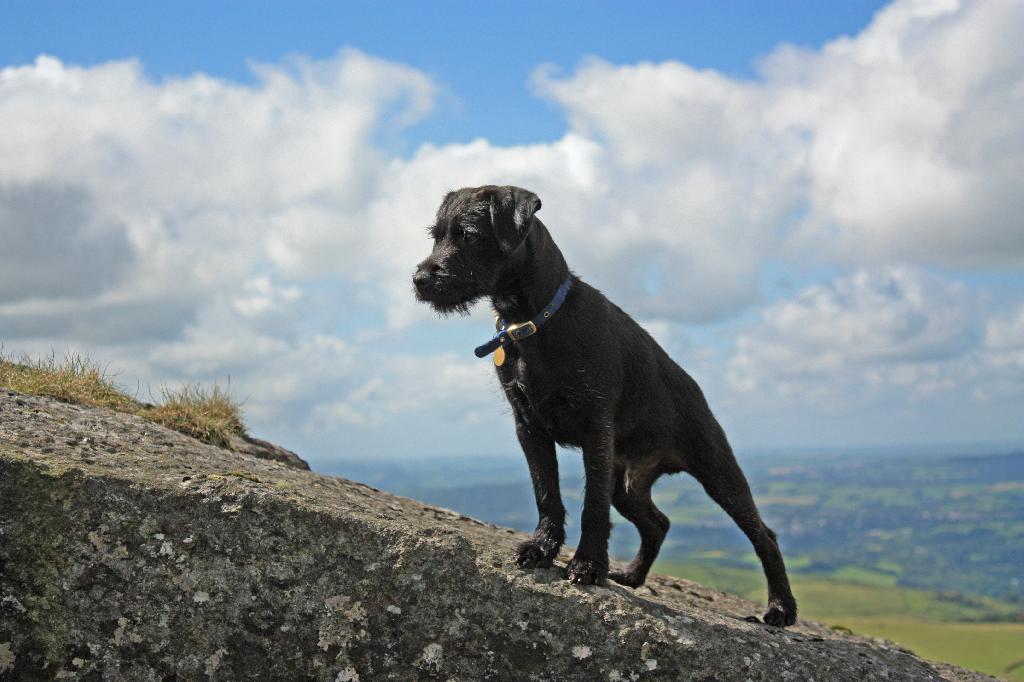
Basics
The Patterdale Terrier is a compact working terrier developed in Northern England from Fell Terrier types, valued for tackling vermin and going to ground. It’s a purpose-built dog: tough, agile, and intensely driven, bred more for function than for a uniform “show” look.
Many Patterdales are still kept as working terriers, and that heritage shows in daily life. They’re typically not a casual, low-maintenance pet; they thrive with experienced owners who understand terrier instincts and can provide structure, outlets, and firm-but-fair management.
Description
The Patterdale Terrier is a hardy and energetic breed, known for its rugged nature and strong work ethic. Originating in the Lake District of Northern England, this terrier was developed for hunting and controlling vermin in challenging terrains. The breed’s name is derived from the village of Patterdale, reflecting its rural roots and the purpose for which it was bred. While it remains a favorite among working dog enthusiasts, the Patterdale is also gaining popularity as a lively and devoted companion.
Physically, Patterdales are compact and muscular, typically standing 10 to 15 inches tall and weighing 11 to 13 pounds. They are built for stamina and agility, with a strong, balanced frame. Their coat can be smooth, broken, or rough, offering protection from harsh weather conditions. Colors include black, chocolate, red, and occasionally grizzle or tan, often with small white markings. Their expressive eyes and alert ears give them a distinctive, inquisitive appearance that hints at their boundless energy and determination.
Temperamentally, Patterdales are bold, intelligent, and highly driven. They are known for their tenacity and confidence, traits that serve them well in their original role as hunters. Despite their fierce determination in the field, they are affectionate and loyal at home, forming strong bonds with their families. However, their high energy levels and strong prey drive mean they require consistent training and ample physical and mental stimulation. Without proper outlets, they may become bored and exhibit unwanted behaviors.
The Patterdale Terrier thrives in active households where it can channel its energy into tasks or outdoor adventures. Whether exploring trails, participating in agility sports, or simply playing in a secure yard, this breed loves to stay engaged. While its working roots are still evident, the Patterdale’s adaptable nature and loving disposition make it an excellent choice for experienced dog owners who can meet its needs.
History
The Patterdale Terrier, a small and tenacious working terrier, originated in the Lake District of northern England, specifically in the village of Patterdale. Its history is rooted in the rugged landscapes of the region, where it was developed during the 19th century to assist farmers and hunters. The breed was designed to be a fearless and efficient worker, adept at hunting foxes, badgers, and rabbits, as well as controlling vermin on farms. The Patterdale Terrier’s small size, agility, and determination made it particularly effective in pursuing quarry into tight spaces, such as dens and burrows.
The breed’s development is attributed to northern English huntsmen, who selectively bred local terriers to create a dog capable of enduring the harsh climate and challenging terrain of the Lake District. The Patterdale Terrier likely shares ancestry with the Fell Terrier, another working breed from the region. Its thick, weather-resistant coat and sturdy build reflect its practical origins, as the dogs needed to be hardy and resilient to perform their duties in demanding conditions.
Unlike many terrier breeds that transitioned into show dogs, the Patterdale Terrier remained primarily a working dog, valued for its functional abilities rather than its appearance. This focus on performance helped preserve the breed’s natural instincts and robust health. Although it has gained popularity in other parts of the world, particularly in the United States, the Patterdale Terrier is still predominantly regarded as a working breed.
Today, the Patterdale Terrier is celebrated for its boundless energy, intelligence, and loyalty. While it continues to excel in hunting and farm work, it has also found a place as a spirited companion dog for active families. Its rich history as a rugged and reliable working terrier reflects its adaptability and enduring appeal.
Appearance
Patterdales are small, sturdy, and athletic, with a balanced outline that can be square or slightly longer than tall. A key working feature is a chest that’s moderate and compressible—often described as able to be “spanned” behind the shoulders—so the dog can maneuver in tight passages underground.
Coats may be smooth, broken, or rough, with a dense undercoat for protection. Colors are commonly solid black, red, liver/chocolate, grizzle, black and tan, or bronze; some registries note that white markings are not desired on the body or head.
Colors
• Black
• Black and Tan
• Blue & Tan
• Brindle
• Chocolate
• Liver
• Red
• Tan
Health
Working-bred Patterdales are often selected for toughness and endurance, but individual health varies by line. Their lifestyle can expose them to injuries (cuts, strains, cracked nails) and they benefit from conditioning, warm-ups for intense activity, and prompt veterinary care when they come up sore or limping.
For puppies, prioritize breeders who can explain their selection criteria, temperament expectations, and health stewardship—not just pedigree. For owners, keeping the dog lean, maintaining dental health, and staying current on parasite prevention are practical foundations for long-term soundness.
Care
Daily exercise needs to be both physical and mental. Long walks, structured play, and job-like activities (tracking games, tug with rules, training drills, safe digging outlets) help take the edge off and keep the dog engaged.
Grooming is usually straightforward: regular brushing, occasional bathing, and routine nail/ear/dental care. The bigger “care” issue is management—secure fencing, leash reliability, and preventing boredom—because an under-managed Patterdale can become destructive or escape-prone.
Training
Training should start early and focus on impulse control, engagement, and clear boundaries. Use reward-based methods with high-value reinforcement, but don’t confuse “positive” with permissive—these dogs do best when rules are consistent and enforced calmly every time.
Because recall can be challenging once prey drive activates, build it systematically with long-line work and controlled environments. Many owners find that channeling the dog’s intensity into structured sports or work (rather than trying to suppress it) produces the most reliable behavior.
Temperament
This is an extremely bold, game terrier with a high prey drive and a strong desire to work. In the right hands, Patterdales can be personable and eager, but their intensity can overwhelm novice owners—especially around small animals, wildlife, and anything that triggers chase.
They should be steady with people when properly bred and handled, yet they often have a no-nonsense style with other dogs if not well socialized and supervised. A sense of humor helps: many Patterdales are clever, determined problem-solvers who will exploit inconsistency.
Lifestyle
A Patterdale fits best in an active, hands-on home—often rural or suburban—with secure containment and an owner who enjoys training. They can live in a smaller space only if their daily workload is met; otherwise, their energy and determination quickly become a household problem.
They are usually not a good match for homes with pet rodents, free-roaming cats, or abundant off-leash temptations. Management and enrichment aren’t optional; they’re the difference between a focused, fun companion and a dog that is constantly “on a mission.”
Ownership
Choose this breed if you want a real working terrier temperament and you’re ready to manage it responsibly. Expect high drive, strong opinions, and a dog that needs supervision and purpose—especially in the first couple of years.
If you’re set on a Patterdale, look for an ethical breeder or working/ sport-oriented rescue who matches dogs to homes realistically. Ask about prey drive, dog-to-dog tolerance, and how the dog behaves when bored; then plan to invest in training support, secure fencing, and ongoing enrichment.
Interesting Facts
- Developed in Northern England from Fell Terrier types for tough vermin work.
- Built to go to ground; many standards emphasize a compressible, “spannable” chest.
- Coat types include smooth, broken, and rough with a protective undercoat.
- Typically a very high prey drive breed; leash and fencing management are critical.
- Often kept as a working terrier more than a show dog.
- Needs experienced, consistent handling to thrive as a companion.