Pekingese
Basics
The Pekingese is a compact toy companion famous for its regal attitude and long association with the imperial courts of ancient China. It’s a dignified, loyal little dog that tends to bond deeply with its family and carry itself with unmistakable self-importance.
Despite the “lion dog” look and proud demeanor, the Pekingese is primarily a calm household companion. Many enjoy short strolls and indoor lounging more than athletic adventures, and they’re often happiest in a quiet home where their routines and personal space are respected.
Description
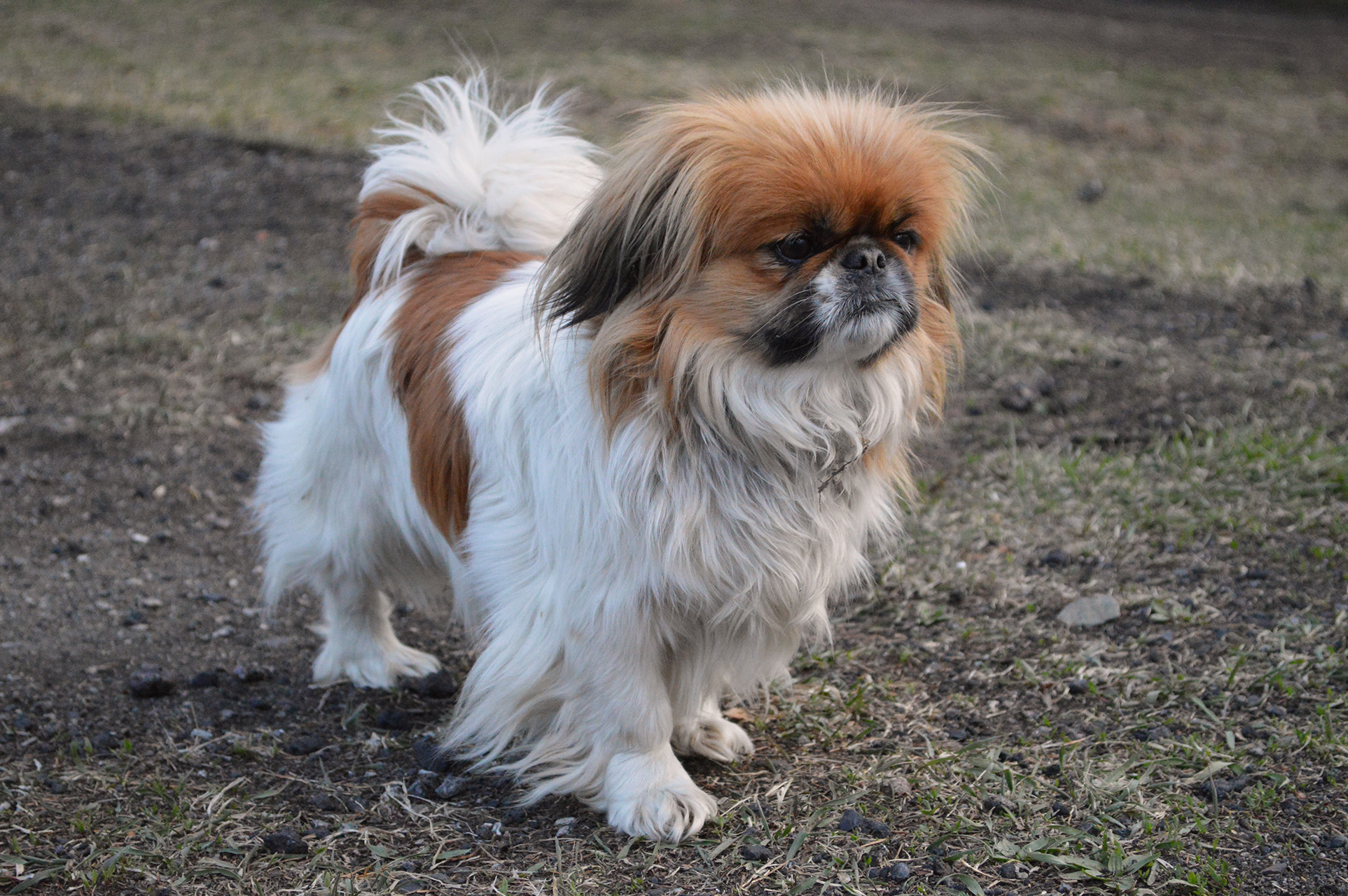
The Pekingese is a small and regal toy breed, known for its lion-like appearance, luxurious coat, and dignified personality. With its roots deeply embedded in Chinese history, the Pekingese is a breed that symbolizes nobility and reverence. Typically weighing between 7 to 14 pounds and standing 6 to 9 inches tall, the Pekingese has a compact yet sturdy build. Its distinct features include a flat face, large round eyes, a broad chest, and a mane-like ruff of fur that gives it a majestic, almost lion-like presence.
The breed’s long, flowing double coat is most commonly seen in shades of gold, fawn, or sable, but it can also appear in black, white, and a variety of other colors. Maintaining this luxurious coat requires regular grooming to prevent matting and to keep the Pekingese looking its best. The breed’s proud, rolling gait adds to its distinctive charm, reflecting its self-assured and independent nature.
Pekingese are affectionate and loyal dogs, forming strong bonds with their families. While they can be playful and engaging, they are equally content to spend their time lounging and observing their surroundings with a dignified air. Despite their small size, Pekingese are known for their bravery and will not hesitate to defend themselves or their loved ones, earning them a reputation for being fearless and protective.
While their demeanor can appear aloof to strangers, Pekingese are loving and devoted to their families, making them excellent companions. They adapt well to apartment living and require only moderate exercise, but they benefit from daily walks and interactive play to keep them mentally stimulated. Their intelligence and independent streak make training a unique experience, often requiring patience and positive reinforcement.
Overall, the Pekingese is a breed that combines elegance, loyalty, and a touch of ancient history. Its unique appearance and charming personality have made it a beloved companion for centuries, and it continues to captivate dog lovers with its timeless allure.
History
The history of the Pekingese is steeped in ancient Chinese tradition and mysticism, tracing back over 2,000 years to the Tang Dynasty (618–907 AD). Revered as sacred companions, Pekingese were bred by Chinese royalty and played a significant role in the cultural and spiritual life of the imperial court. According to legend, the breed originated when a lion fell in love with a marmoset, and the Buddha granted their union by creating a lion-like dog with the size and demeanor of the marmoset. This mythology underscores the breed’s resemblance to a lion, which symbolizes strength and power in Chinese culture.
Pekingese were exclusively owned by the Chinese imperial family and were considered so precious that commoners were forbidden to own or even touch them. These small, lion-like dogs were often carried in the sleeves of the emperor’s robes or paraded during grand ceremonies, cementing their status as symbols of wealth and divinity. They were deeply intertwined with religious practices, often regarded as spiritual protectors capable of warding off evil spirits.
The breed remained a closely guarded treasure in China until the mid-19th century. During the Second Opium War in 1860, British and French forces invaded the Imperial Palace in Beijing. After the defeat of the Qing Dynasty, five Pekingese dogs were discovered among the spoils and brought back to England as gifts for Queen Victoria and other aristocrats. These dogs became the foundation for the breed’s introduction to the Western world, where their exotic appearance and royal lineage captivated dog enthusiasts.
In the decades that followed, the Pekingese gained popularity in Europe and North America, especially among the elite. The breed was officially recognized by the American Kennel Club (AKC) in 1906. Breeders worked diligently to preserve the Pekingese's distinctive traits, ensuring that its rich heritage and noble appearance remained intact.
Today, the Pekingese continues to be cherished for its regal demeanor, unique looks, and historical significance. Its journey from the palaces of ancient China to the homes of modern dog lovers reflects its enduring appeal and its place as a symbol of both elegance and cultural legacy.
Appearance
Pekingese are small but surprisingly heavy for their size, with a thickset front, a low center of gravity, and a distinctive rolling gait. The head is large for the body with a short, broad muzzle, a pronounced stop, and a characteristic facial wrinkle.
The coat is a profuse double coat with a long, straight outer coat and a soft, dense undercoat. A mane-like ruff frames the neck and shoulders, and feathering appears on the ears, tail, and legs. All colors and markings are generally seen in the breed.
Colors
• Biscuit
• Black
• Black & Tan
• Cream
• Fawn
• Fawn Brindle
• Fawn Sable
• Gray
• Gray Sable
• Light Red
• Red
• Red Brindle
• Red Sable
• White
Health
The Pekingese’s brachycephalic (short-muzzled) structure can be linked with breathing limitations and significant heat sensitivity. Avoid strenuous exercise, watch for signs of overheating, and keep the dog in a cool environment during warm months.
Eye and skin care are also important: prominent eyes can be prone to irritation or injury, and facial folds can trap moisture. Routine veterinary care should include dental attention (small breeds often develop periodontal disease) and monitoring for issues common in compact toy breeds.
Care
Coat care is a real commitment. Regular brushing and combing helps prevent mats in the dense coat, and many owners schedule routine grooming to keep skin and feathering clean. Facial care matters too—clean and dry the wrinkle area to help prevent irritation.
Because of the short face, Pekingese can overheat easily. Keep exercise moderate, avoid hot/humid conditions, and provide cool indoor rest in warm weather. A harness is often safer than a collar for leash walks, and keeping nails trimmed helps the dog move comfortably.
Training
Pekingese are intelligent but independent, and they rarely respond well to forceful training. They do best with calm, consistent routines and reward-based methods—especially food rewards—plus short sessions that don’t bore or overwhelm them.
Focus early on cooperative handling (brushing, face cleaning, nail trims), quiet door manners, and polite greetings. House-training often improves with a strict schedule and close supervision; some owners also teach an indoor potty option for convenience and hot-weather safety.
Temperament
Pekingese are devoted and brave, often choosing one or two favorite people and staying close to them. They can be affectionate, but many are not overly demonstrative; they prefer calm attention on their own terms and may dislike rough handling.
With strangers, the breed is typically aloof rather than outgoing. Early, gentle socialization helps them accept visitors and new environments without stress. They may be selective with other dogs, so polite introductions and supervision are important, especially with larger, bouncier pets.
Lifestyle
Pekingese are well suited to apartments and quieter households. Their exercise needs are modest—usually a couple of leisurely walks and some indoor play—so they fit well with owners who want a low-key companion rather than a jogging partner.
They generally prefer predictable days and can be stressed by constant commotion. Provide soft, cool resting spots, keep stairs/jumps reasonable, and plan for grooming time as part of the weekly rhythm.
Ownership
A great Pekingese owner values a calm, loyal companion and is comfortable with regular grooming and face care. Because heat tolerance can be limited, owners should be willing to manage the dog’s environment (air conditioning, avoiding midday heat, safe travel practices).
When selecting a breeder, ask about health history, breathing/heat tolerance in adult dogs, eye health, and overall moderation rather than extreme features. If adopting, seek an honest assessment of grooming tolerance and any respiratory or skin concerns, and be ready to keep up with routine coat and wrinkle maintenance.
Interesting Facts
- A historic “lion dog” companion associated with China’s imperial courts.
- Small but often surprisingly heavy for its size, with a distinctive rolling gait.
- Profuse double coat requires regular brushing and mat prevention.
- Typically aloof with strangers but deeply loyal to its family.
- Heat sensitivity is common; exercise should be moderate and weather-aware.
- Facial folds and prominent eyes need routine cleaning and protection.