
Persian Greyhound
Basics
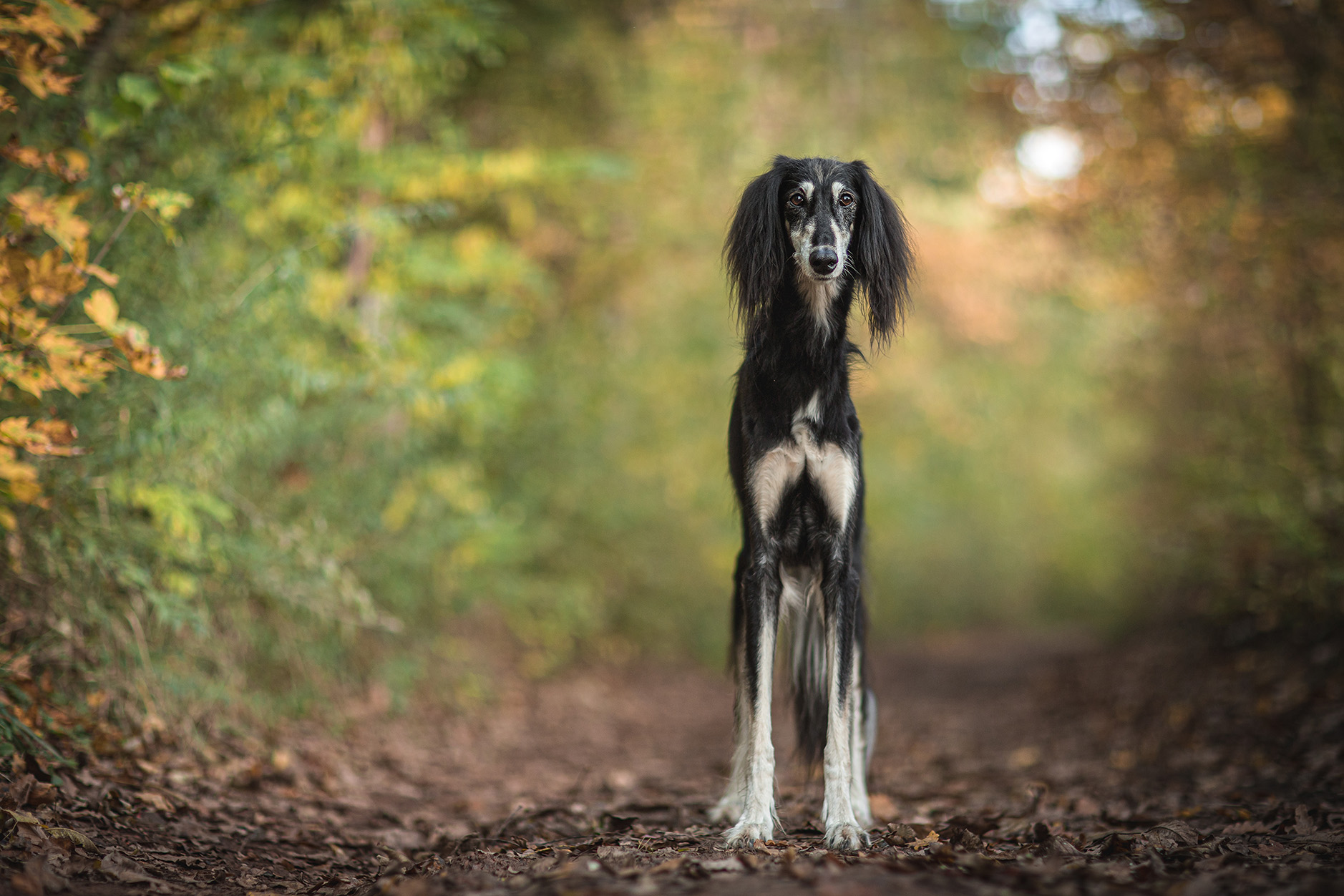
The “Persian Greyhound” is a historical name often applied to the Saluki—an ancient Middle Eastern sighthound developed to hunt and course game. In modern terms, Salukis are prized for grace, speed, and endurance, and are still seen in lure coursing and other running sports.
Breed authorities note that Salukis vary in type, and that this variation is considered normal for the breed, reflecting the huge geographic range and different terrain where they were traditionally used. They are often described as elegant and light-footed, with a calm, gentle manner at home when their exercise needs are met.
Description
The Persian Greyhound, also known as the Saluki, is a graceful and ancient breed renowned for its beauty, speed, and hunting prowess. Believed to be one of the oldest dog breeds, the Saluki has a storied history that dates back thousands of years to the deserts of the Middle East. Often referred to as the "Royal Dog of Egypt," they were revered by ancient civilizations, as evidenced by depictions in art and carvings found in tombs. Traditionally, Salukis were used by nomadic tribes to hunt game such as gazelle, hares, and other swift prey across arid terrains.
Physically, the Persian Greyhound is striking, with a lean and athletic build designed for speed and endurance. They typically stand 23 to 28 inches tall and weigh between 40 and 60 pounds. Their long, narrow head, expressive almond-shaped eyes, and elegant neck contribute to their dignified appearance. The breed comes in a variety of coat colors, including white, fawn, cream, gold, black and tan, and brindle. Salukis have two coat varieties: smooth and feathered, the latter distinguished by silky hair on the ears, tail, and sometimes legs. Despite their delicate appearance, they are robust and capable of thriving in harsh environments.
In terms of temperament, Persian Greyhounds are gentle, reserved, and highly intelligent. They are independent thinkers, a trait developed from centuries of working alongside hunters. While they may appear aloof to strangers, they are deeply loyal and affectionate with their families. Due to their history as hunters, Salukis have a strong prey drive and require secure spaces where they can safely run and play. Regular exercise is essential to keep them physically and mentally stimulated, as they are a high-energy breed.
The Persian Greyhound’s elegance and quiet nature make them exceptional companions for those who appreciate their unique qualities. They thrive in homes where they receive patient training, plenty of exercise, and the love and respect they deserve. As one of the most ancient and refined breeds, the Saluki continues to captivate dog enthusiasts around the world with its beauty, grace, and storied legacy.
History
The Persian Greyhound, commonly known as the Saluki, is one of the oldest and most revered dog breeds in the world, with a history that spans thousands of years. Originating in the Middle East, the Saluki is believed to date back to ancient Mesopotamian, Egyptian, and Persian civilizations. Archaeological evidence, including carvings and paintings of Saluki-like dogs, has been found in tombs and artifacts from as early as 4,000 BCE. These dogs were highly valued by nomadic tribes and were often referred to as the "royal dog of Egypt," due to their association with nobility and their depiction alongside pharaohs.
The Saluki was bred primarily as a hunting dog, prized for its incredible speed, endurance, and sharp eyesight. Its long legs and aerodynamic build made it ideal for chasing down fast game such as gazelles, hares, and foxes across the vast deserts and open plains of the Middle East. Unlike other hunting breeds, the Saluki hunted by sight rather than scent, classifying it as a sighthound. In Persian culture, the Saluki was regarded with great reverence, often treated as a member of the family and considered a gift from Allah. These dogs were so cherished that they were often adorned with ornate collars and silks.
The breed was introduced to Europe in the Middle Ages, likely through trade routes and during the Crusades, where it quickly gained admiration for its beauty and elegance. However, it was not until the 19th and early 20th centuries that the Saluki became more widely recognized in Western countries. British officers stationed in the Middle East during World War I brought Salukis back to England, where their popularity grew as both companions and show dogs. The Kennel Club in the UK officially recognized the breed in 1923, and the American Kennel Club (AKC) followed suit in 1927.
Today, the Persian Greyhound, or Saluki, is celebrated for its rich history, graceful appearance, and loyal temperament. While it retains its natural hunting instincts, it has also become a beloved family pet and participant in canine sports such as lure coursing. The breed's deep cultural significance and enduring appeal reflect its status as a living link to ancient civilizations.
Appearance
The Saluki’s outline should give an impression of grace and symmetry—built for great speed and stamina, but still showing enough strength and activity for real work. They are sighthounds with a deep chest, long legs, and efficient, springy movement.
Two coat varieties are commonly recognized: feathered (with fringes on ears, legs, and tail) and smooth (minimal feathering). Colors and markings are varied, and the breed’s look can differ somewhat depending on traditional type, but balance and athletic soundness remain the goal.
Colors
• Cream
• Fawn
• Gold
• Grizzle
• Red
• Tan
• Tricolored
• White
Health
Salukis are generally athletic and long-lived, but owners should take breed-specific health seriously and work with responsible breeders. The Royal Kennel Club highlights neuronal ceroid lipofuscinosis (Sal-NCL) as an important DNA-tested condition for the breed, with specific breeding/registration guidance in the UK.
As a deep-chested sighthound, they can also be at risk for bloat (gastric dilatation-volvulus), and like other fast runners they can suffer soft-tissue injuries if poorly conditioned or run on unsafe footing. Routine veterinary care, thoughtful conditioning, and sensible management around intense exercise are key.
Care
Coat care depends on variety: smooth Salukis are very low-maintenance, while feathered Salukis benefit from routine brushing to prevent tangles in fringes. Regular nail trimming matters—long nails can affect a running dog’s gait and traction.
Exercise should be safe and structured. Salukis thrive on daily walks plus periodic opportunities to sprint in a securely fenced area; their speed makes open, unfenced off-leash exercise risky. As with many lean, deep-chested athletes, maintaining a healthy body condition and avoiding sudden “weekend warrior” bursts helps protect muscles and joints.
Training
Training a Saluki is largely about engagement and management. They can learn well, but many are independent thinkers; short, positive sessions and high-value rewards work better than repetition or pressure.
Because a running chase is self-reinforcing, reliable recall in distracting environments is difficult to guarantee. Use long lines, teach strong leash skills, and prioritize fenced fields for free running. Sports like lure coursing, straight/oval track running where available, and calm nosework-style games can give them a job that matches their instincts.
Temperament
Salukis are typically dignified and somewhat reserved—often affectionate with their family but more selective with strangers. Many are quiet in the house, observant, and gentle, with a strong instinct to chase moving animals.
That chase drive is part of the breed’s heritage as a hunting and coursing hound. Good early socialization helps them navigate modern life (visitors, handling, travel), but owners should still expect a sensitive dog that responds best to calm, respectful interactions.
Lifestyle
A Saluki fits best with an owner who appreciates a calm dog indoors and an athlete outdoors. They typically need daily movement and regular chances to run at speed, but they’re not usually “busy” all day when their needs are met.
They do best in homes that can provide secure containment—tall, well-maintained fencing and careful door/gate habits. In multi-pet households, many can coexist with other dogs, but small animals may trigger prey drive, so introductions and management should be handled thoughtfully.
Ownership
Choose a breeder or rescue that understands the breed’s temperament and exercise needs. Ask about the dog’s response to handling, strangers, and novel environments, and discuss health testing—particularly DNA testing relevant to Salukis.
Plan ahead for safe running options and everyday management (fencing, leash skills, car safety, and a “no off-leash in unfenced areas” mindset). In return, owners often get a graceful, devoted companion with an unmistakably ancient sighthound character.
Interesting Facts
• “Persian Greyhound” is a traditional name commonly associated with the Saluki.
• FCI lists the Saluki in Group 10 (Sighthounds), Section 1 (Long-haired or fringed Sighthounds).
• FCI describes the breed’s origin as Middle East and notes that variation in type is typical and desired.
• Two coat varieties are commonly recognized: feathered and smooth.
• Traditionally used as a hunting and coursing hound for thousands of years across varied Middle Eastern terrain.
• The Royal Kennel Club highlights DNA testing for Saluki neuronal ceroid lipofuscinosis (Sal-NCL) as an important health consideration in the breed.