Poodle
Basics
Poodles are athletic, highly intelligent dogs known for their distinctive curly (or corded) coat and their proud, square outline. Although they’re often thought of as "fancy" show dogs, the breed developed as a capable water retriever, and modern Poodles still tend to be active problem-solvers who enjoy having a job to do.
In the U.S., Poodles are recognized in three sizes—Standard (over 15 inches at the shoulder), Miniature (over 10 inches and up to 15 inches), and Toy (10 inches and under). All three varieties share the same overall type and temperament, with size mostly affecting housing needs, exercise style, and some health risks.
Description
The Standard Poodle is a highly intelligent, versatile, and elegant breed that stands as one of the most recognizable dog breeds in the world. Originating in Germany as a water retriever, the Poodle was later refined in France, where it became famous for its exceptional abilities in waterfowl hunting. The breed’s name comes from the German word *Pudel*, meaning "to splash in water," which reflects its roots as a water dog. Over time, the Poodle evolved into a companion dog, excelling not only in hunting but also in various dog sports, including obedience, agility, and even circus performances, thanks to its sharp intelligence and trainability.
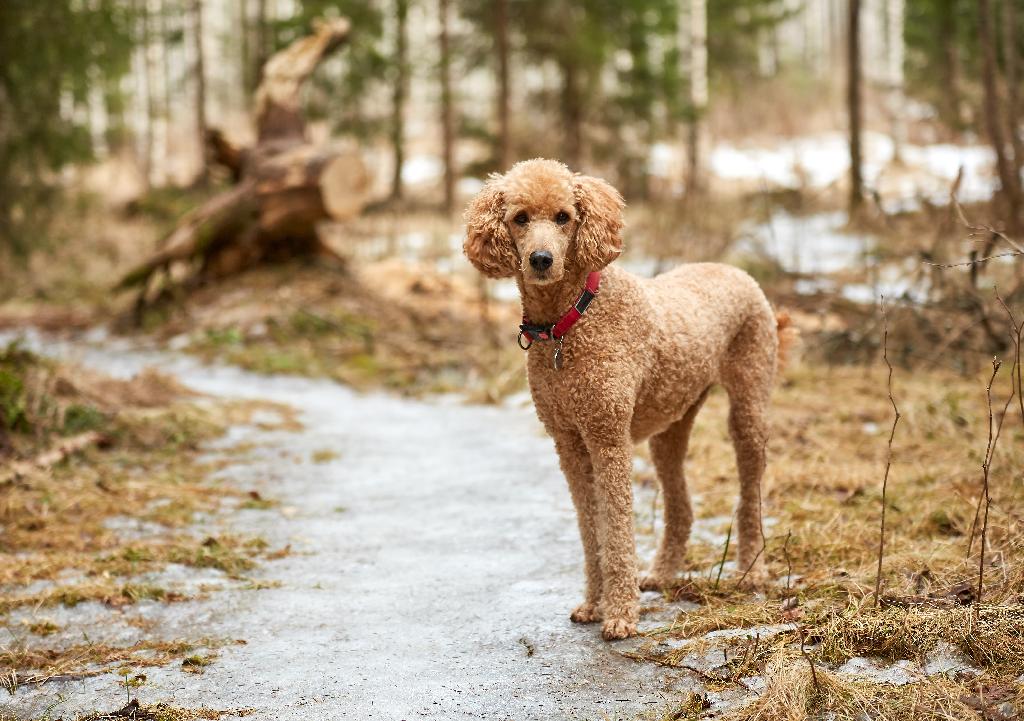
Physically, the Standard Poodle is a majestic, well-proportioned dog with a proud, dignified stance. Standing between 18 to 24 inches at the shoulder and weighing 40 to 70 pounds, the Standard Poodle is the largest of the three Poodle varieties (Standard, Miniature, and Toy). Its curly, hypoallergenic coat is one of its most distinctive features, often clipped in intricate grooming styles for both practical and aesthetic purposes. The coat is dense, water-resistant, and non-shedding, requiring regular grooming to maintain its health and appearance. Poodles come in a variety of solid colors, including white, black, apricot, brown, and gray, and they are often known for their characteristic pom-poms on their tails, legs, and heads when professionally groomed.
Temperamentally, the Standard Poodle is known for its intelligence, friendliness, and adaptability. Ranked as one of the most intelligent dog breeds, Poodles are quick learners and excel in obedience training, making them ideal candidates for competitive dog sports and as working dogs. Despite their aristocratic appearance, they are friendly, affectionate, and social with family members, often forming strong bonds with their owners. They are also known for being excellent with children and other pets, making them versatile family companions. Although they are generally good-natured, Poodles are also known for their alertness and can be reserved around strangers, making them good watchdogs.
The Standard Poodle requires regular mental and physical exercise to stay happy and healthy. Due to their high intelligence, they thrive in environments where they are mentally challenged, whether through obedience training, puzzle toys, or engaging in active outdoor activities such as running, swimming, or hiking. With their combination of beauty, brains, and versatility, the Standard Poodle remains one of the most popular and beloved breeds for a wide range of families and dog enthusiasts. Whether as a working dog, a show dog, or a loyal companion, the Standard Poodle continues to be a breed of choice for many.
History
The Standard Poodle is a sophisticated and versatile breed with a rich history that dates back several centuries. Despite its association with France, the breed’s origins are believed to lie in Germany, where it was known as the *Pudelhund*, meaning "splashing dog." The name reflects the Poodle’s original purpose as a water retriever, expertly retrieving ducks and other game from lakes and rivers. The breed's thick, curly coat provided insulation against cold water, while its intelligence and trainability made it a favorite among hunters.
The distinctive Poodle clip, often seen in exaggerated forms today, was initially developed for functional reasons. Hunters shaved parts of the Poodle’s coat to reduce drag in the water while leaving tufts of fur around vital organs and joints to keep the dog warm and protected. Over time, this utilitarian trim evolved into a hallmark of the breed’s elegant appearance.
In the 18th and 19th centuries, the Poodle gained popularity in France, where it became the favored companion of nobility and royalty, earning its reputation as a symbol of refinement and sophistication. French breeders refined the breed further, emphasizing its intelligence, versatility, and aesthetic appeal. The Standard Poodle became the foundation for the smaller Miniature and Toy Poodles, bred to meet the needs of urban households and entertainers.
Today, the Standard Poodle is celebrated for its intelligence, adaptability, and elegance. It excels in a variety of roles, from water retrieving and agility sports to therapy work and companionship. Its rich history reflects a journey from hardworking retriever to noble companion and modern-day family favorite, cementing its place as one of the most beloved and recognizable dog breeds in the world.
Appearance
A well-made Poodle is squarely built and well-proportioned, moving with an easy, springy trot and carrying head and tail proudly. The head is refined with a long, straight muzzle, dark oval eyes, and long drop ears that hang close to the head.
The hallmark coat is dense and harsh-textured, forming tight curls (or cords). Coat color is solid and even at the skin, and while grooming styles vary by owner preference and activity, regular clipping and careful coat maintenance are part of living with the breed.
Size is the big visible difference between varieties. Standards are typically the tallest and most powerful, while Miniatures and Toys are smaller, lighter, and easier to lift or travel with—without losing the breed’s elegant outline.
Colors
• Apricot
• Black
• Black & Apricot
• Black & Brown
• Black & Cream
• Black & Gray
• Black & Silver
• Black & Tan
• Black & White
• Blue
• Blue & White
• Brown
• Brown & Apricot
• Brown & White
• Cream
• Cream & White
• Gray & White
• Other
• Red
• Red & Apricot
• Red & White
• Silver
• Silver Beige
• White
• White & Apricot
• White & Silver
Health
Poodles are generally robust dogs, but responsible owners should plan for preventive care, screening, and breed-appropriate risk management. Standards, Miniatures, and Toys share many potential concerns, but the likelihood of specific issues can vary with size and bloodline.
Depending on variety, veterinarians and breeders commonly discuss orthopedic issues (such as hip problems in larger dogs and kneecap issues in smaller dogs), eye disease, and endocrine or immune-related conditions. Ask your breeder what health testing was done on the parents and what results were produced, and bring that documentation to your veterinarian.
Good day-to-day habits also matter: keep the dog lean, maintain dental care (especially in Toys), and discuss bloat risk and prevention with your vet if you have a Standard Poodle or a deep-chested individual.
Care
Coat care is the Poodle’s main maintenance commitment. Their hair keeps growing and can mat close to the skin, so plan on routine brushing and regular professional grooming (or learning to clip at home). Keep ears clean and dry, and stay on top of nail trims—especially for smaller varieties.
Poodles do best with daily exercise that combines movement and thinking: brisk walks, fetching, swimming when safe, scent games, or structured training sessions. Standards usually need the most physical outlet, while Toys and Miniatures can meet their needs with shorter sessions spread through the day.
Most Poodles do well on a balanced, measured diet, but it’s easy to overfeed treat-driven dogs. Track body condition, adjust portions with activity level, and use training rewards strategically (tiny treats, kibble, or play).
Training
Training is where Poodles shine—when it’s positive, clear, and interesting. They learn fast, so focus early on household manners (greeting politely, settling on a mat, walking on a loose leash) and make “calm” a trained behavior, not an accident.
Because they’re sensitive and observant, harsh corrections can create avoidance or anxiety. Short, upbeat sessions with rewards, variety, and gradual distractions tend to produce the most reliable results.
Mental work matters as much as physical work. Trick training, obedience, rally, agility foundations, retrieving games, and puzzle feeders help prevent boredom-driven habits like barking or counter-surfing.
Temperament
Poodles are alert, people-oriented dogs with a reputation for exceptional intelligence and trainability. They usually bond closely with their family, notice patterns quickly, and thrive when they’re included in daily life rather than treated as “decorative” pets.
A well-socialized Poodle is typically confident, friendly, and adaptable, with a playful sense of humor. Many enjoy meeting polite strangers, but they’re also keen observers and can become wary or noisy if not taught calm habits.
Temperament can be softened or sharpened by upbringing: early socialization, gentle handling, and consistent routines help bring out the breed’s steady, composed side.
Lifestyle
Poodles fit a wide range of households, but they do best with people who enjoy interacting with their dog. They’re typically happiest when they can be close to their family, participate in routines, and get both exercise and training most days.
Space needs depend on size. Toys and many Miniatures can do well in apartments if they get daily walks and enrichment, while Standards usually appreciate more room to stretch out and play—though they still need structured activity, not just a yard.
This is not a “hands-off” breed: coat upkeep, social time, and mental engagement are part of the package. In return, owners often get a remarkably responsive, fun companion.
Ownership
Before bringing home a Poodle, budget for ongoing grooming (either professional or home equipment) and commit to a regular schedule for brushing, bathing, and clipping. If you’re not comfortable with coat work, choose a realistic trim and a groomer you trust rather than letting mats build up.
Look for breeders who prioritize temperament and health, can explain their breeding goals, and provide transparent health-testing information. Meet adult relatives when possible and ask what the breeder does for early socialization and introduction to grooming and handling.
If adopting, ask rescue staff about the dog’s comfort with grooming, strangers, and alone time. Many Poodles thrive after transition, but they do best when new owners set predictable routines and build skills gradually.
Interesting Facts
- Recognized in three sizes: Standard (over 15"), Miniature (over 10" to 15"), and Toy (10" and under).
- The breed’s coat can be presented in tight curls or cords and requires regular grooming to prevent matting.
- Poodles were developed as working water dogs and many still enjoy retrieving and swimming.
- The Poodle’s hallmark look comes from both structure (square outline) and careful grooming.
- Most Poodles excel at training-based activities (obedience, rally, agility, tricks) because they learn quickly.
- Size influences day-to-day logistics (travel, exercise style, handling) more than overall “Poodle personality.”