
Pug
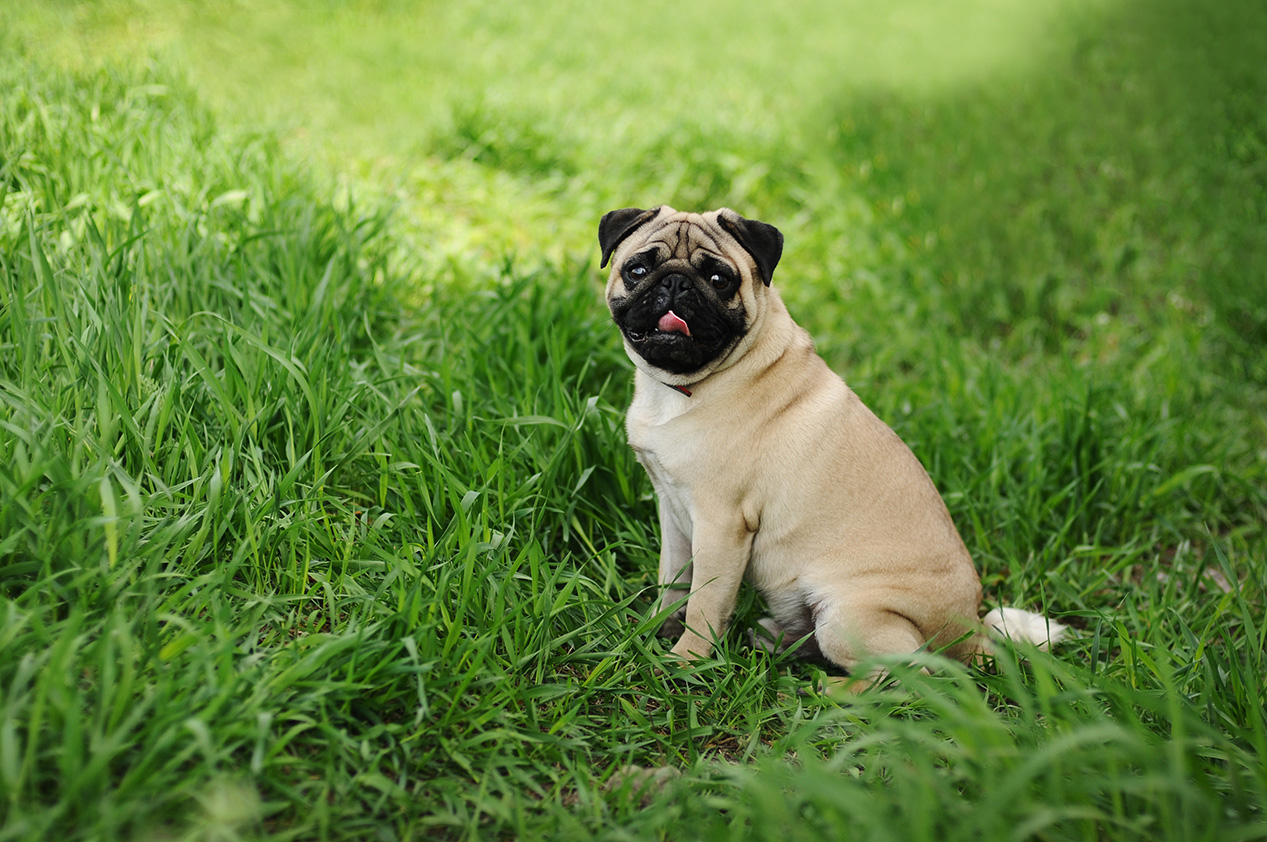
Basics
The Pug is a small, sturdy companion breed famous for its expressive face and “multum in parvo” (a lot of dog in a small package) personality. Historically associated with Chinese nobility and later European courts, the modern Pug is primarily a people-centered house dog that wants to be close to its family.
They’re typically adaptable and happy with moderate daily activity, but they do best with routines and weight control. A Pug that’s overfed or under-exercised can quickly lose the mobility and stamina that make the breed fun and comfortable to live with.
Description
The Pug is a small, charming dog breed known for its distinctive wrinkled face, curled tail, and delightful personality. Often described as a “big dog in a small body,” Pugs are affectionate, playful, and adaptable companions. Their compact size, typically weighing between 14 to 18 pounds, makes them ideal for both urban and rural living. They are instantly recognizable by their smooth, short coats, deep wrinkles, and large, round eyes that seem to convey an array of emotions.
The Pug’s coat is sleek and comes in a variety of colors, including fawn, black, apricot, and silver. A hallmark feature is their black mask, which contrasts beautifully with lighter coat colors. Despite their small stature, Pugs have a sturdy and muscular build, making them more robust than many other toy breeds. Their curly tails, which often rest tightly against their backs, add to their unique appearance.
Pugs are beloved for their even temperament and adaptability. They thrive on human companionship and are happiest when they are part of family activities, whether lounging on the couch or playing in the yard. Their playful yet gentle nature makes them excellent companions for families, singles, and seniors alike. While they are generally good with children and other pets, they also have an independent streak, adding a touch of humor to their interactions.
The breed is known for its comedic and endearing personality, often earning the nickname “clown dog” for its ability to entertain and bring joy to its owners. Pugs are intelligent, though they can sometimes be stubborn, requiring patient and consistent training. They are not overly active but enjoy short walks and playtime to stay fit. However, care should be taken in hot weather, as their short muzzles make them prone to overheating.
With proper care, Pugs are relatively healthy and can live 12 to 15 years. Their affectionate nature, coupled with their distinctive looks and engaging personality, has made them a favorite breed for centuries. Whether as a loyal companion or a playful entertainer, Pugs continue to charm and captivate dog lovers around the world.
History
The history of the Pug is rich and ancient, tracing back over 2,000 years to Imperial China, where the breed was cherished as a companion to royalty. Pugs are believed to have originated alongside other flat-faced breeds like the Pekingese and Shih Tzu. They were bred to be lap dogs, offering warmth, companionship, and entertainment to Chinese emperors and their families. Highly esteemed, Pugs lived in luxurious settings and were often guarded by soldiers to ensure their safety. Their wrinkled faces were said to resemble Chinese characters, and the distinctive patterns were seen as symbols of good fortune.
The breed began to spread beyond China during the 16th century when Dutch traders brought them to Europe. In Holland, Pugs quickly gained popularity, becoming the mascot of the House of Orange. According to legend, a Pug named Pompey saved the life of Prince William of Orange by alerting him to an approaching assassin, further cementing the breed’s status as a loyal and protective companion.
From Holland, the Pug’s fame spread across Europe, finding favor in royal courts and among the aristocracy. In France, they became beloved by Queen Marie Antoinette and Empress Josephine, wife of Napoleon Bonaparte. Josephine's Pug, named Fortune, even played a role in smuggling messages to her husband while she was imprisoned.
The Pug’s popularity continued into the Victorian era, where it was embraced in England as a fashionable companion for ladies of high society. During this time, breeders worked to refine the Pug’s appearance, emphasizing its round head, short muzzle, and tightly curled tail. The breed’s modern appearance largely took shape during this period.
The Pug made its way to the United States in the 19th century and was recognized by the American Kennel Club (AKC) in 1885. Over the years, its playful and affectionate nature, combined with its distinctive looks, has made it one of the most beloved breeds worldwide.
From its origins as a treasured companion in ancient China to its role as a beloved family pet today, the Pug’s history is a testament to its enduring charm and adaptability. Its journey through time and across continents showcases its unique ability to bring joy and companionship to people of all walks of life.
Appearance
Pugs are meant to be square and “cobby,” with a compact body, strong straight legs, and a short back. The head is large and round (but not apple-headed), with very large dark eyes and clearly defined wrinkles; ears may be “button” or “rose,” with preference often given to button ears in the standard.
The coat is fine, smooth, short, and glossy. Accepted colors in the club standard are fawn or black, with fawn dogs ideally showing strong contrast in the black mask and trace (the dark line along the back). The tail is set high and curled tightly over the hip—double curl is considered ideal.
Colors
• Black
• Fawn
Health
As a short-muzzled (brachycephalic) breed, many Pugs have limited heat tolerance and can struggle to cool themselves efficiently. Owners should plan for slower exercise, avoid intense activity in heat or humidity, and watch closely for breathing distress—especially in warm weather.
Weight management is one of the biggest controllable factors in a Pug’s long-term comfort; extra pounds add strain to joints and can worsen breathing challenges. Regular veterinary checkups help monitor eyes, skin folds, and overall respiratory health, and early attention to snoring changes, coughing, or exercise intolerance is wise.
Care
Pugs are relatively easy to groom in terms of coat length, but they’re not “maintenance free.” Weekly brushing helps manage shedding, and regular bathing as needed keeps the coat and skin comfortable.
Pay attention to facial wrinkles: keep skin folds clean and dry to reduce irritation, following your veterinarian’s guidance on products and frequency. Nail trims, ear checks, and consistent dental care round out the basics, and a well-fitting harness is often more comfortable than a collar for everyday walks.
Training
Keep sessions short, positive, and consistent. Pugs often enjoy learning if the process is fun and rewarding, and they tend to do best with gentle repetition rather than drilling.
Foundation skills that matter: calm leash walking, a reliable recall indoors, “leave it,” and polite greetings. Because Pugs can be food-motivated, use part of the daily meal as training rewards, and mix in play and praise so training doesn’t become treat-dependent.
Temperament
Pugs are often described as outgoing charmers: affectionate, stable, playful, and strongly people-motivated. Many enjoy being the center of household life and will happily follow their favorite person from room to room.
While not usually intense working dogs, they still benefit from manners training to prevent jumping, demanding behavior, or nuisance barking. They generally respond well to cheerful, food-reward training—just keep treats tiny so enthusiasm doesn’t translate into extra pounds.
Lifestyle
Pugs are typically happiest as indoor companions. They fit well in apartments and suburban homes alike, as long as they get daily walks, playtime, and plenty of human interaction.
They’re a good match for people who want a friendly, comedic sidekick rather than a high-drive athlete. The main lifestyle adjustments are managing heat, keeping exercise moderate but consistent, and protecting them from becoming sedentary.
Ownership
Prospective owners should be comfortable with the realities of brachycephalic care: thoughtful exercise planning, strict weight control, and a willingness to seek veterinary help promptly if breathing or eye issues arise. Good breeders and rescues will be candid about health, structure, and what “normal” breathing should look like for an individual dog.
Choose your Pug for sound temperament and functional structure—not extremes. Plan for regular grooming of skin folds, routine dental care, and an environment that avoids overheating (shade, AC, and sensible summer schedules).
Interesting Facts
- “Multum in parvo” is a classic phrase associated with the breed’s compact, muscular build.
- Desired weight range in the club standard: 14–18 pounds.
- Two accepted colors in the club standard: fawn or black.
- Ears come in two types: “button” and “rose” (button often preferred).
- Tail is carried tightly curled over the hip; a double curl is considered ideal.
- Temperament is described in the club standard as even-tempered, playful, charming, and loving.