
Puli
Basics
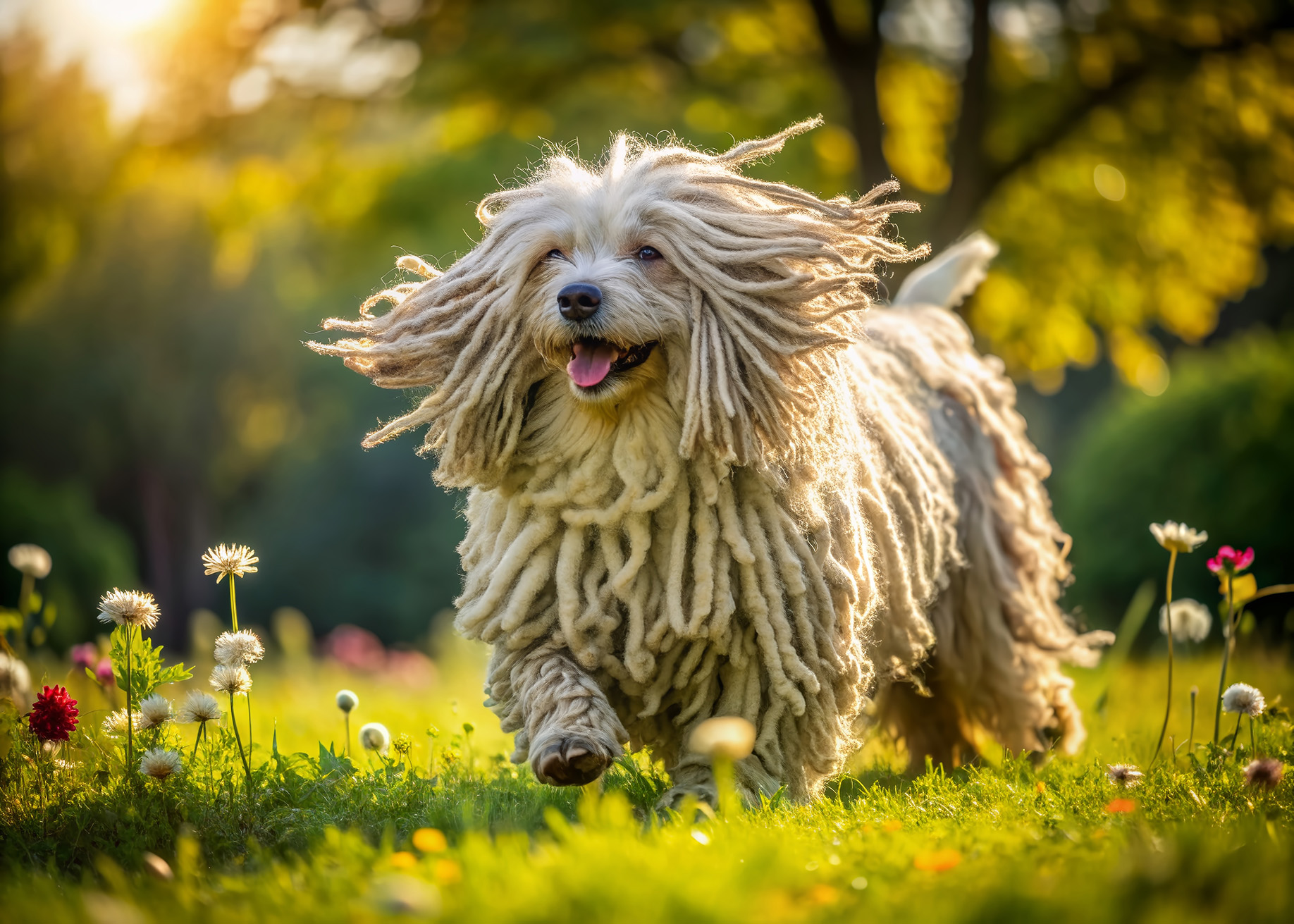
The Puli (plural: Pulik) is a medium-sized Hungarian herding dog developed to gather and drive sheep while working closely with its person. It’s best known for a distinctive corded coat that forms naturally as the adult coat matures.
Bred for centuries as an all‑purpose farm helper, the Puli combines quickness, stamina, and independent problem‑solving with strong devotion to family. In modern homes, most Pulik are companions, but they still thrive when they have a job—training, dog sports, and structured play.
Description
The Puli is a unique and strikingly agile herding dog known for its distinctive coat and energetic personality. Originating from Hungary, this ancient breed has a history that spans over a thousand years. The Puli was primarily used for herding and guarding livestock, particularly sheep and cattle, in the rugged terrain of Hungary. Known for their intelligence and keen herding instincts, Pulis were invaluable to Hungarian shepherds, often working in challenging environments and performing tasks such as rounding up flocks and protecting them from predators. Today, the Puli is still used for herding, but it has also gained popularity as a companion dog due to its loyal and affectionate nature.
Physically, the Puli is a medium-sized dog with a compact, muscular build. Standing between 16 and 17 inches tall at the shoulder and weighing between 25 and 35 pounds, the Puli is strong, agile, and well-suited for the fast-paced demands of herding. One of the breed's most distinguishing features is its coat, which consists of long, corded fur that forms thick, rope-like dreadlocks as the dog matures. This unique coat serves as protection against harsh weather and helps the Puli blend in with the sheep it guards. The coat requires regular maintenance to prevent matting and to keep it in good condition. Underneath the coat, the Puli has an alert, expressive face with dark eyes and perky ears, contributing to its intelligent and alert appearance.
Temperamentally, the Puli is an intelligent, energetic, and independent dog with a strong desire to work. Known for its exceptional problem-solving abilities, the Puli is highly trainable, though it can sometimes be independent or stubborn due to its herding background. They are very devoted to their families and are often protective, making them excellent watchdogs. Pulis are typically friendly and social with family members, and they tend to get along well with children and other pets, although their herding instincts may sometimes lead them to "herd" family members or smaller animals. Because of their high energy levels and intelligence, Pulis need plenty of physical and mental stimulation to remain happy and healthy.
The Puli thrives in active homes where it can get regular exercise and have a job to do. Whether herding livestock, participating in dog sports like agility and obedience, or engaging in outdoor activities such as hiking, the Puli excels when it is mentally and physically challenged. They are a great choice for owners who are willing to invest time in training and grooming, as the Puli’s intelligent and independent nature requires consistent engagement. With their unique appearance, vibrant energy, and hardworking disposition, the Puli remains a beloved breed among those who appreciate its heritage and versatility as both a working dog and a loyal companion.
History
The Puli is an ancient herding breed with roots that trace back over a thousand years to the Magyar tribes of Central Asia. These nomadic people brought the ancestors of the Puli with them to the Carpathian Basin, where the breed became an integral part of Hungarian shepherding culture. Known for their intelligence, agility, and distinctive corded coat, Pulis were highly valued for their ability to herd and guard livestock, particularly sheep, in the rugged landscapes of Hungary. Their natural herding instincts and close bond with shepherds made them indispensable working dogs.
The Puli's corded coat, one of its most striking features, served a functional purpose in its early history. The dense, woolly cords provided protection against harsh weather and predators, while also blending with the sheep they guarded, offering a level of camouflage. This unique coat, along with their agility and stamina, enabled the Puli to perform its duties in challenging conditions. The breed’s smaller size compared to other herding dogs allowed it to maneuver nimbly among livestock.
By the late 19th and early 20th centuries, the Puli’s numbers began to decline due to modernization in agriculture and the introduction of other herding breeds. However, Hungarian breeders took steps to preserve the breed and its working traits. The Puli was officially recognized in Hungary in 1915, and breed standards were established to ensure its distinct characteristics. The breed gained international attention when it was exhibited at European dog shows in the 1920s and 1930s.
Today, the Puli is celebrated not only as a herding dog but also as a loyal and playful companion. While it remains an active working dog in some regions, it has also gained popularity in canine sports such as agility and obedience. The breed’s history reflects its adaptability and the dedication of those who have worked to preserve its unique heritage and extraordinary appearance.
Appearance
A Puli is compact and squarely built, with a lively, agile outline that can be hard to see under the coat. The hallmark is the dense double coat—soft undercoat plus a coarser outer coat—that can be brushed out or encouraged to form cords (tassel-like strands).
Colors are typically solid (commonly black, but also gray and white are seen). Under the coat you’ll find a sturdy, athletic dog with drop ears and bright, alert expression; the tail is carried over the back.
Colors
• Black
• Brindle
• Brown
• Cream
• Rust
• Silver
• White
Health
Overall, the Puli is often described as hardy, but like many medium breeds it can be affected by inherited orthopedic issues. Hip dysplasia is commonly cited as a key concern, and responsible breeders screen breeding dogs.
Because the coat can hide skin problems, routine hands‑on checks are important—look for irritation, parasites, or hot spots, especially after outdoor time or bathing. Work with a veterinarian on a preventive plan (weight management, exercise, parasite control) and ask breeders for documentation of health testing.
Care
Coat care is the make‑or‑break part of living with a Puli. If you keep the coat long and corded, you’ll need regular hands‑on maintenance—separating cords as they form, keeping the skin clean, and checking for trapped debris. If you keep the coat brushed out, consistent brushing is required to prevent heavy matting.
Bathing and drying can take a long time, especially with cords, so many pet owners choose a shorter trim for practicality. Along with grooming, plan on daily exercise (often at least an hour of active play, brisk walks, or training) plus routine nail, ear, and dental care.
Training
The Puli is a quick learner that enjoys puzzles and new skills, but it can also be stubborn—an echo of a dog bred to insist that livestock move. Reward‑based training, short sessions, and variety usually get the best results.
Start socialization early and keep it going through adolescence so the dog learns to be confident around visitors, noises, and other animals. Give the breed an outlet for its brain and body—obedience, rally, agility, and herding-style games can turn that intensity into a great partnership.
Temperament
Pulik are bright, energetic, and resourceful—classic herding-dog traits. They tend to bond tightly with their household and often take their watchdog duties seriously, remaining alert and vocal when something feels “off.”
With strangers and unfamiliar dogs, many Pulik are naturally reserved or wary, so early, positive socialization matters. In the family, they’re typically playful and affectionate, and they do best with owners who enjoy interacting, training, and providing daily activity.
Lifestyle
A Puli fits best in an active household that wants a “teammate,” not a decorative pet. They’re happiest with daily structure—training, a real walk, and time to run or play—plus regular opportunities to use their brain.
They can live in a house or apartment if exercise and mental work are consistent, but they’re not ideal for a low‑activity routine. Expect a dog that notices everything, may bark to announce changes, and prefers being involved with the family’s day-to-day life.
Ownership
Prospective owners should plan for meaningful time spent on grooming choices and maintenance. A corded, full coat is striking but time‑intensive; a shorter trim is easier but still needs routine brushing and bathing to keep the skin healthy.
Choose a breeder (or rescue) that prioritizes temperament and health screening, and be ready to invest in training from puppyhood. The Puli’s loyalty and enthusiasm are a joy when guided well—but without direction, the same intelligence can turn into nuisance barking or self‑appointed “herding” of kids and other pets.
Interesting Facts
- Pronunciation: “POO-lee”; the plural is “Pulik.”
- Origin: Hungary; historically used to herd and drive sheep and guard property.
- Signature trait: a naturally corded coat formed from a dense double coat.
- Temperament snapshot: smart, energetic, devoted, often reserved with strangers.
- Common activities: obedience, rally, agility, and herding-style work.