
Pyrenean Shepherd
Basics
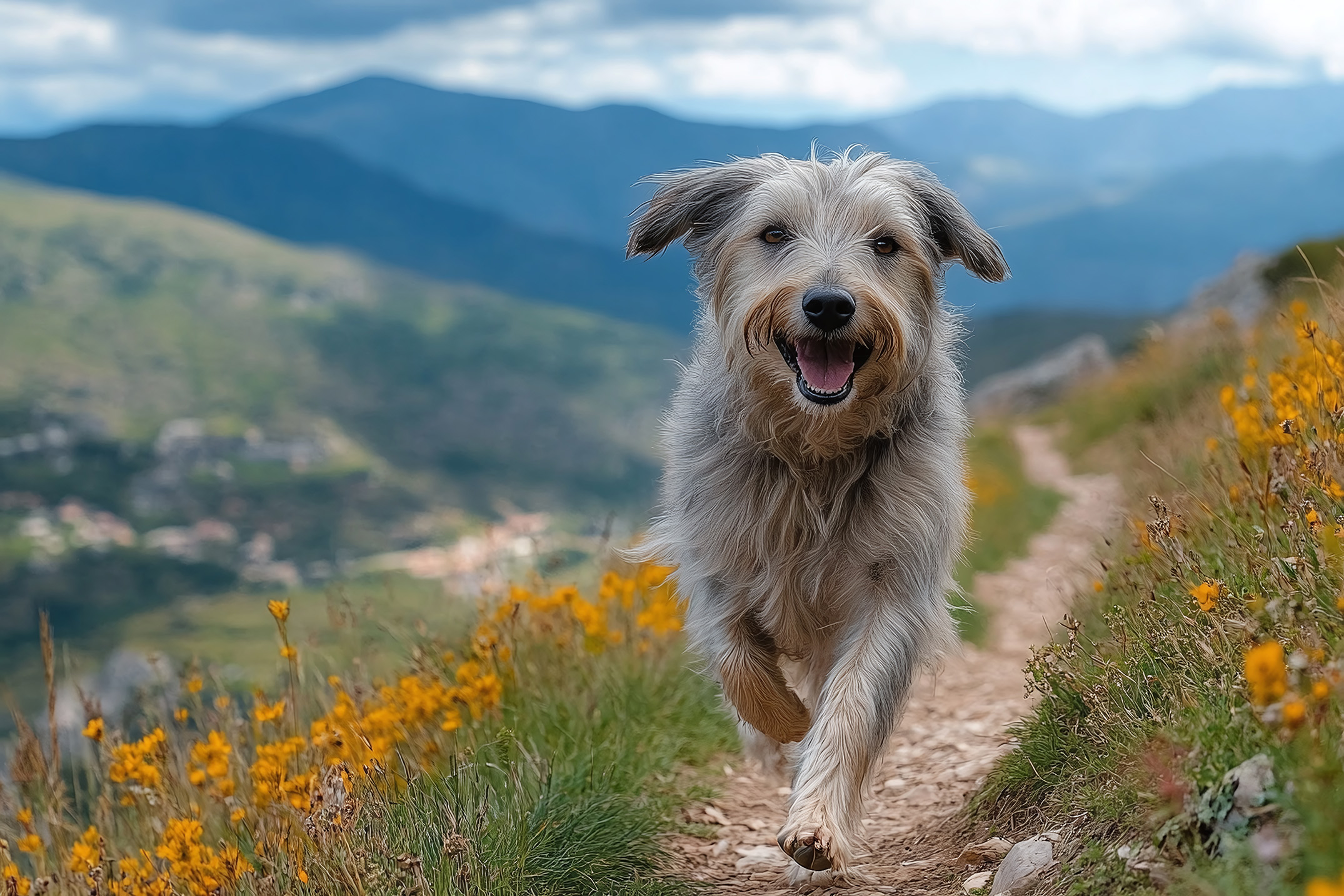
The Pyrenean Shepherd (often called the “Pyr Shep”) is a small, tough French herding dog from the Pyrenees Mountains. Despite the compact size, it was bred to work all day—quick, agile, and intensely engaged with its flock and handler.
Modern Pyr Sheps are best known for their big-dog drive in a smaller package. They’re whip-smart and energetic, thriving with owners who enjoy training, dog sports, and an active daily routine.
Description
The Pyrenean Shepherd, also known as the Pyr Shep, is a lively and intelligent herding dog that hails from the Pyrenees Mountains, which form the natural border between France and Spain. This breed was developed to help shepherds manage and protect flocks of sheep in the harsh mountain terrain. The Pyrenean Shepherd is highly regarded for its agility, intelligence, and independence, making it an excellent working dog for herding and guarding livestock. It has a long history of being a companion to shepherds in remote regions, where its keen instincts and tireless work ethic were invaluable.
Physically, the Pyrenean Shepherd is a small to medium-sized dog, with males standing between 16 to 18 inches at the shoulder and females slightly smaller. They have a compact, agile frame that allows them to move quickly and efficiently across difficult terrain. One of the most distinctive features of the breed is its coat, which comes in two variations: the rough coat, which is longer and wavier, and the smooth coat, which is short and dense. Both coat types are weather-resistant, providing protection against the elements while the dog is working. Their expressive eyes, pointed ears, and alert expression reflect their intelligence and readiness to respond to commands or threats.
Temperamentally, the Pyrenean Shepherd is known for its high energy, loyalty, and strong work drive. These dogs are extremely intelligent and learn quickly, which makes them highly trainable, though they also have a strong independent streak due to their history as autonomous herders. They are very alert and protective, often bonding closely with their families and showing a natural instinct to guard their home or livestock. While they are friendly and affectionate with their owners, they can be reserved or wary around strangers, which makes them good watchdogs. Their herding instincts are very strong, so they may try to herd children, other pets, or even vehicles, which is something owners should be mindful of.
The Pyrenean Shepherd is best suited for active families or individuals who can provide plenty of exercise and mental stimulation. This breed thrives in environments where it has a job to do, whether it’s herding, agility training, or engaging in other physically demanding activities. Without enough stimulation, they may become bored or develop behavioral issues. Due to their high intelligence and independent nature, they require consistent training and socialization from an early age. The Pyrenean Shepherd excels in dog sports and can also be a wonderful companion for outdoor enthusiasts. Their loyalty, energy, and versatility make them a cherished breed among those who appreciate working dogs and have the time and space to meet their needs.
History
The Pyrenean Shepherd, or *Berger des Pyrénées*, is an ancient and agile herding breed that has been working alongside shepherds in the Pyrenees Mountains of southern France for centuries. This breed played an integral role in the pastoral lifestyle of the region, herding sheep and other livestock across the rugged terrain. The Pyrenean Shepherd’s origins are thought to date back thousands of years, with its ancestors likely being brought to the region by early settlers. Over time, the breed adapted to the challenging mountain environment, developing the speed, intelligence, and stamina needed to manage flocks effectively.
There are two distinct varieties of the Pyrenean Shepherd: the Smooth-Faced and the Rough-Faced, which differ primarily in coat type but share similar temperaments and working abilities. Both varieties were bred for their herding skills, particularly their ability to control large flocks with minimal guidance. Unlike larger herding breeds, the Pyrenean Shepherd excelled in quick and precise movements, making it ideal for navigating the steep slopes and narrow paths of the Pyrenees.
The breed gained broader recognition during World War I, when Pyrenean Shepherds were used by the French military as messenger dogs, search-and-rescue dogs, and companions for soldiers. Their intelligence, loyalty, and adaptability proved invaluable during the war, further cementing their reputation as a versatile and reliable working breed.
In the 20th century, efforts were made to preserve the Pyrenean Shepherd and promote its unique qualities outside of France. The breed was officially recognized by the Fédération Cynologique Internationale (FCI) in 1926 and later by the American Kennel Club (AKC) in 2009. Today, the Pyrenean Shepherd remains a favorite among shepherds and dog enthusiasts who appreciate its agility, trainability, and energetic personality. While still relatively rare outside its native region, the breed’s rich history as a hardworking and loyal companion continues to make it a cherished part of the herding dog community.
Appearance
Pyrenean Shepherds are lean, athletic, and “sinewy,” built for speed and endurance rather than bulk. The breed is seen in two main coat types: a rough-faced variety with more coat on the face, and a smooth-faced variety with a cleaner, shorter look.
Coat color can vary widely (including fawn shades, gray, black, brindle, and merle patterns). Overall, the impression is of a lively, agile worker—light on its feet and ready to move.
Colors
• Black
• Black & White
• Blue Merle
• Brindle
• Brindle Merle
• Fawn
• Fawn Merle
• Gray
• Slate Gray
• White
Health
As with many active breeds, owners should be aware of orthopedic and inherited conditions. Issues reported in the breed include hip dysplasia and patellar luxation, and some lines may see eye disease or neurologic conditions such as epilepsy.
The best risk-reducer is choosing a responsible breeder who does documented health screening (hips, knees, and eye evaluations) and who is transparent about family history. Keep the dog lean and well-conditioned, and work with your veterinarian on joint-friendly exercise as the dog matures.
Care
Plan on daily exercise and mental work—this is an indefatigable herder, not a couch ornament. Many Pyr Sheps need at least an hour of purposeful activity (running, hiking, training games, sport practice), plus structured downtime.
Grooming is usually moderate compared to heavy-coated breeds: routine brushing to prevent tangles and remove debris, regular nail trims, ear checks, and dental care. Because the breed is athletic and quick, prioritize safe off-leash areas and secure fencing.
Training
Pyr Sheps learn fast and can excel in obedience, rally, agility, flyball, tracking, and herding-style work. Training should be reward-based, upbeat, and varied—repetition bores them, and boredom often turns into “creative” behavior.
Start socialization early, teach a reliable recall and an “off switch,” and address barking thoughtfully (teach a cue to stop, reward quiet, manage triggers). Consistency matters: this is the kind of dog that will test rules and exploit loopholes.
Temperament
A well-bred Pyr Shep is enthusiastic, mischievous, and highly intelligent. They often form strong attachments to their people and may be more “one-family” than universally friendly.
Because many are naturally reserved or suspicious with strangers, early and ongoing socialization is critical. They’re typically alert watchdogs and can become nuisance barkers without guidance, consistent training, and enough daily activity.
Lifestyle
This breed fits best with highly active people who want a dog that is involved in everything—training, outdoor time, and family life. Given enough exercise, a Pyr Shep can adapt to many living situations, but the routine must be real and consistent.
They’re usually not a great match for first-time dog owners or households that can’t provide daily structure. Expect a dog that is observant, fast, and opinionated—and happiest when it has a job.
Ownership
Living with a Pyr Shep is mostly about meeting needs: exercise, engagement, and clear boundaries. If those pieces are missing, common problems include nuisance barking, destructiveness, and reactive behavior around unfamiliar people or dogs.
Before committing, be honest about your schedule and your interest in training. With the right match, you get a devoted, brilliant partner; with the wrong match, you get a small dog with very big horsepower.
Interesting Facts
- Origin: the Pyrenees Mountains of France; developed as a working sheepdog.
- Reputation: extremely energetic, smart, and often seen excelling in agility and other sports.
- Two looks: “rough-faced” and “smooth-faced” varieties.
- Socialization need: typically reserved with strangers; early exposure is important.
- Watchdog tendency: alert and vocal unless taught good barking manners.