
Smooth Fox Terrier
Basics
The Smooth Fox Terrier is a classic British terrier originally kept with traditional foxhunts as an “earth dog,” ready to work when a fox went to ground. It’s closely related to the Wire Fox Terrier; the two share a similar silhouette and personality, with coat type being the most obvious difference.
In a home, a Smooth Fox Terrier is typically a bright, athletic companion with a big terrier engine. They’re best for people who want an interactive dog—one that enjoys training, games, and daily outlets for energy and curiosity.
Description
The Smooth Fox Terrier is a lively, athletic terrier developed in England and renowned for its sharp intelligence, speed, and bold personality. Sleek and well-balanced, the breed was built for stamina and agility, with a smooth, dense coat that allows it to move easily through brush, tight spaces, and underground passages. Its clean outline and alert expression reflect a dog bred for purpose rather than ornament.
Originally developed for fox hunting, the Smooth Fox Terrier worked closely with hounds, locating foxes that had gone to ground and bolting them so the hunt could continue. This role required courage, independence, and a strong voice, along with the flexibility to maneuver in confined spaces. The breed’s combination of quick reflexes and unwavering confidence made it a reliable and highly respected earth-working terrier.
In temperament, the Smooth Fox Terrier is energetic, curious, and intensely engaged with its surroundings. It is known for its playful nature and sharp mind, but also for classic terrier determination and occasional stubbornness. The breed thrives with structure, training, and regular physical and mental outlets, forming strong bonds with its family while remaining ever-alert and ready for action.
Today, the Smooth Fox Terrier is most commonly seen in the show ring and as an active companion, but it still excels in performance sports such as agility, obedience, barn hunt, and earthdog trials. Beneath its polished appearance lies a true working terrier—confident, driven, and shaped by generations of demanding field work.
History
The history of the Smooth Fox Terrier dates back to 18th-century England, where it was developed as a specialist dog for fox hunting. Working alongside mounted hunts and packs of hounds, the terrier’s job was to locate foxes that had gone to ground and drive them back out so the chase could continue. This required a dog that was small enough to enter narrow earths, yet bold and vocal enough to confront quarry underground.
Early Smooth Fox Terriers descended from old British working terriers, with influences likely including the Black and Tan Terrier and other regional hunting terriers. Unlike many later terrier breeds, these dogs were bred strictly for function, not appearance. White coloration became preferred early on, as it helped hunters distinguish the terrier from the fox during chaotic moments at the earth.
By the mid-19th century, the Smooth Fox Terrier became one of the first terriers to be standardized as dog shows gained popularity. The breed was officially recognized by The Kennel Club in England in 1875, and it quickly became a cornerstone breed in the developing terrier group. Its structure, attitude, and working style heavily influenced the development of several other terrier breeds, earning it a reputation as one of the foundation terriers.
As fox hunting declined and exhibition breeding increased, the Smooth Fox Terrier gradually transitioned from field dog to show and companion animal. Despite this shift, the breed’s history as a bold, capable earth-working terrier remains central to its identity. Its confidence, alertness, and athleticism today are direct reflections of centuries spent doing demanding, real-world work underground and alongside hounds.
Appearance
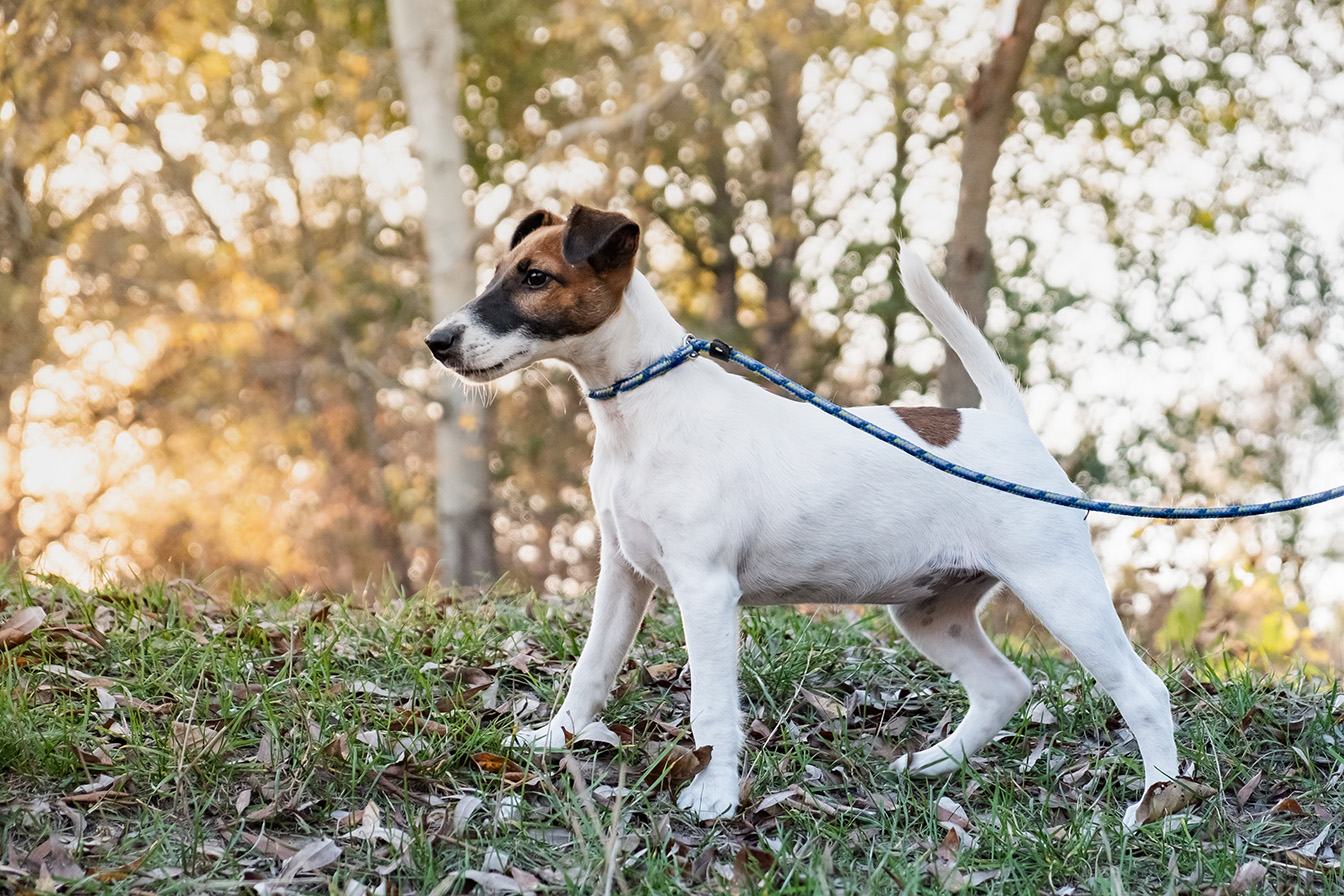
Smooth Fox Terriers are compact, balanced, and built for speed and agility, with a clean, refined head and a relatively short back. They’re known for their alert expression, V-shaped ears that fold forward, and a confident, “ready to go” carriage.
The coat is short, dense, and smooth to the touch. The traditional coloration is predominantly white, often with black and/or tan markings, a practical choice that helped distinguish the dog from quarry when working.
Colors
• White
• White & Black
• White & Tan
• White Black & Tan
• White Tan & Black
Health
Smooth Fox Terriers are generally hardy, but responsible breeders still screen and select carefully. Eye health is a common focus in many terrier breeds; kennel-club style recommendations often include routine eye testing, and owners should take any redness, cloudiness, or squinting seriously.
Like many small, athletic dogs, they can be prone to minor orthopedic wear-and-tear if kept overweight or under-conditioned. Keeping them lean, fit, and well-muscled—and maintaining dental care—goes a long way toward supporting long-term comfort and mobility.
Care
Day-to-day grooming is straightforward. A weekly brush (and the occasional bath) usually keeps the short coat in good shape, and they tend not to require specialized trimming.
The bigger care requirement is exercise and enrichment. Plan for brisk walks plus training games, tug/fetch, or problem-solving toys; without enough to do, they can turn their intelligence into DIY entertainment like digging, barking, or redecorating cushions.
Training
Smooth Fox Terriers are quick learners, but they learn patterns—good and bad—very fast. Reward-based training with clear criteria works well; keep sessions short, varied, and upbeat to hold their attention.
Because of prey drive and a love of chasing, reliable off-leash freedom usually requires significant training and a safe area. Teach a strong recall, “leave it,” and impulse-control skills early, and prioritize socialization so their enthusiasm doesn’t become pushiness.
Temperament
This is a lively, gregarious terrier with plenty of confidence. Many are people-oriented and fun-loving, but they also have a strong sense of purpose: if something moves, squeaks, or scurries, a Smooth Fox Terrier is likely to notice first—and chase second.
They can be vocal and inventive when bored, and they may test boundaries if rules are inconsistent. With early socialization and clear routines, they’re often cheerful household members, but they are rarely a “laid-back” breed.
Lifestyle
This breed can live in a range of settings, including a city home, as long as they get daily activity and mental work. They often enjoy being involved in whatever the household is doing and may struggle if left with nothing to do for long hours.
A secure yard (or a reliable leash routine) matters: they’re fast, curious, and enthusiastic about investigating holes, scents, and anything that runs. If you have close neighbors, start early on calm greetings and barking management.
Ownership
Choose your Smooth Fox Terrier with your lifestyle in mind: these are “do something with me” dogs. Reputable breeders should be transparent about temperament, structure, and health testing (including recommended eye screening), and should be able to match you with a puppy that fits your experience level.
If you want a terrier but prefer a lower-grooming coat than many wire-coated breeds, the Smooth is appealing—but don’t confuse “easy coat” with “easy dog.” Ownership tends to be most rewarding for people who enjoy training, dog sports, and daily engagement.
Interesting Facts
- Original job: hunt terrier/earth dog used with British foxhunts.
- Coat type: short, dense, smooth (generally lower-maintenance than wire coats).
- Typical color: predominantly white with black and/or tan markings.
- Personality snapshot: lively, bold, clever, and often very people-focused.
- Key management theme: strong prey drive + speed means secure fencing/leashing is important.
- Close relative: Wire Fox Terrier (similar build and temperament; different coat).