Toy Poodle
Basics
The Toy Poodle is the smallest size variety of the Poodle, bred primarily as a companion. While the Standard Poodle originated as a working water dog, Toy and Miniature varieties were developed to bring Poodle traits into a smaller, house-friendly package and have been popular companion dogs for centuries.
Most Toy Poodles are bright, people-oriented, and thrive on regular interaction. They do best in homes that enjoy daily engagement—short walks, play, training games, and plenty of attention—rather than being left to entertain themselves.
Description
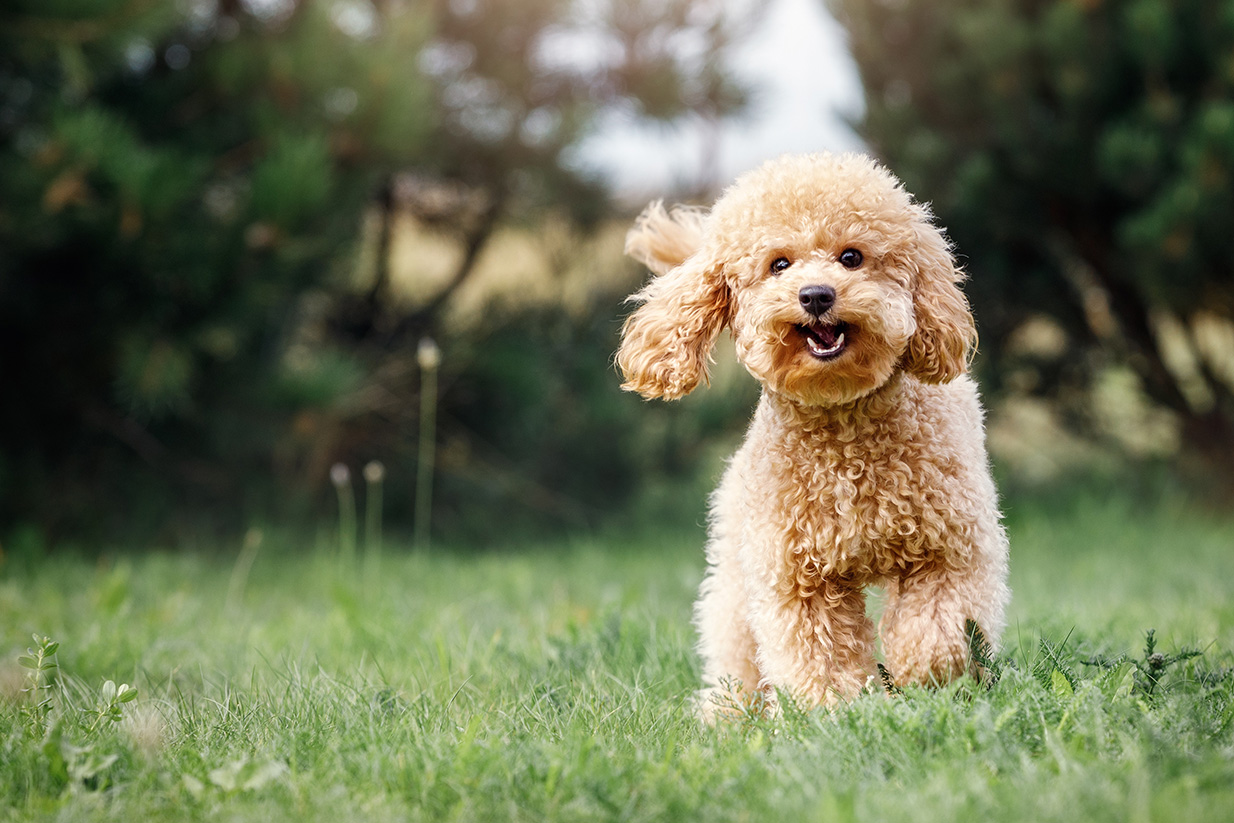
The Toy Poodle is a small, elegant, and highly intelligent dog breed celebrated for its charming appearance, lively personality, and exceptional trainability. As the smallest variety of the Poodle family, Toy Poodles typically stand under 10 inches tall at the shoulder and weigh between 4 to 6 pounds. Despite their diminutive size, they retain all the traits that have made Poodles one of the most popular and versatile breeds in the world. Their graceful build, alert expression, and trademark curly coat give them a distinctive and sophisticated appearance.
One of the most recognizable features of the Toy Poodle is its dense, hypoallergenic coat, which can be styled in a variety of ways, from the classic "Continental Clip" to more practical trims for companion dogs. Their coats come in a wide array of solid colors, including white, black, apricot, red, and silver, among others. Regular grooming is essential to prevent matting and to maintain their elegant look, but their low-shedding coat makes them a favorite for allergy sufferers.
Toy Poodles are known for their intelligence and adaptability, often ranking as one of the most intelligent dog breeds. They excel in obedience training and are quick learners, making them ideal for a range of activities, including agility, tricks, and even therapy work. Their lively and social nature makes them affectionate companions, thriving in homes where they receive plenty of interaction and mental stimulation.
While Toy Poodles are affectionate and playful, they are also known for their alertness and make excellent watchdogs, often quick to sound the alarm when they sense something amiss. They are well-suited to apartment living due to their size but require regular exercise and playtime to keep their minds and bodies healthy. Despite their elegant appearance, Toy Poodles are energetic and enjoy active play sessions as much as they enjoy cuddling with their owners.
With their combination of beauty, intelligence, and loving temperament, Toy Poodles have remained a cherished companion for centuries. Whether as a stylish show dog or a devoted family pet, the Toy Poodle’s versatility and charm continue to make it a favorite among dog lovers around the world.
History
The history of the Toy Poodle is intertwined with that of its larger counterparts, the Standard and Miniature Poodles, with origins that can be traced back to Europe several centuries ago. The Poodle’s ancestors are believed to have originated in Germany, where they were bred as water retrievers. The breed’s name is derived from the German word “pudel,” meaning “to splash in water.” While the Standard Poodle was originally a working dog, the smaller varieties, including the Toy Poodle, were developed primarily for companionship.
The Miniature Poodle was likely the first smaller variation, bred to hunt truffles and serve as a companion dog. By the 17th and 18th centuries, breeders began to develop the Toy Poodle to meet the demand for an even smaller companion dog that could live comfortably in urban environments and travel easily with their aristocratic owners. Toy Poodles quickly became a favorite among European nobility and royalty, who admired their intelligence, charm, and elegant appearance. They were often pampered and carried by their owners, further solidifying their role as lapdogs and symbols of wealth and sophistication.
During the 19th and 20th centuries, the Toy Poodle gained popularity outside of Europe, particularly in the United States, where it was celebrated for its versatility as both a show dog and a companion. The American Kennel Club (AKC) officially recognized the Toy Poodle in 1887, and the breed has remained a favorite ever since. Breeders focused on refining the Toy Poodle’s distinctive traits, including its dense, hypoallergenic coat, lively personality, and diminutive size, ensuring its continued appeal in households around the world.
Despite their size, Toy Poodles retain the intelligence and trainability of their larger counterparts, making them a popular choice for families and individuals seeking a compact yet highly capable companion. Today, the Toy Poodle is celebrated not only for its historical connection to European aristocracy but also for its adaptability and timeless charm. Its rich history as a companion to royalty and commoners alike highlights its enduring appeal and versatility as one of the world’s most beloved breeds.
Appearance
Toy Poodles are squarely built, fine-boned dogs with an alert, elegant outline and a proud carriage. UKC describes the Toy variety as 10 inches or under at the withers, with proportions that emphasize balance and a level topline rather than a long-backed look.
The breed’s signature is its dense, harsh, curly coat (or corded coat), which can be styled in traditional clips or kept in an easy pet trim. Long drop ears, oval eyes with an intelligent expression, and a high-set tail carried erect complete the classic Poodle picture.
Colors
• Apricot
• Black
• Black & Apricot
• Black & Brown
• Black & Cream
• Black & Gray
• Black & Silver
• Black & Tan
• Black & White
• Blue
• Brown
• Cafe Au Lait
• Cream
• Cream & White
• Gray
• Gray & White
• Red
• Red & Apricot
• Red & White
• Silver
• Silver Beige
• White
• White & Apricot
• White & Silver
Health
Toy Poodles are generally sturdy for their size, but “small dog” vulnerabilities still apply. Protect them from jumps off furniture, rough handling, and interactions with much larger dogs, which can lead to injuries.
Nutrition and routine preventive care make a noticeable difference in this breed. VCA notes Toy Poodle puppies may be prone to hypoglycemia, so very small puppies often benefit from frequent meals and careful monitoring; talk with a veterinarian about an age-appropriate feeding plan and when it’s safe to transition to fewer meals.
Care
Coat care is the big commitment: Toy Poodles need frequent brushing and combing to prevent matting, especially if the coat is kept longer. Many owners schedule professional grooming on a regular cycle and use a simple all-over “pet clip” for easier maintenance.
Beyond grooming, keep nails short, check ears, and watch the eyes for irritation from stray hairs. Because of their small size, they can chill more easily than larger dogs, so plan for warmth in cold weather and avoid rough play that could lead to injury.
Training
Toy Poodles are often among the easier breeds to train because they’re biddable, quick to learn, and enjoy working with people. Short, upbeat sessions with treats, toys, and praise tend to produce fast progress, especially for manners, tricks, and foundation obedience.
Focus early on socialization and “quiet” skills (settle, place, and polite greeting) to prevent nuisance barking and anxiety. Mental exercise matters as much as physical exercise—puzzle toys, scent games, and trick training can do wonders for a Toy Poodle’s behavior.
Temperament
Toy Poodles are typically highly social, affectionate, and tuned in to their people. They’re known for being intelligent and responsive, often seeming to “read the room” and adapting quickly to routines and household rules.
Because they’re sensitive and very people-focused, they usually do best with gentle handling and reward-based training. Some can become vocal or wary if under-socialized, but consistent exposure to new people, places, and sounds helps them stay confident and friendly.
Lifestyle
Toy Poodles can fit well in apartments and smaller homes as long as they get daily walks and playtime. A lap-friendly companion at home doesn’t mean “no exercise”—they still need regular activity and especially mental engagement to stay calm and content.
They tend to prefer being near their people and may struggle if left alone for long stretches. If your schedule is busy, plan for enrichment, a midday visit, or dog-safe companionship strategies so they don’t develop boredom behaviors.
Ownership
Toy Poodles are a great match for owners who enjoy grooming (or budgeting for it) and who want an interactive, trainable companion. Choose a breeder who prioritizes temperament and health testing, or consider a reputable rescue; in either case, ask about the dog’s confidence, handling tolerance, and comfort around children and other pets.
Set your household up for small-dog safety: ramps or steps for furniture, careful supervision with kids, and leash skills that prevent dashing into hazards. With consistent routines and gentle training, Toy Poodle ownership is usually rewarding, lively, and deeply bonded.
Interesting Facts
- Toy Poodles are defined by height: 10 inches or under at the withers (UKC standard).
- The coat is dense and curly (or corded) and requires regular grooming to prevent matting.
- Toy and Miniature Poodles were developed from smaller Standard Poodles to create companion-sized dogs.
- They’re known for high intelligence and trainability, and often excel at tricks and performance sports.
- Very small Toy Poodle puppies can be at risk for hypoglycemia and may need frequent meals (VCA).