Utonagan
Basics
The Utonagan is a “wolf look-a-like” companion dog developed in the United Kingdom from northern and herding-breed lines (commonly described as Alaskan Malamute, Siberian Husky, and German Shepherd ancestry) with the explicit goal of a wolfish appearance without wolf content.
Because the breed is maintained through societies and associations rather than major kennel-club recognition, type and temperament can vary more than in long-established purebreds. Most Utonagans do best with owners who enjoy active days, consistent training, and close household companionship.
Description
The Utonagan is a striking and wolf-like dog breed known for its majestic appearance and friendly, adaptable nature. Originating in the United Kingdom in the late 20th century, the breed was developed by combining several dog breeds, including the Alaskan Malamute, Siberian Husky, and German Shepherd. The goal was to create a domestic dog that resembled a wolf in appearance while maintaining the temperament of a loyal and trainable companion. The Utonagan has since become a popular choice for individuals seeking a unique and intelligent dog with a wild aesthetic but a warm, approachable personality.
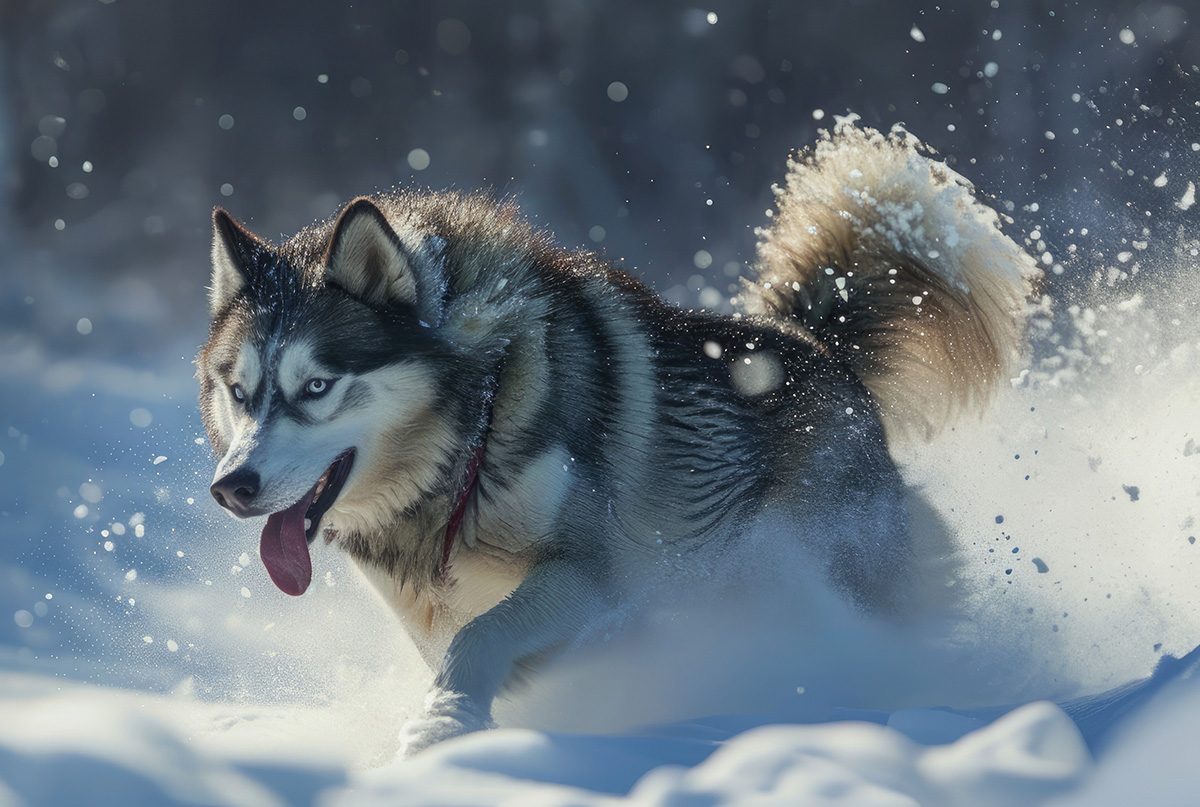
Physically, the Utonagan is medium to large-sized, with males standing between 26 and 30 inches at the shoulder and females slightly smaller. They typically weigh between 55 and 110 pounds, depending on their build and gender. The breed is known for its thick double coat, which comes in a variety of colors, including silver, gray, black, and cream. This dense coat gives the Utonagan a wolf-like appearance and provides insulation in cold climates. Their almond-shaped eyes, which can be amber, brown, or blue, and their erect or semi-erect ears add to their resemblance to their wild cousins.
The Utonagan is a friendly, intelligent, and social breed that thrives on companionship. They are known for their affectionate and gentle nature, making them excellent family dogs. Utonagans are good with children and typically get along well with other dogs, though their high prey drive may require careful introductions to smaller pets. They are highly trainable due to their intelligence, but their independent streak means they benefit from consistent, positive reinforcement-based training. Early socialization is key to ensuring a well-rounded and confident adult dog.
Utonagans require an active lifestyle and are best suited for owners who can meet their exercise and mental stimulation needs. They enjoy outdoor activities like hiking, running, and playing, and they excel in canine sports such as agility, obedience, and even sledding. Their thick coat requires regular grooming to prevent matting and manage shedding, especially during seasonal coat changes. With proper care and attention, the Utonagan is a loyal, strikingly beautiful, and versatile companion, offering the perfect blend of wild looks and domestic temperament.
History
The Utonagan is a relatively modern dog breed developed in the United Kingdom with the aim of creating a domestic dog that closely resembles a wolf in appearance while maintaining the temperament of a friendly and loyal companion. The breed’s name, "Utonagan," is derived from a Chinook word meaning "spirit of the wolf." It reflects the breed’s intended aesthetic and its connection to the mythology and symbolism of wolves.
The Utonagan’s development began in the late 20th century, spearheaded by breeders such as Edwina Harrison, who sought to create a dog with a striking wolf-like appearance without any actual wolf content. The foundation for the breed was established by crossing several northern and working breeds, including Siberian Huskies, Alaskan Malamutes, and German Shepherds. These breeds were chosen for their physical traits and temperament, resulting in a dog that is both visually striking and versatile.
While the Utonagan is not recognized by major kennel clubs, it has gained a dedicated following among enthusiasts who admire its unique appearance and friendly, adaptable nature. The breed is known for its thick double coat, erect ears, and bushy tail, all of which contribute to its wolf-like aesthetic. Despite its wild appearance, the Utonagan is bred for its gentle and cooperative temperament, making it suitable as a family pet.
Today, the Utonagan remains relatively rare and is primarily found in the UK and Europe. It is appreciated not only for its beauty but also for its intelligence and versatility. The breed’s history reflects a deliberate and thoughtful effort to balance the allure of the wolf with the reliability and companionship of a domestic dog, making it a unique and cherished breed for those who value its spirit and charm.
Appearance
Utonagans are typically medium-to-large, athletic dogs with a lupine outline—upright ears, a balanced frame, and a thick, double coat suited to cooler weather. The intended look is “wolf-like,” but with the proportions and movement of a capable domestic working dog rather than an exaggerated, heavy build.
Coat density can change with seasons, and shedding can be significant. As with many northern-type dogs, practical appearance care is less about trimming and more about keeping the coat brushed, clean, and free of mats during heavier sheds.
Colors
• Black
• Grizzle
• White
Health
As with many medium-to-large, athletic dogs, joint health is a key consideration. Breed-specific statistics from the British Veterinary Association/Kennel Club hip dysplasia scheme include Utonagan results (listed among breeds not currently recognized by the Kennel Club), which underscores why responsible breeders often emphasize hip scoring and careful mate selection.
Ask breeders what health screening they do (hips, eyes, and any line-specific concerns), and request documentation. For owners, keeping the dog lean, building fitness gradually, and addressing limping or stiffness early are practical steps that support long-term soundness.
Care
Plan on regular brushing (often weekly, and more frequently during seasonal coat blows) to manage shedding and keep the undercoat from compacting. Routine nail care and ear checks are important, especially for dogs that spend time hiking or in wet grass.
Exercise needs are usually substantial. Long walks, hikes, structured play, and training games help meet both physical and mental needs; many owners also enjoy pulling sports or scent-based activities as constructive outlets.
Training
Utonagans generally respond best to calm, reward-based training with lots of consistency. Keep sessions short and engaging, and focus on building attention and handler value—especially outdoors where scents, movement, and other dogs can be highly distracting.
Recall, leash manners, and impulse control are the skills that pay off most. Because some dogs will test boundaries, management (secure fencing, long lines, and clear household rules) often complements training while reliability is still developing.
Temperament
Most Utonagan descriptions emphasize a people-focused companion who wants to be involved with their family. Many individuals are smart and responsive, but can also show the independence and environmental curiosity common to northern-type dogs.
Temperament is strongly shaped by early socialization, predictable routines, and clear reinforcement. A Utonagan that gets enough exercise and mental work is typically easier to live with; one that is under-stimulated may become noisy, restless, or determined to explore.
Lifestyle
Utonagans tend to fit best with active households that enjoy daily outdoor time and ongoing training. They’re usually not ideal for a very sedentary routine or for owners who need a dog that is content with minimal exercise.
Most do best living indoors with their people, with structured time for activity and downtime. If left bored or isolated, many will invent their own entertainment—so enrichment and companionship are part of the “real” daily requirement.
Ownership
Because the breed is maintained by organizations rather than a single major kennel club, it’s worth being extra picky about where a puppy comes from. Look for transparent health testing, a clear breeder code of ethics, and a willingness to match puppies to households based on temperament and drive.
Before committing, plan for the realities of a large, active, shedding dog: training costs, quality food, and the time needed for exercise and social time. A great match is an owner who wants a committed companion and is willing to put structure around that relationship from day one.
Interesting Facts
• Developed as a wolf look-a-like breed with no wolf content, using northern and herding-breed lines.
• Typically medium-to-large with a dense double coat and significant seasonal shedding.
• Often thrives with an active routine plus mental work (training games, scenting, structured play).
• Training usually goes best with reward-based methods and consistent rules; some individuals can be independent.
• Utonagan hip-score data appears in British Veterinary Association/Kennel Club statistics under breeds not currently recognized by the Kennel Club.
• Choosing a reputable breeder/association is especially important because type and temperament can vary.